Best Camping Spots Around the World A Complete Guide for Outdoor Lovers
Camping is one of the most enriching outdoor activities, allowing people to reconnect with nature, find peace away from the chaos of urban life, and challenge themselves in unique environments. Whether it’s under the stars in a national park, by the shore of a quiet lake, or amidst mountains with panoramic views, the best camping spots create lasting memories.
This guide explores some of the most iconic camping locations worldwide, the benefits of modern technology in camping, and real-life examples that show how these destinations can be experienced to the fullest.
What Makes a Camping Spot Truly the Best
When people think of the best camping spots, they often picture stunning landscapes. But a truly exceptional camping site goes beyond just beautiful scenery. A top-tier spot offers:
-
Accessibility balanced with seclusion, ensuring it feels private yet reachable.
-
Scenic surroundings such as mountains, lakes, or coastlines.
-
Activities like hiking, fishing, kayaking, or stargazing.
-
Safety and environmental preservation that allow sustainable enjoyment.
The best spots combine natural beauty, practicality, and adventure, offering a holistic outdoor experience.
Iconic Camping Spots Around the World
1. Yosemite National Park, USA
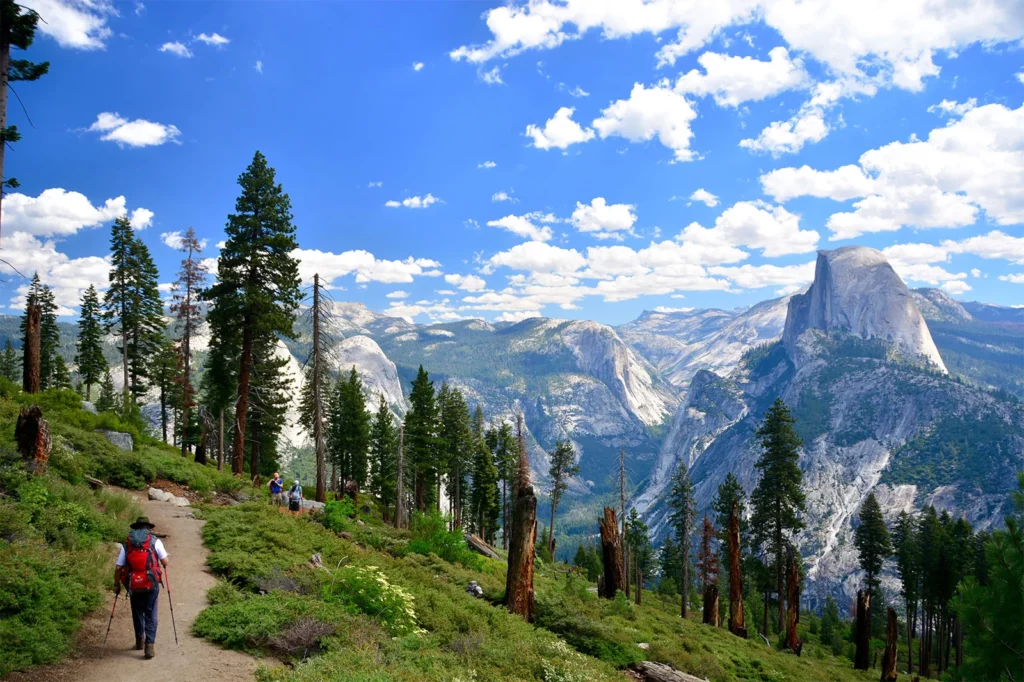
Yosemite National Park in California is considered one of the most iconic camping destinations worldwide. Surrounded by granite cliffs like El Capitan and Half Dome, the park offers breathtaking vistas, cascading waterfalls, and diverse wildlife. The camping experience here is immersive, with opportunities to hike scenic trails such as the Mist Trail or venture into the high country.
One reason Yosemite is a top camping spot is the variety of experiences it offers. Families can enjoy well-equipped campgrounds in Yosemite Valley, while more adventurous travelers may prefer backcountry camping for a rugged escape. Stargazing here is exceptional, as light pollution is minimal once you move away from the valley floor.
2. Banff National Park, Canada
Banff National Park in Alberta, Canada, is another world-renowned camping destination. Known for its turquoise lakes like Lake Louise and Moraine Lake, Banff offers postcard-worthy views at every turn. The crisp mountain air, expansive forests, and abundant wildlife make it an unforgettable experience.
Camping in Banff is about immersing yourself in Canada’s natural wilderness. The campgrounds are well-maintained, yet the sheer scale of the Rocky Mountains ensures a true sense of adventure. Activities such as canoeing, wildlife spotting, and long hikes make Banff ideal for explorers who crave variety during their camping trips.
3. Lake District, England
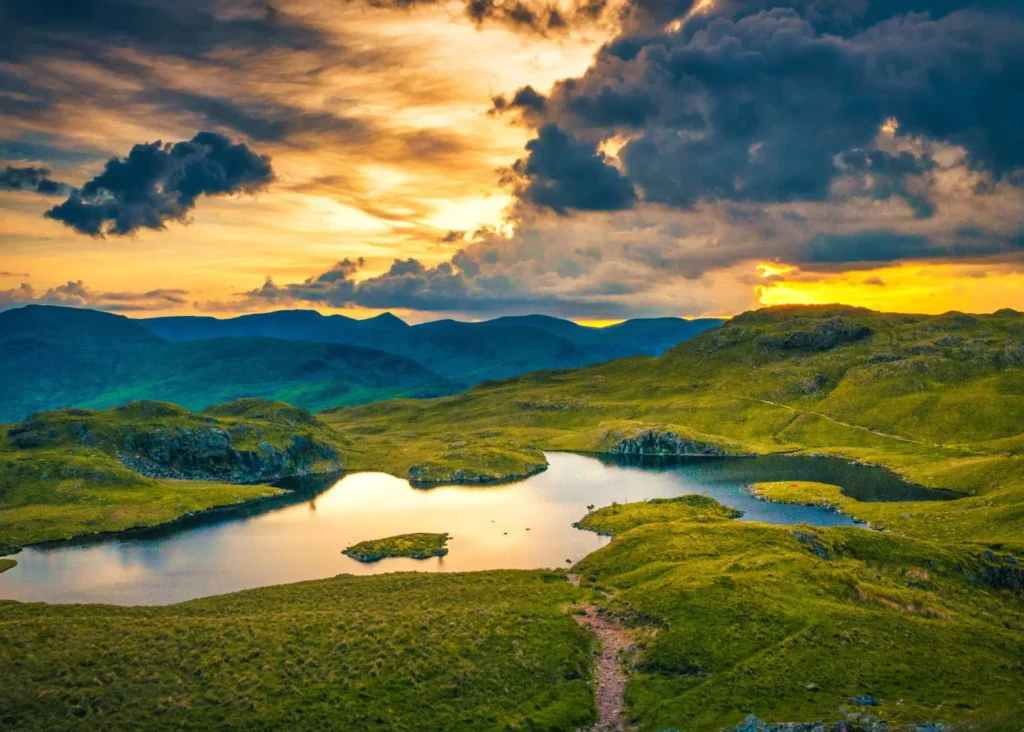
For those who prefer serene landscapes over rugged terrain, the Lake District in England is a perfect option. Rolling green hills, calm lakes, and picturesque villages make it an ideal spot for camping that blends nature with cultural charm.
The Lake District is particularly popular among hikers and literature enthusiasts, as it inspired poets like William Wordsworth. Campers here can enjoy gentle trails, peaceful lakeside camping, and cozy evenings with views that feel timeless. Unlike remote wilderness destinations, the Lake District combines accessibility with beauty, making it suitable for families and solo travelers alike.
4. Fiordland National Park, New Zealand
New Zealand is globally known for its outdoor adventures, and Fiordland National Park is among its crown jewels. With dramatic fjords, rainforests, and towering peaks, camping here is like stepping into a fantasy world. Milford Sound, in particular, is often described as one of the most beautiful places on Earth.
Fiordland is best for adventurous campers who want to combine hiking, kayaking, and boat tours with their camping experience. The remoteness of this location ensures solitude, and the untouched landscapes make it a true paradise for outdoor enthusiasts seeking raw beauty.
5. Kruger National Park, South Africa
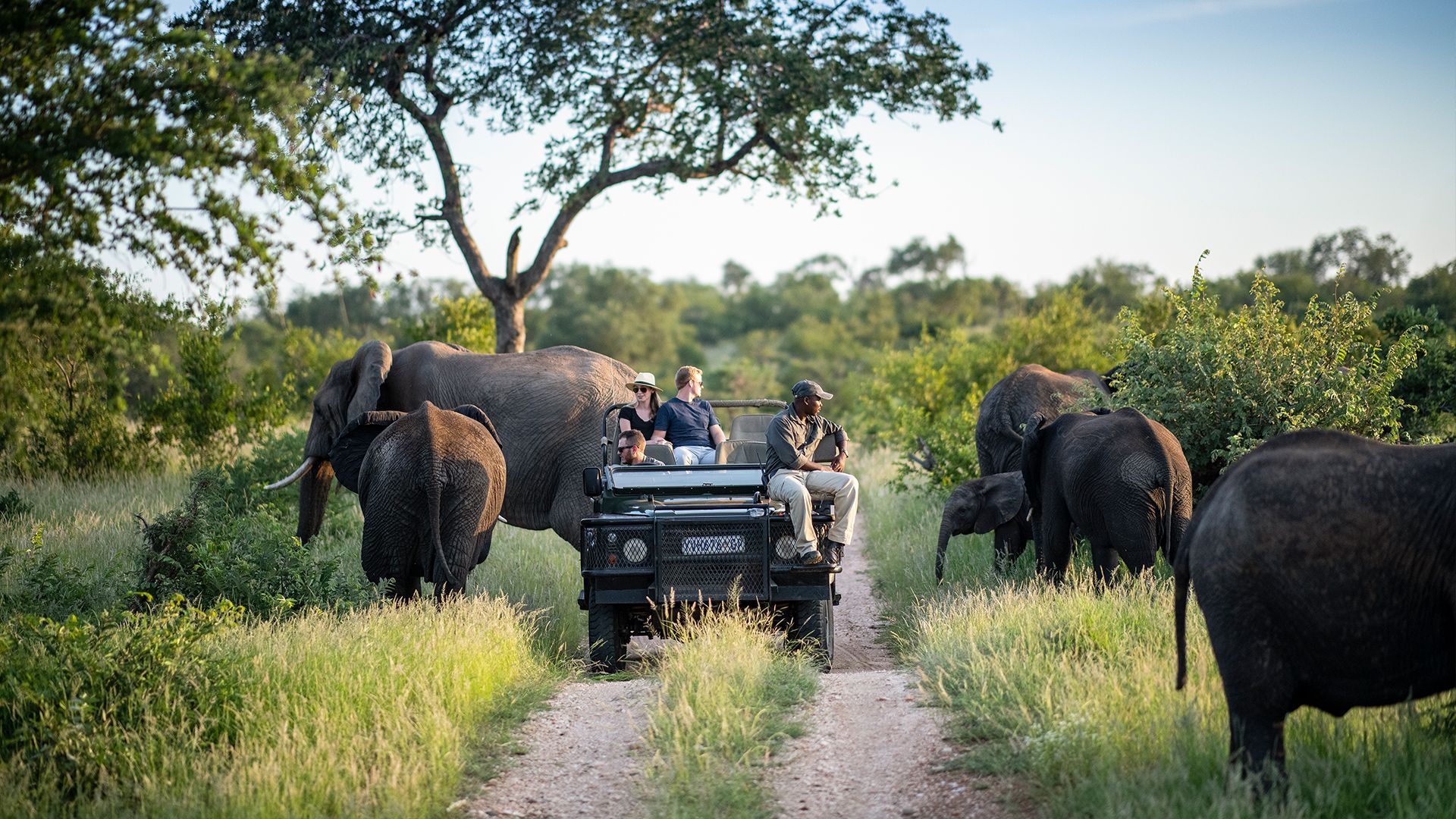
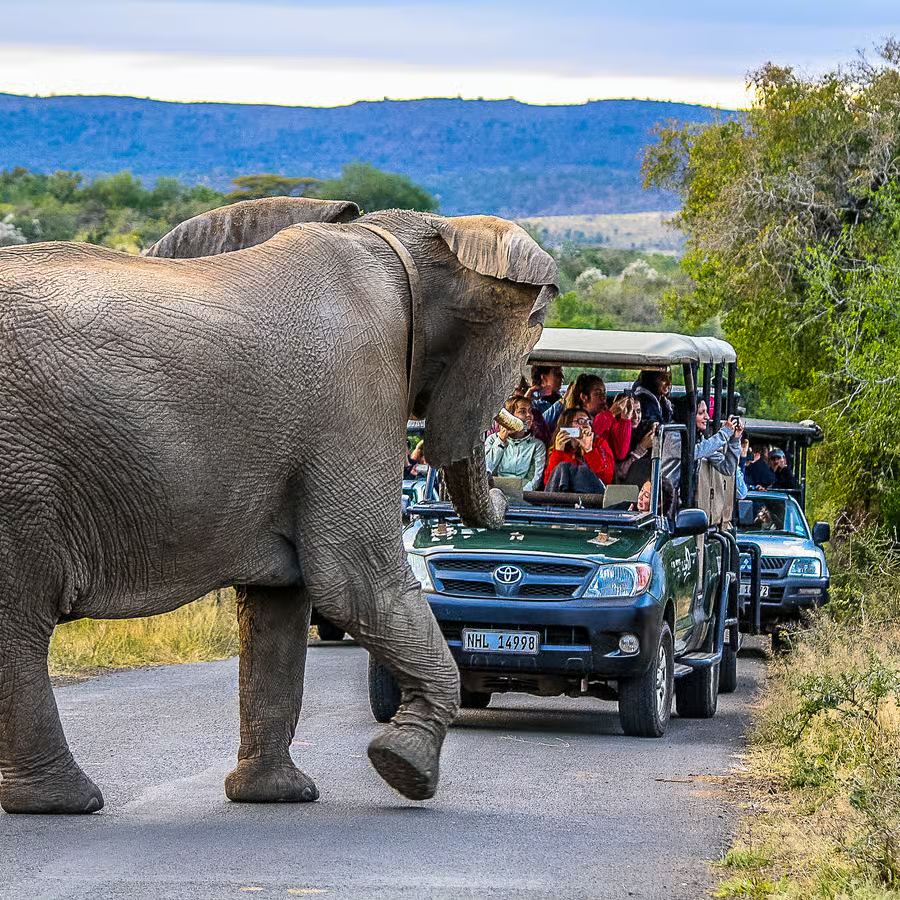
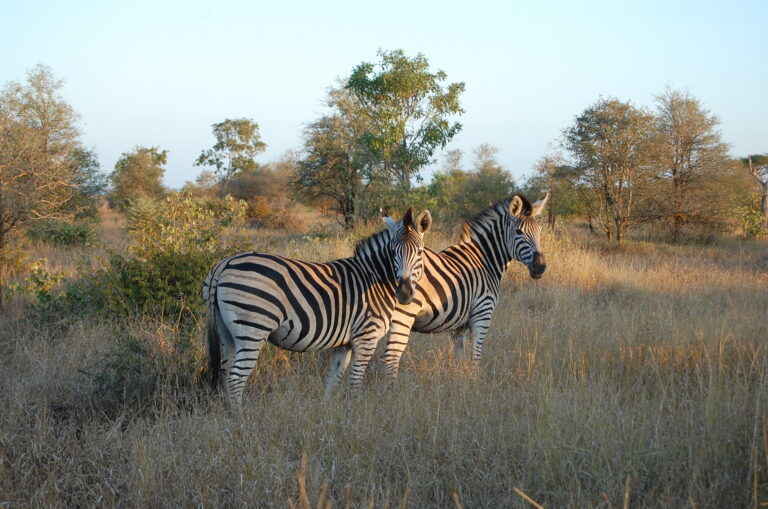
For campers who want a unique twist, Kruger National Park in South Africa offers camping with a safari experience. Imagine setting up camp and hearing the distant calls of lions or spotting elephants nearby. Kruger provides one of the most distinctive camping adventures in the world.
The blend of wilderness camping with guided safaris creates an environment where adventure meets education. Campers gain insights into African wildlife while enjoying the raw thrill of being in proximity to nature’s most powerful creatures.
How Technology Enhances the Best Camping Spots
While camping is about disconnecting, modern technology has made it safer, more accessible, and more enjoyable. Some key benefits include:
-
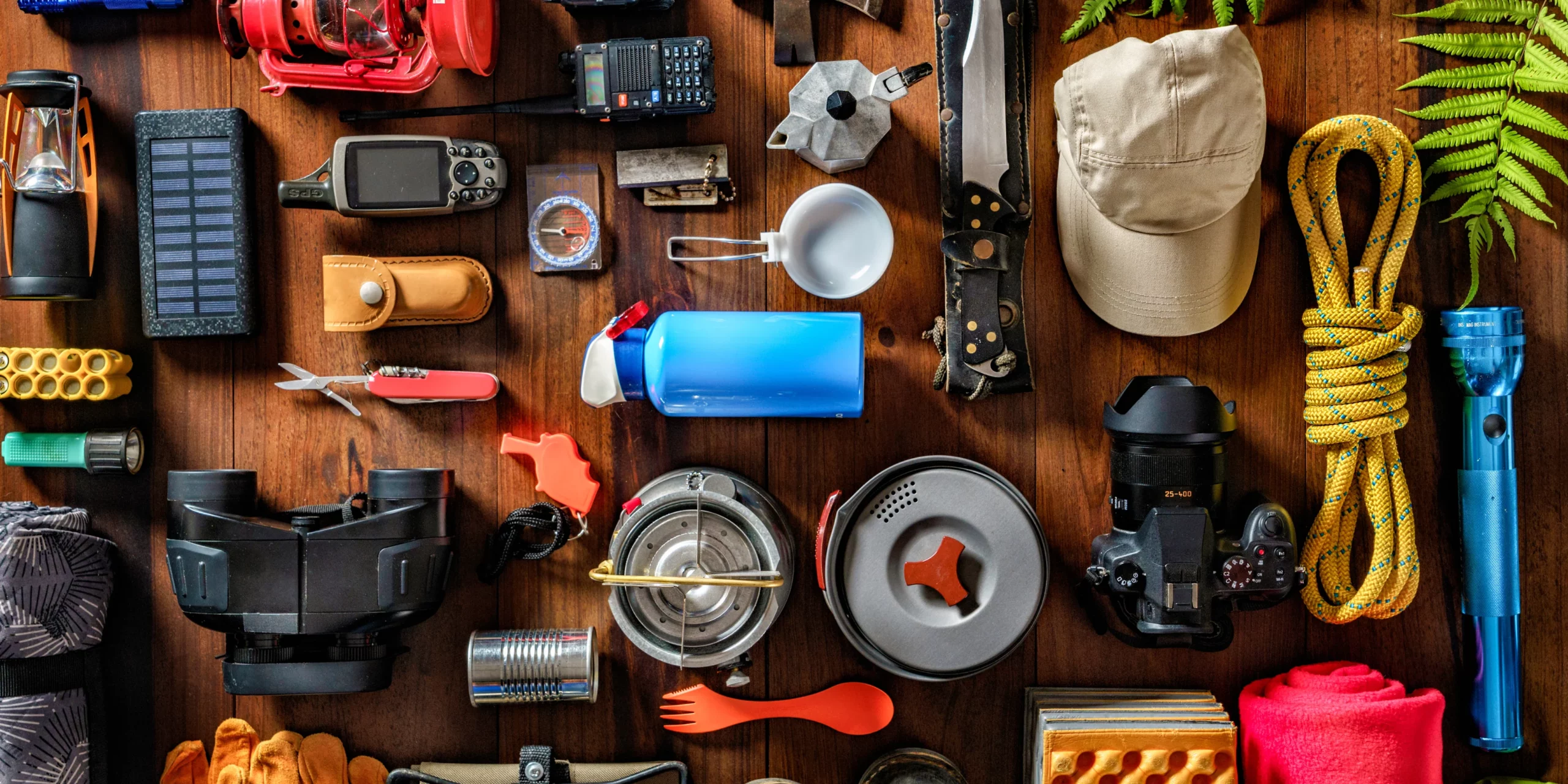
Navigation Tools: GPS apps and offline maps ensure campers don’t lose their way.
-
Portable Power Banks: High-capacity power banks allow charging of essential devices without relying on electricity.
-
Smart Camping Gear: From solar lanterns to portable water filters, innovations help campers stay safe and comfortable.
-
Weather Forecasting Apps: Real-time updates prepare campers for sudden weather changes.
Technology does not take away from the raw camping experience—it enhances it by making adventures safer and more sustainable.
Real-World Examples of Useful Camping Products
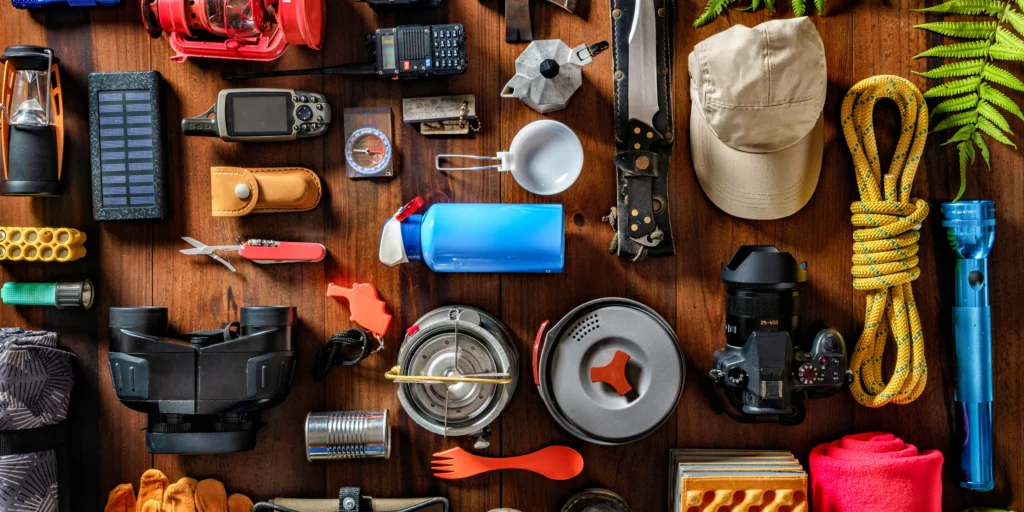
Portable Solar Charger
Portable solar chargers are a game-changer for campers who want to stay powered in remote areas. They allow you to recharge phones, GPS devices, and even small camping lights. Unlike traditional batteries, they harness renewable energy, which is especially useful for extended trips.
This technology is particularly relevant in spots like Yosemite or Fiordland, where access to electricity is limited but navigation and safety rely on charged devices.
Lightweight Camping Stove
A lightweight camping stove is essential for preparing hot meals while camping. These stoves are compact, easy to carry, and efficient, allowing campers to cook safely without relying on open fires, which can be restricted in many locations.
Such stoves make camping accessible in places like Banff or the Lake District, where unpredictable weather can make a warm meal a necessity.
Smart Tent with Climate Control
Smart tents are an emerging trend in camping technology. Equipped with climate control, automatic setup, and even solar-powered ventilation, these tents redefine comfort in the wilderness.
They are particularly useful in diverse environments, from the hot savannahs of Kruger National Park to the cool peaks of the Rockies in Banff. These innovations make camping more inclusive, allowing even beginners to feel at ease outdoors.
Benefits of Experiencing the Best Camping Spots
Camping offers a range of personal and practical benefits. Among the most notable are:
-
Connection with Nature: Immersing yourself in untouched landscapes reduces stress and promotes mental well-being.
-
Adventure and Exploration: Camping allows access to activities like hiking, fishing, kayaking, and wildlife observation.
-
Bonding Opportunities: Whether with family, friends, or solo travel, camping fosters deeper connections.
-
Skill Development: From setting up a tent to navigating trails, camping builds resilience and self-sufficiency.
The best camping spots magnify these benefits, creating experiences that blend relaxation, adventure, and learning.
Practical Use Cases of Camping in Real Life
-
Stress Relief: Urban professionals often escape to places like the Lake District or Yosemite for a digital detox.
-
Adventure Travel: Thrill-seekers look to Fiordland or Kruger for unique challenges and encounters with wildlife.
-
Family Bonding: Families find Banff or the Lake District ideal for a safe yet adventurous bonding time.
-
Education and Awareness: Camping in Kruger or similar reserves teaches campers about ecosystems and wildlife preservation.
Each use case highlights how camping is more than just a leisure activity—it is a meaningful practice that solves modern challenges like stress, disconnection, and lack of physical activity.
Frequently Asked Questions
Q1. What is the best time of year to go camping in these spots?
It depends on the location. Yosemite and Banff are best in late spring through early fall. The Lake District is beautiful in summer, while Fiordland is stunning year-round, though rain is frequent. Kruger is ideal during the dry winter months (May–September) for better wildlife viewing.
Q2. How can beginners choose the right camping spot?
Beginners should start with accessible locations that have basic facilities, like Yosemite Valley or Lake District campgrounds. Once confident, they can progress to more remote spots like Fiordland or Kruger.
Q3. Do I need advanced gear to camp at these destinations?
Not necessarily. Standard camping gear is often sufficient for most destinations, but specialized equipment such as lightweight stoves, water filters, or solar chargers can enhance safety and comfort, especially in remote or extreme environments.