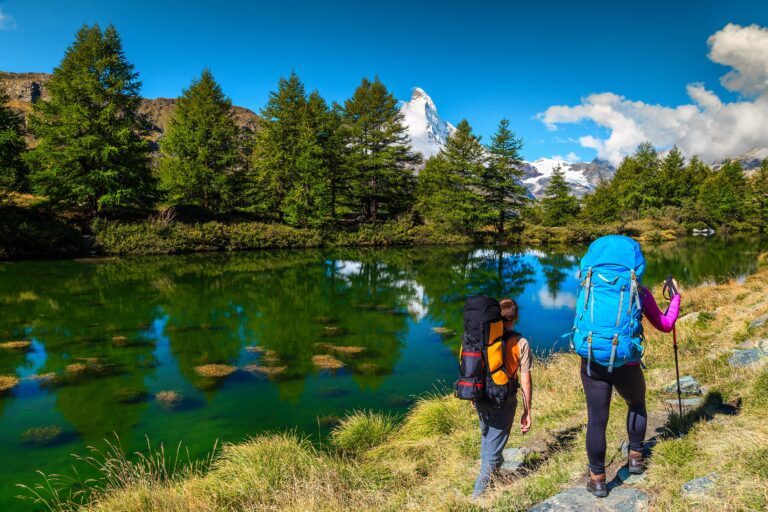
Best Hiking Trails Around the World A Complete Guide to Outdoor Exploration
Hiking is one of the most rewarding ways to connect with nature, challenge yourself physically, and explore some of the most breathtaking landscapes in the world. The best hiking trails aren’t just about reaching a destination-they are about the journey, the scenery, and the personal growth that comes with every step.
From serene forest paths to rugged mountain terrains, hiking trails vary in length, difficulty, and scenery, offering something unique for every type of adventurer. Choosing the best hiking trail depends on your preferences, whether you’re looking for solitude, cultural significance, or iconic natural wonders.
Why Hiking Trails Are Important for Adventure and Wellness
Hiking trails are more than simple walking paths-they are carefully curated routes that provide access to natural wonders without damaging the ecosystem. They help hikers enjoy stunning landscapes safely while preserving the environment for future generations.
On a personal level, hiking trails improve physical health by encouraging cardiovascular exercise and building endurance. They also support mental wellness by reducing stress, fostering mindfulness, and allowing hikers to disconnect from digital distractions. A trail becomes more than a route; it becomes a space for healing, adventure, and discovery.
Famous Real-World Examples of the Best Hiking Trails
1. Appalachian Trail – United States
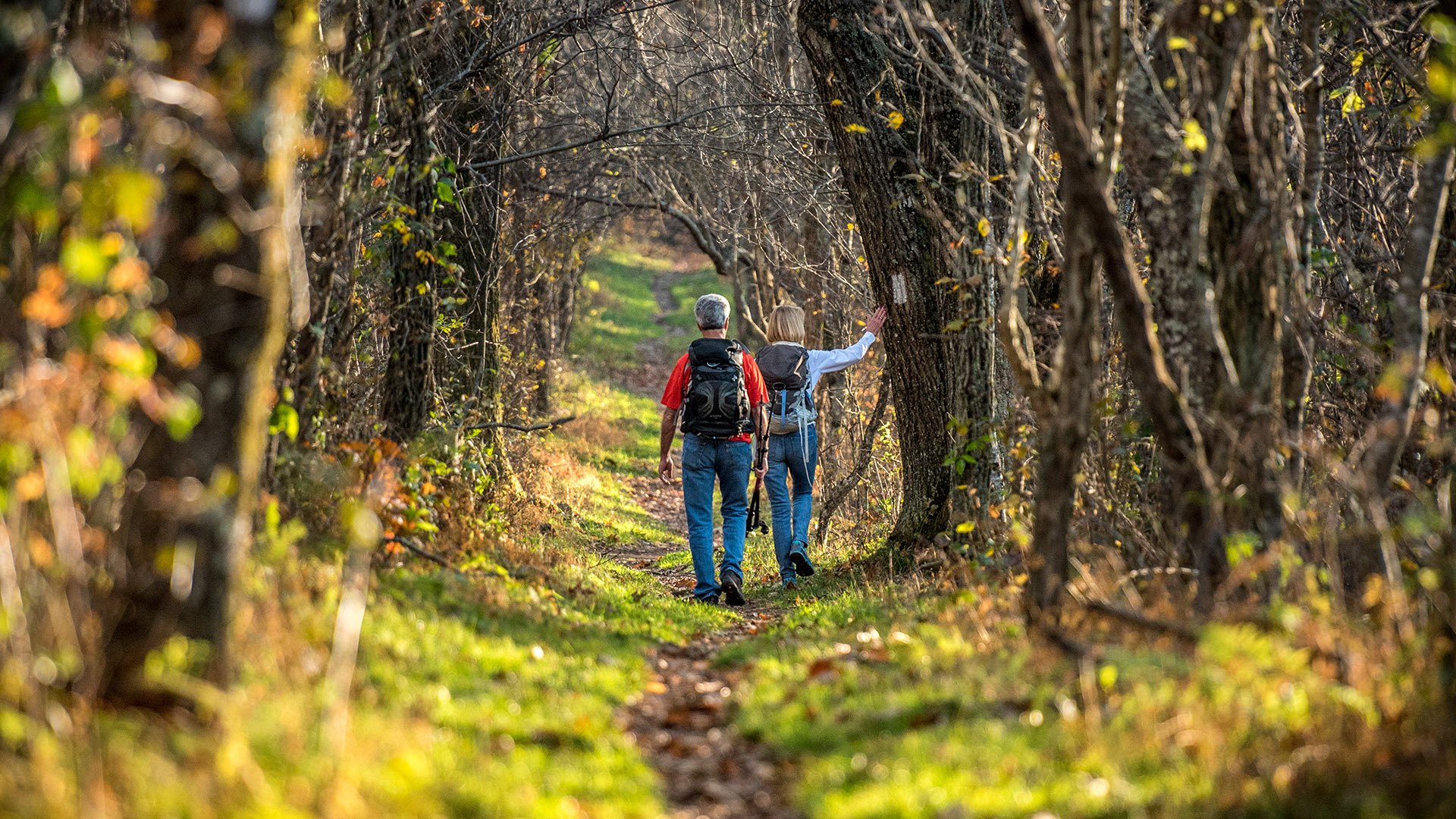
The Appalachian Trail is one of the longest and most famous hiking routes in the world, stretching over 2,190 miles from Georgia to Maine. This trail attracts thousands of hikers every year, many of whom attempt to “thru-hike” the entire path, which can take several months.
What makes the Appalachian Trail special is its diversity in landscapes. Hikers will experience rolling hills, dense forests, wildflower meadows, and rocky ridges. Along the way, small towns and cultural landmarks enrich the journey, making it not just a hike but a life-changing adventure.
2. Inca Trail – Peru
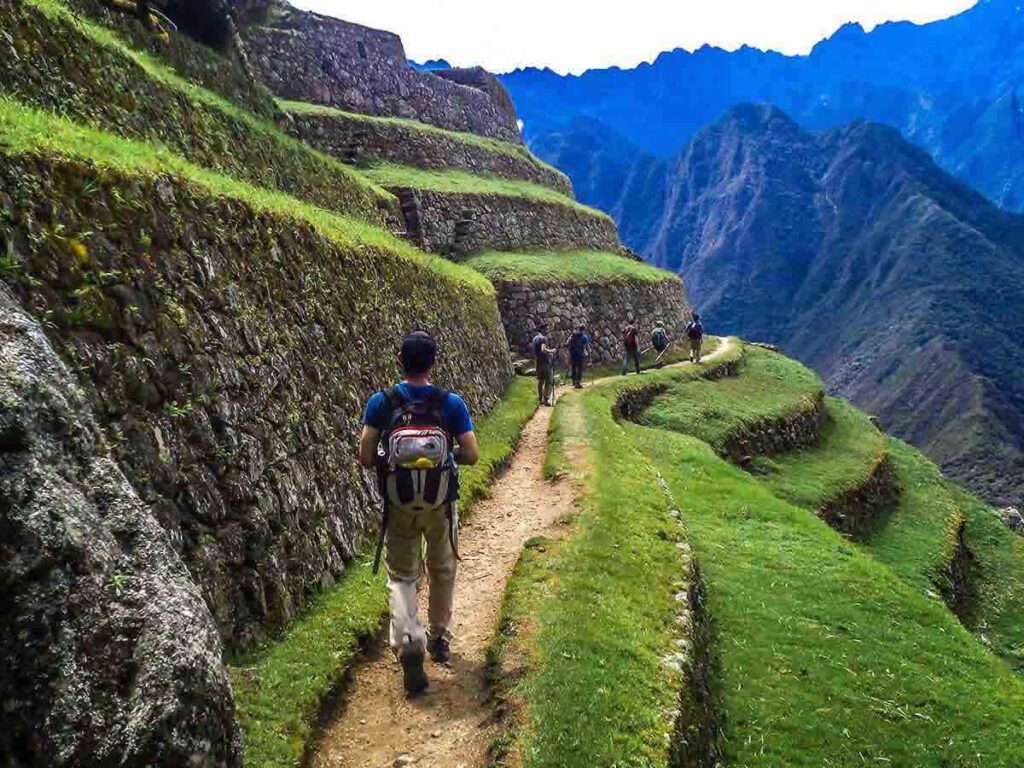
The Inca Trail is a legendary route that combines natural beauty with cultural heritage. Stretching about 26 miles, this trail leads adventurers through ancient ruins, cloud forests, and stunning Andean mountain scenery before culminating at the breathtaking Machu Picchu.
Hiking the Inca Trail is more than just a physical challenge; it’s a historical journey through Incan civilization. Every step takes hikers closer to understanding the culture, spirituality, and ingenuity of the Inca people. For many, it is a once-in-a-lifetime experience blending physical adventure with cultural immersion.
3. Tour du Mont Blanc – Europe

The Tour du Mont Blanc is a multi-country hiking route that passes through France, Italy, and Switzerland. Spanning roughly 110 miles, it circles the Mont Blanc massif, offering hikers panoramic views of alpine peaks, glacial valleys, and charming mountain villages.
This trail is particularly appealing because it combines natural beauty with European hospitality. Hikers can enjoy rustic lodges, local cuisine, and breathtaking sunrise views over snow-capped mountains. It’s a perfect choice for adventurers seeking both physical challenge and cultural diversity.
4. Milford Track – New Zealand
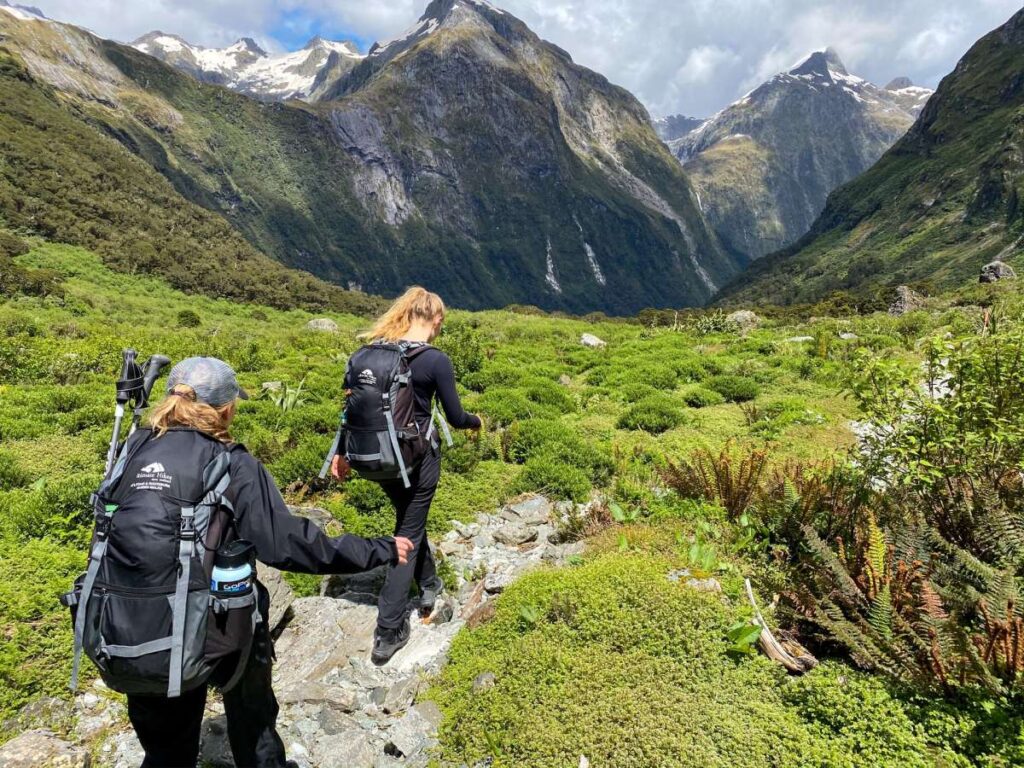
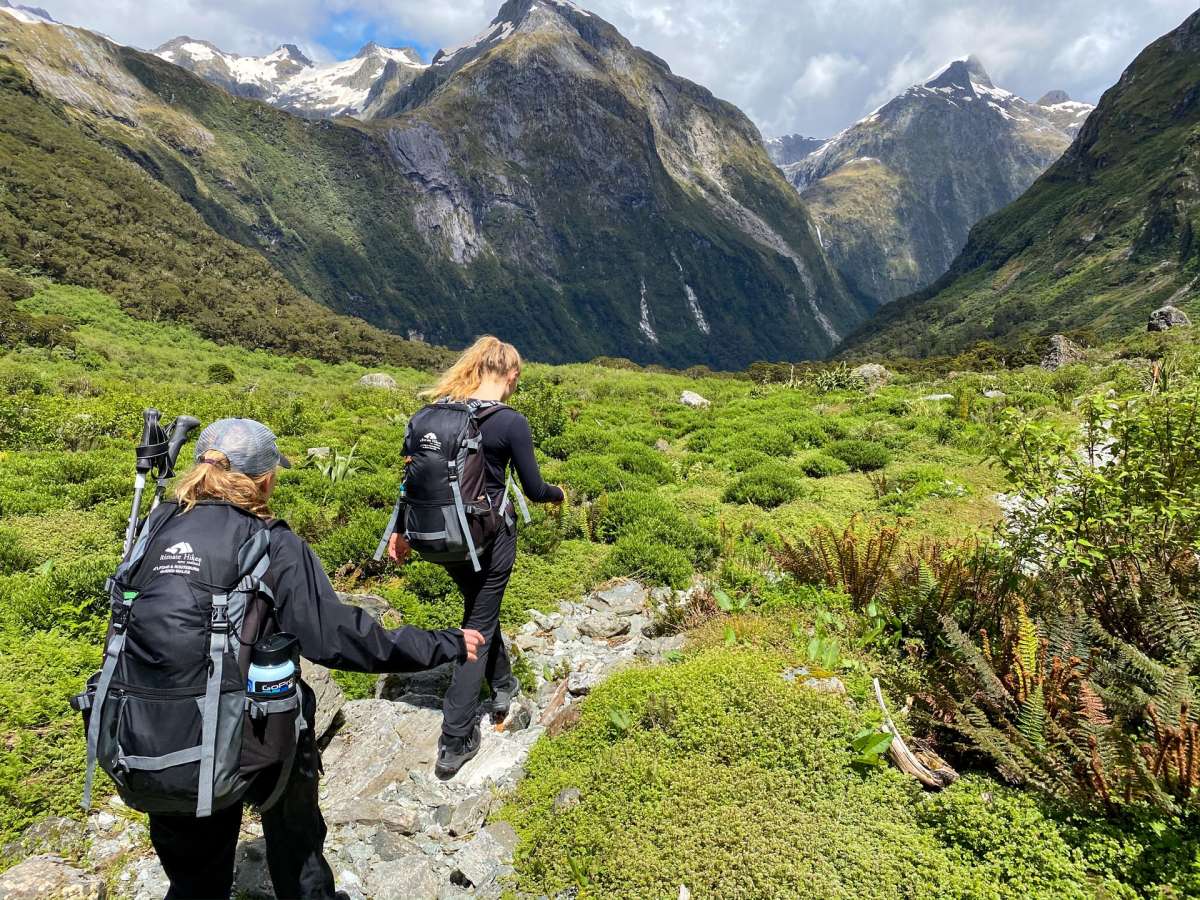
Known as the “finest walk in the world,” the Milford Track in New Zealand spans 33 miles through Fiordland National Park. This trail is famous for its dramatic landscapes, including towering peaks, rainforests, and cascading waterfalls.
The Milford Track highlights New Zealand’s untouched wilderness and provides a deeply immersive experience. It is carefully managed with limited permits, ensuring the preservation of its delicate ecosystem while providing hikers with a peaceful and pristine environment.
Benefits of Exploring the Best Hiking Trails with Modern Technology
Modern hikers have access to tools that make exploring these trails safer and more rewarding. GPS apps and digital maps help hikers navigate difficult routes, reducing the risk of getting lost. Fitness trackers measure heart rate, distance, and elevation, giving hikers a way to track progress and set personal goals.
Technology also enhances safety. Smartwatches with emergency alert features and satellite messengers allow hikers to communicate even in remote areas without cell coverage. For beginners, apps can suggest trails based on fitness level, difficulty, and available time, making hiking more accessible to everyone.
By blending timeless adventure with modern technology, hikers can experience the best of both worlds: the raw beauty of nature with the reassurance of digital tools.
Practical Use Cases of Hiking Trails in Everyday Life

Physical Fitness and Health
For individuals looking to improve health, hiking trails serve as a natural gym. Unlike repetitive indoor workouts, hiking offers varied terrain that strengthens muscles, improves balance, and enhances cardiovascular endurance. This makes hiking trails a sustainable and enjoyable way to stay active.
Stress Relief and Mental Wellness
Hiking trails provide an escape from urban life and digital overload. Studies show that spending time in nature lowers cortisol levels, improves mood, and boosts focus. A simple walk through a scenic trail can refresh the mind and reduce anxiety, making hiking a valuable mental wellness tool.
Social and Community Connections
Trails often become gathering spaces for families, friends, or local hiking groups. Shared outdoor experiences foster stronger relationships and create memories that last a lifetime. Whether it’s a day hike with loved ones or joining a guided trek, trails bring people together in meaningful ways.
Cultural and Environmental Education
Some trails, like the Inca Trail or those in national parks, also serve as educational experiences. Hikers learn about ecosystems, conservation, and cultural heritage, gaining awareness and appreciation for the natural world. This makes trails important not just for recreation but also for education.
Frequently Asked Questions
Q1. What makes a hiking trail one of the “best”?
A trail is considered among the best when it combines scenic beauty, accessibility, unique experiences, and cultural or environmental significance. Trails like the Appalachian or Inca Trail stand out because they offer more than just physical exercise-they provide memorable journeys.
Q2. Do I need special equipment to hike famous trails?
Yes, but it depends on the trail. At minimum, hikers should bring proper footwear, hydration, weather-appropriate clothing, and navigation tools. For longer or more remote trails, additional gear such as trekking poles, tents, and safety equipment may be required.
Q3. How do I choose the right hiking trail for my experience level?
Beginners should start with shorter, well-marked trails that match their fitness level. Researching trail difficulty, elevation gain, and estimated time can help hikers choose wisely. More advanced hikers may seek longer or high-altitude trails for greater challenges.