Best Museums to Visit in the World A Journey Through History, Art, and Culture
Best Museums to Visit are more than just buildings filled with artifacts-they are living archives of human achievement, history, and imagination. Whether you are passionate about art, fascinated by history, or curious about science, the world’s best museums offer insights into civilizations, creativity, and knowledge that have shaped humanity.
This guide explores some of the most iconic museums globally, highlighting their collections, unique features, and the experiences that make them unforgettable destinations.
Why Museums Matter in Today’s World
Museums are not only educational spaces but also cultural connectors. They bridge the past with the present and inspire future generations by preserving heritage, creativity, and innovation.
Preserving History and Culture
Museums serve as guardians of history. They protect ancient artifacts, artworks, and cultural items that might otherwise be lost. For example, many artifacts from ancient civilizations like Mesopotamia or Egypt are preserved in world-class museums, allowing visitors to explore humanity’s shared past.
Using Technology to Enhance the Experience
Modern museums have embraced technology to make learning immersive. Interactive displays, augmented reality (AR), and virtual tours now bring exhibits to life in ways that traditional viewing cannot. Technology helps museums reach global audiences, making cultural treasures accessible even for those who cannot physically visit.
Best Museums to Visit in the World
1. The Louvre Museum – Paris, France

The Louvre is arguably the most famous museum in the world, attracting millions of visitors annually. Located in Paris, it houses one of the most extensive collections of art and artifacts spanning multiple eras and civilizations.
Highlights of the Collection
The museum is home to Leonardo da Vinci’s Mona Lisa, a painting that continues to intrigue with its enigmatic smile. Best Museums to Visit. Beyond this masterpiece, the Louvre displays treasures such as the Venus de Milo, the Winged Victory of Samothrace, and numerous works from Ancient Egypt, Greece, and the Islamic world.
Visitor Experience and Modern Integration
The Louvre has invested in technology to improve visitor engagement. Mobile apps provide guided tours, while digital kiosks help visitors navigate the vast collection. Its online gallery allows millions to explore artworks remotely, proving how technology extends the reach of culture.
2. The British Museum – London, United Kingdom
The British Museum stands as one of the greatest institutions dedicated to human history and culture. Founded in 1753, it houses more than eight million works covering over two million years of human civilization.
Signature Exhibits
Among the most famous pieces are the Rosetta Stone, which unlocked the secrets of ancient Egyptian writing, and the Parthenon Marbles, which reflect the grandeur of Ancient Greece. The museum also has rich collections from Asia, Africa, and the Americas.
Accessibility and Educational Role
The British Museum uses digital archives to allow global access to its collections. Its virtual exhibitions and podcasts make learning possible for those unable to visit in person. For students and researchers, the museum functions as a treasure trove of academic resources.
3. The Metropolitan Museum of Art – New York City, USA
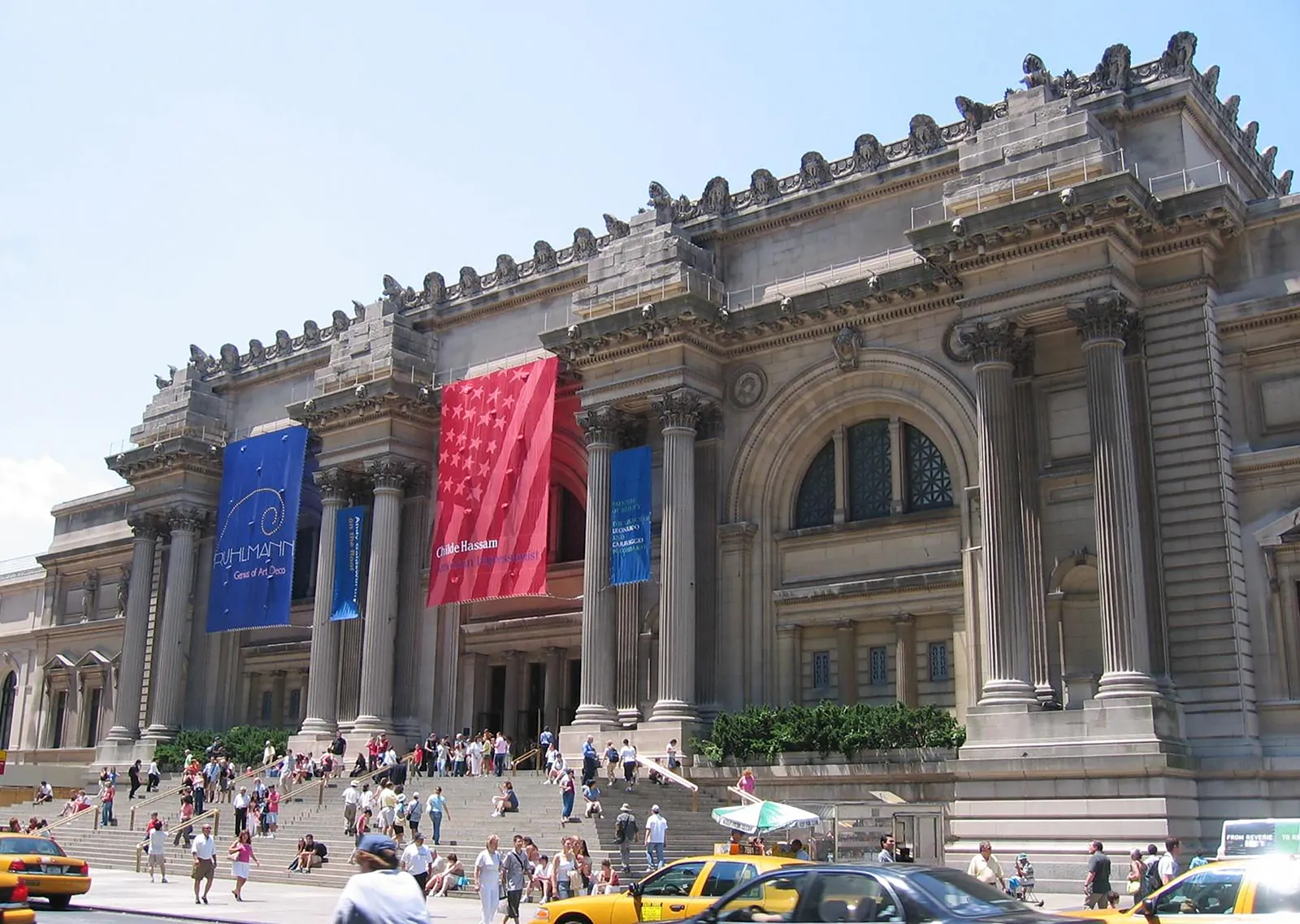
The Metropolitan Museum of Art, known as The Met, is one of the largest and most comprehensive art museums in the world. Established in 1870, it provides a sweeping journey through 5,000 years of history.
Must-See Collections
From European paintings by masters such as Rembrandt and Van Gogh to ancient Egyptian artifacts, The Met is a hub of global art. It also showcases American decorative arts, musical instruments, and fashion exhibits.
Innovation in Visitor Engagement
The Met has adopted cutting-edge digital platforms, offering virtual tours, online exhibitions, and educational videos. This approach ensures that art and history remain accessible, regardless of geography. Its annual Met Gala further connects modern fashion and art, showcasing how museums evolve with contemporary culture.
4. The Smithsonian Institution – Washington, D.C., USA
The Smithsonian Institution is not just one museum but a collection of 21 museums, galleries, and the National Zoo. It is the largest museum complex in the world, offering free admission to millions of visitors annually.
Treasures of the Smithsonian
Highlights include the Hope Diamond in the National Museum of Natural History and the Wright brothers’ plane in the National Air and Space Museum. These artifacts embody both natural wonders and technological achievements.
A Global Learning Resource
The Smithsonian’s digital initiatives are vast, with free online resources, virtual tours, and 3D digital scanning projects. Its role as an educational resource cannot be overstated, making it one of the most important cultural institutions in the modern world.
5. The Vatican Museums – Vatican City
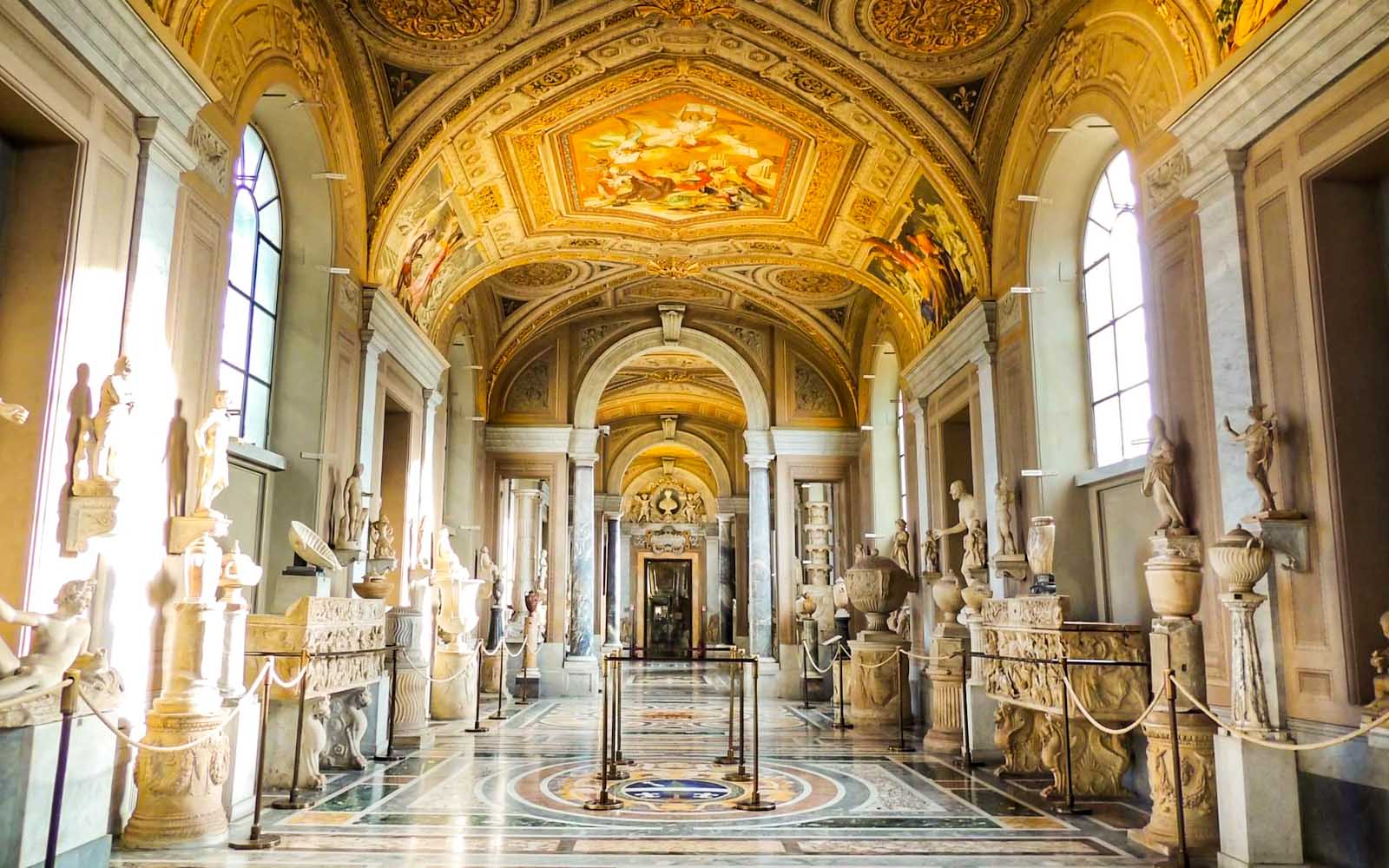
Located within Vatican City, the Vatican Museums are home to one of the richest art collections in the world. Founded by Pope Julius II in the 16th century, the museums showcase works accumulated by the Catholic Church over centuries.
Artistic Highlights
The Vatican Museums’ most iconic attraction is the Sistine Chapel, with Michelangelo’s breathtaking ceiling and The Last Judgment. Best Museums to Visit. The Raphael Rooms, featuring the School of Athens, are also highlights of Renaissance art.
Cultural and Spiritual Significance
These museums are not only artistic repositories but also spiritual landmarks. Pilgrims and art lovers alike find inspiration within the halls, where faith and creativity converge. Technology has enabled millions to view the Sistine Chapel virtually, ensuring broader access to its masterpieces.
Benefits of Visiting the Best Museums
Expanding Knowledge and Understanding
Visiting museums deepens our understanding of history, art, and culture. Unlike reading from a book or watching a documentary, seeing artifacts firsthand creates a tangible connection to the past.
Inspiring Creativity and Innovation
Museums often serve as sources of inspiration. Best Museums to Visit. Artists, students, and professionals can gain new perspectives by observing human creativity across centuries. For example, fashion designers often draw ideas from historical garments displayed in museums.
Practical Real-Life Value
Museums play an essential role in education and tourism. They encourage cultural appreciation, support heritage preservation, and generate local economic growth. For families, they provide meaningful educational outings that enrich learning beyond classrooms.
Use Cases: Why Museums Remain Relevant

Supporting Education and Research
Students and researchers rely on museums as authentic sources of knowledge. For example, archaeology students studying ancient Mesopotamia benefit greatly from seeing original artifacts preserved in major museums.
Tourism and Cultural Diplomacy
Museums often define the identity of a city or nation. Tourists visiting Paris, London, or New York often include museum visits as essential parts of their journey. This not only boosts tourism but also fosters cultural understanding between nations.
Preserving Collective Memory
Museums safeguard humanity’s shared memory. Without them, invaluable artifacts could be lost to time or conflict. They act as time capsules, ensuring that future generations understand the legacy of past civilizations.
Frequently Asked Questions
Q1. What is the most visited museum in the world?
The Louvre Museum in Paris consistently ranks as the most visited museum, drawing millions of visitors annually, largely due to its famous masterpieces such as the Mona Lisa.
Q2. Why are museums important for students?
Museums provide hands-on learning experiences that complement classroom education. By engaging with real artifacts and artworks, students can better understand history, culture, and science in ways textbooks cannot replicate.
Q3. How has technology changed the way people experience museums?
Technology has revolutionized museums by enabling virtual tours, interactive exhibits, and global online access to collections. This makes cultural learning more inclusive and accessible to audiences worldwide.