Best Shopping Districts Around the World A Complete Guide to Iconic Retail Destinations
Shopping is more than just a way to purchase goods-it’s a cultural experience. The world’s best shopping districts are not only places to find luxury brands, designer collections, and local crafts but also vibrant destinations that tell a story about history, architecture, and urban culture. From Europe’s fashion capitals to Asia’s bustling markets, each district has a unique charm that attracts millions of visitors every year.
In this guide, we’ll explore what makes these shopping districts stand out, examine real-world examples, discuss the benefits of technology in enhancing the shopping experience, and provide practical insights into why these districts remain so influential in global retail culture.
What Defines the Best Shopping Districts
Shopping districts are not just rows of stores-they are cultural hubs that bring together fashion, architecture, entertainment, and lifestyle. They typically feature:
-
A mix of high-end luxury boutiques and accessible retail brands
-
Cafés, restaurants, and cultural attractions to enhance the experience
-
Historical significance or architectural beauty that makes them unique
-
Accessibility and recognition as global or local landmarks
These districts are designed to be immersive experiences where shopping is seamlessly integrated with tourism and urban exploration.
Iconic Examples of the Best Shopping Districts
1. Champs-Élysées, Paris, France
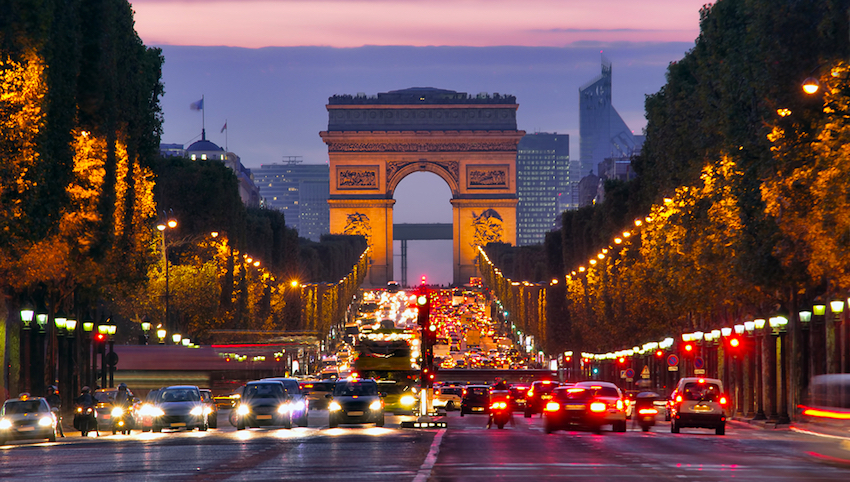
The Champs-Élysées is one of the most recognized shopping districts in the world. Stretching from the Arc de Triomphe to the Place de la Concorde, this avenue is more than a shopping street—it is a symbol of Parisian elegance. Luxury brands like Louis Vuitton, Cartier, and Dior have flagship stores here, alongside international retailers that attract millions of tourists.
What makes Champs-Élysées special is not just its retail offerings, but its cultural significance. The avenue is lined with cafés, theaters, and historic buildings, making it an all-in-one experience where shopping merges with leisure and sightseeing.
2. Fifth Avenue, New York City, USA
Fifth Avenue in New York City is synonymous with luxury. Known for its iconic department stores like Saks Fifth Avenue and high-end boutiques such as Gucci, Tiffany & Co., and Apple’s flagship store, this district is a must-visit for both fashion enthusiasts and tech lovers.
The avenue also doubles as a cultural landmark. Tourists often combine shopping with visits to nearby attractions such as Central Park, the New York Public Library, and Rockefeller Center. This blend of retail and culture solidifies Fifth Avenue as one of the best shopping destinations in the world.
3. Ginza, Tokyo, Japan
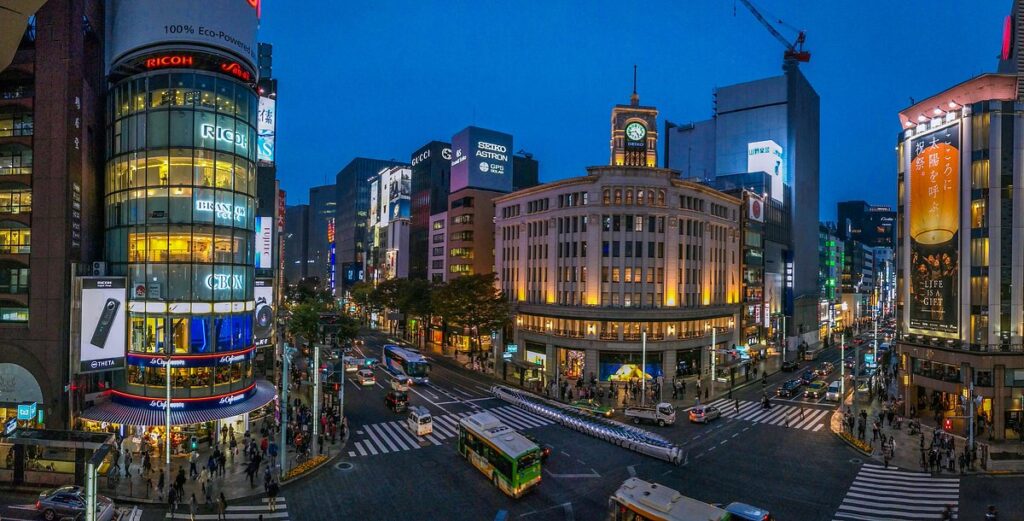
Ginza is Tokyo’s premier shopping district, offering a futuristic yet traditional experience. It’s home to luxury fashion houses like Chanel, Dior, and Hermès, as well as Japanese department stores such as Mitsukoshi and Wako. Ginza is also famous for its cutting-edge electronics shops, making it a hub where fashion meets technology.
What sets Ginza apart is its modern architecture and vibrant street culture. At night, the district lights up with neon signs, creating a striking atmosphere that embodies Tokyo’s dynamic energy. It’s a district where visitors can enjoy both shopping and a glimpse into Japanese urban culture.
4. Bond Street, London, United Kingdom
Bond Street has been at the heart of London’s luxury shopping scene for centuries. This district is a favorite among celebrities and royalty, offering an exclusive range of designer boutiques like Chanel, Burberry, and Jimmy Choo. It is also home to Sotheby’s auction house, making it a destination for art and antique collectors.
Bond Street combines old-world charm with modern sophistication. With its elegant architecture, prestigious history, and selection of fine dining spots, it represents the very best of London’s shopping culture.
5. Orchard Road, Singapore

Orchard Road is Singapore’s most famous shopping boulevard. Spanning over two kilometers, it features an endless lineup of malls, flagship stores, and entertainment complexes. Luxury brands coexist with fast-fashion retailers, offering something for every type of shopper.
What makes Orchard Road truly unique is its integration of modern retail with urban greenery. Wide walkways, futuristic architecture, and nearby hotels make it an all-in-one lifestyle district. It is also a showcase of Singapore’s efficiency, with excellent public transport and accessibility.
Benefits of Shopping Districts in the Modern World
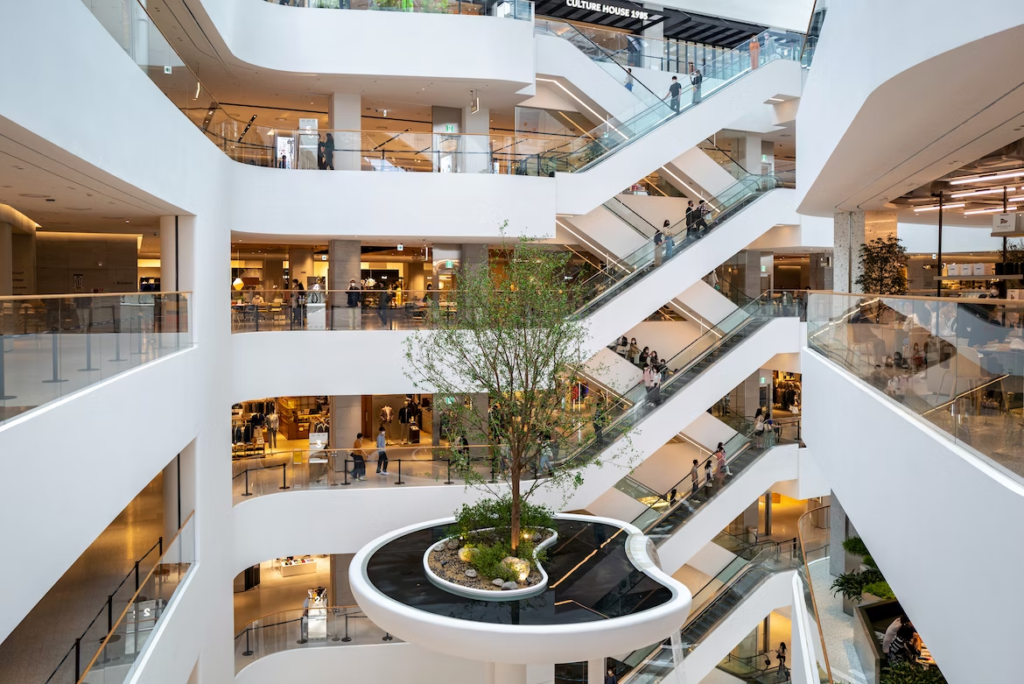
Shopping districts today go beyond retail-they serve as cultural, social, and economic powerhouses.
-
Cultural Significance: These districts preserve heritage while adapting to modern retail needs. Many feature historical landmarks, museums, or architecture that tell a story.
-
Tourism Magnet: They attract international travelers, boosting the local economy and creating global recognition for the city.
-
Lifestyle and Entertainment: Shopping streets are often integrated with restaurants, cinemas, and nightlife, making them complete lifestyle destinations.
-
Innovation and Technology: Modern districts incorporate digital technologies such as augmented reality fitting rooms, contactless payments, and smart mall navigation apps to enhance the shopping experience.
Real-World Use Cases: Why Shopping Districts Matter
-
Boosting Tourism Economies: Cities like Paris and New York use their shopping districts as global attractions, generating billions in tourism revenue annually.
-
Creating Social Hubs: Shopping districts double as meeting places for locals and visitors, providing cultural exchange opportunities.
-
Showcasing Local and Global Brands: Districts like Ginza in Tokyo not only showcase international luxury brands but also highlight Japanese design, technology, and craftsmanship.
-
Encouraging Urban Development: The presence of a vibrant shopping district often drives improvements in infrastructure, transportation, and hospitality.
Frequently Asked Questions
Q1. What makes a shopping district different from a regular shopping mall?
A shopping district is usually an entire neighborhood or street filled with multiple stores, cultural attractions, and dining options. Unlike a mall, it often has historical or cultural significance and is integrated into the city’s identity.
Q2. Are shopping districts only for luxury shoppers?
No. While many famous districts feature luxury brands, they often include more affordable shops, department stores, and local boutiques. For example, Orchard Road in Singapore and Ginza in Tokyo cater to a wide range of budgets.
Q3. Why are shopping districts important for tourism?
They act as cultural and lifestyle hubs, offering visitors a mix of shopping, entertainment, and sightseeing. This makes them essential attractions that boost tourism and local economies.