Ultimate Guide to Bungee Jumping History, Safety, Benefits, and Top Experiences
Bungee jumping is one of the most adrenaline-pumping adventure sports in the world. Whether leaping from towering bridges, cranes, or natural cliffs, participants experience the ultimate free-fall sensation before being pulled back by the elastic cord. This extreme activity has captured the attention of thrill-seekers for decades and remains a top bucket-list experience for many.
In this article, we will explore the origins of bungee jumping, safety considerations, psychological and physical benefits, and highlight some of the world’s most iconic bungee jumping experiences.
The Origins and History of Bungee Jumping
Bungee jumping has roots that stretch back hundreds of years. Its earliest form can be traced to a ritual known as “land diving” on Pentecost Island in Vanuatu. Men would leap from wooden towers with vines tied to their ankles, testing courage and demonstrating strength. This cultural tradition is considered the spiritual ancestor of modern bungee jumping.
Modern bungee jumping, as we know it, began in the late 20th century. The first recorded jump using elastic cords was carried out in 1979 by members of the Oxford University Dangerous Sports Club, leaping from the Clifton Suspension Bridge in England. Since then, the sport has rapidly gained popularity across the globe, evolving into a regulated and professional adventure activity with specialized equipment and strict safety standards.
How Bungee Jumping Works
At its core, bungee jumping relies on the principle of energy absorption and rebound. Participants are securely strapped into a harness connected to a specially designed elastic cord.
When the jumper leaps, the cord stretches as they fall, gradually absorbing the energy of the descent. Once it reaches maximum extension, the cord contracts, propelling the jumper upward and creating a series of rebounds until the energy dissipates.
This interplay of gravity, elasticity, and momentum delivers the exhilarating sensation of free-fall without the danger of hitting the ground.
Safety Measures in Bungee Jumping
Safety is the number one concern in bungee jumping. Over the years, equipment and protocols have been refined to ensure that participants enjoy the experience with minimal risk.
Professional operators use high-strength elastic cords engineered to withstand significant stress and weight ranges. Harnesses are carefully fitted to each participant, and multiple safety checks are conducted before every jump.
Trained staff members follow strict procedures, including double-checking connections, measuring jump height, and calculating cord stretch limits based on individual weight. This level of precision makes modern bungee jumping one of the safest extreme sports when conducted under professional supervision.
Benefits of Bungee Jumping
Bungee jumping offers more than just an adrenaline rush. Many participants report psychological, emotional, and even physical benefits after experiencing this activity.
Overcoming Fear and Building Confidence
Leaping requires courage and determination, making bungee jumping an empowering activity for people facing personal fears. The ability to conquer such an intense challenge often boosts self-confidence and resilience in everyday life.
Stress Relief and Mental Clarity
The intense focus during a jump, followed by the rush of endorphins, can act as a powerful stress reliever. Many jumpers describe the experience as liberating, providing a renewed perspective and mental clarity.
Unique Physical Sensations
The freefall and rebound provide sensations unlike any other physical activity. This unique experience engages both body and mind, offering a memorable adventure that stays with participants for years.
Iconic Bungee Jumping Experiences
1. Macau Tower, China
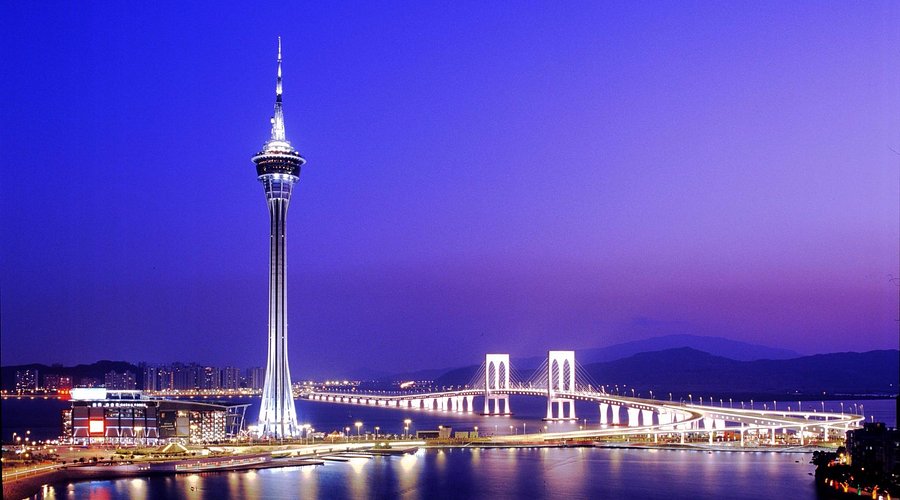
Standing at 233 meters, Macau Tower hosts one of the world’s highest commercial bungee jumps. This location is famous for its panoramic views and the sheer thrill of leaping from a skyscraper. Jumpers experience a freefall lasting several seconds, followed by a breathtaking rebound.
The Macau Tower jump is particularly relevant because it represents the pinnacle of urban bungee experiences. It attracts professional athletes, celebrities, and casual thrill-seekers alike, reinforcing its status as an iconic destination.
2. Bloukrans Bridge, South Africa
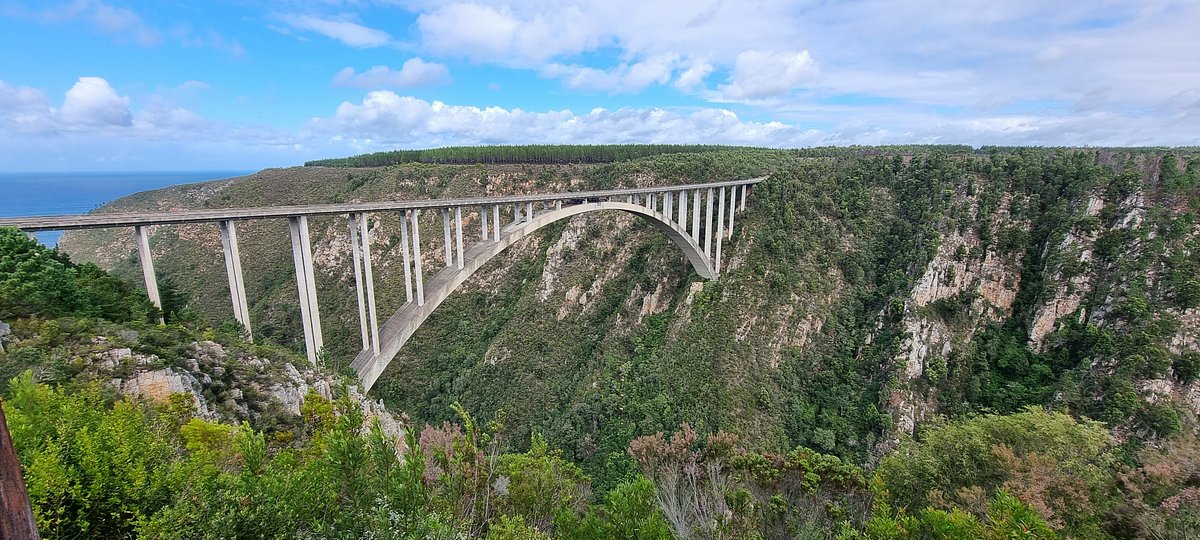
Bloukrans Bridge is home to the highest bridge bungee jump in the world at 216 meters. Nestled in the picturesque Tsitsikamma Valley, it combines natural beauty with the thrill of extreme adventure.
This location is significant not only for its height but also for its engineering. The arch bridge design provides the perfect platform for large-scale bungee operations, making it a favorite for international travelers and adventure enthusiasts.
3. Kawarau Bridge, New Zealand
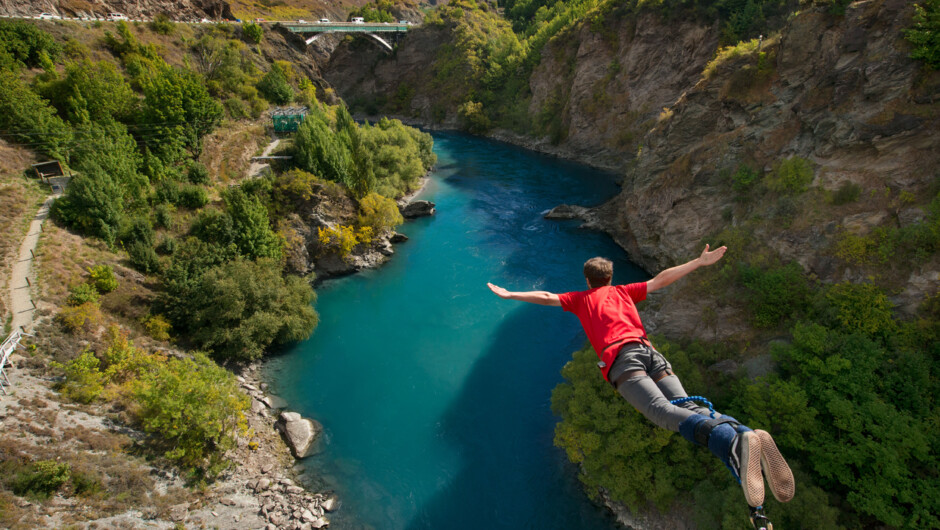
The Kawarau Bridge near Queenstown holds historical importance as the birthplace of commercial bungee jumping. Established in 1988 by AJ Hackett, this site remains a must-visit for enthusiasts who want to experience the roots of the modern sport.
Beyond the historical value, the 43-meter jump offers an approachable experience for beginners, while still delivering the adrenaline rush that defines bungee jumping.
4. Victoria Falls Bridge, Zambia/Zimbabwe
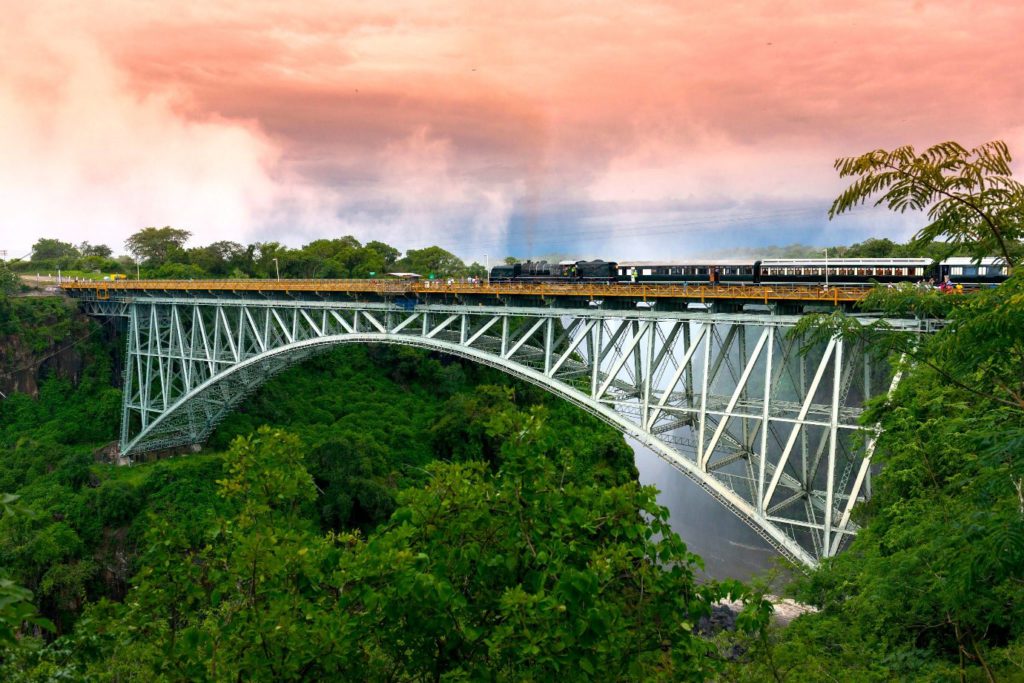
Located between two countries and overlooking one of the natural wonders of the world, the Victoria Falls Bridge offers a 111-meter jump with breathtaking scenery. The roar of the falls and the mist rising from the gorge create an unparalleled atmosphere.
This site is particularly relevant because it merges extreme adventure with natural beauty, attracting eco-tourists as well as adrenaline seekers.
Real-World Use Cases of Bungee Jumping
Adventure Tourism Growth
Bungee jumping has become a cornerstone of global adventure tourism, drawing travelers to destinations they might not otherwise visit. For example, Queenstown in New Zealand owes much of its reputation as the “Adventure Capital of the World” to bungee jumping.
Personal Milestones and Celebrations
Many people choose to celebrate milestones such as birthdays, anniversaries, or overcoming personal challenges. The experience often serves as a symbolic leap into new beginnings, making it more than just a sport-it becomes a life event.
Content Creation and Media
With the rise of social media, it has become a highly shareable experience. The dramatic visuals and reactions captured during jumps make for compelling content, fueling further interest and inspiring others to try it.
Practical Advantages of Experiencing Bungee Jumping
-
Personal Growth: Helps individuals overcome fear and build resilience.
-
Memorable Travel Experience: Adds unique value to trips and holidays.
-
Mental Well-Being: Provides a rush of endorphins, leading to a natural mood boost.
-
Cultural Connection: At locations like Kawarau Bridge or Vanuatu, participants can connect with the roots and traditions behind the activity.
Frequently Asked Questions
Q1. Is bungee jumping safe?
Yes, when conducted by licensed operators, it is considered very safe. Modern equipment, strict safety checks, and trained staff significantly reduce risks.
Q2. What should I wear for bungee jumping?
Comfortable clothing and secure footwear are recommended. Avoid loose accessories like hats or jewelry that could fall during the jump.
Q3. Can anyone go bungee jumping?
Most healthy adults can participate. However, people with heart conditions, high blood pressure, or certain medical issues should consult a doctor beforehand. Age and weight restrictions also apply, depending on the operator.