Cultural City Tours A Complete Guide to Exploring Heritage, Art, and Local Life
Travel is more than visiting landmarks-it is about experiencing the heartbeat of a place. Cultural city tours offer travelers the opportunity to dive deep into the history, traditions, art, and daily life that define urban destinations worldwide. These tours go beyond sightseeing, allowing participants to connect with a city’s identity in ways that inspire learning, appreciation, and lasting memories.
What Makes Cultural City Tours Unique
Cultural city tours are designed to go beyond typical tourism. Instead of simply admiring architecture or taking photographs, they invite travelers to understand the stories behind iconic landmarks and everyday spaces. These tours are often led by local experts who share historical narratives, cultural insights, and hidden gems that are not found in guidebooks.
Unlike standard city excursions, cultural tours emphasize human experiences. This includes interactions with local artisans, visits to traditional markets, participation in festivals, or exploring neighborhoods that reveal a city’s authentic character. For travelers, this type of tourism bridges the gap between observation and immersion.
The Growing Importance of Cultural Tourism
Over the last decade, cultural tourism has become one of the fastest-growing travel trends. Modern travelers seek more than relaxation; they want meaningful experiences that enrich their understanding of the world. Cities, being cultural hubs, naturally lend themselves to these immersive journeys.
Cultural city tours are vital for both travelers and destinations. For travelers, they provide education, personal growth, and authentic experiences. For host cities, they promote cultural preservation, create sustainable tourism models, and support local economies by directing visitors to small businesses, artisans, and cultural institutions.
Benefits of Technology in Cultural City Tours

Technology has transformed how travelers experience cultural city tours.
Digital Navigation and Accessibility
Mobile apps and GPS-guided tours make cultural exploration more accessible, allowing travelers to navigate unfamiliar cities with ease. Interactive maps provide routes to historic landmarks while offering background information along the way.
Immersive Experiences
Augmented reality (AR) and virtual reality (VR) are redefining cultural tours. Imagine pointing your phone at ancient ruins and seeing a digital reconstruction of how they once looked, or joining a VR tour of a museum before visiting it in person.
Educational Resources
Technology also enhances learning. Many tours integrate audio guides, digital storytelling apps, or QR codes that link to detailed historical explanations, offering layered insights that complement the guide’s narration.
By blending tradition with technology, cultural city tours are becoming more engaging, inclusive, and educational.
Iconic Examples of Cultural City Tours
1. Walking Tour of Rome’s Historic Center, Italy
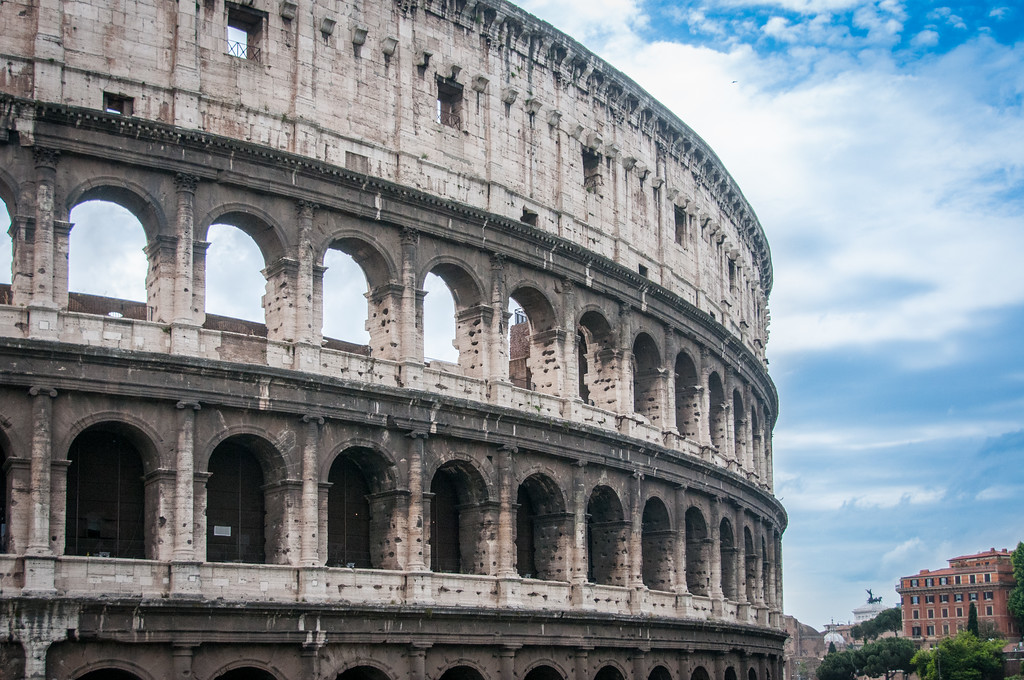
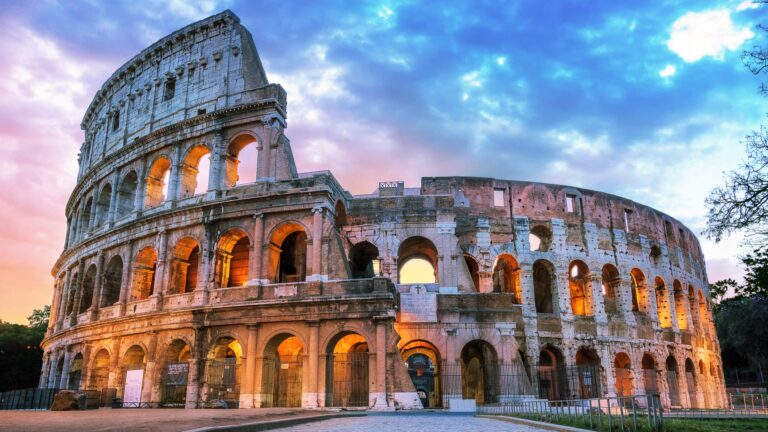
Rome offers one of the world’s most celebrated cultural city tours. Visitors walking through its historic center encounter landmarks such as the Colosseum, the Roman Forum, and the Pantheon. But beyond these, expert guides share the hidden history of narrow alleyways, ancient fountains, and lesser-known piazzas that reveal the everyday life of ancient Romans.
These tours also emphasize culinary culture, with stops at family-owned trattorias or traditional gelato shops. Such experiences allow travelers to appreciate Rome as a living city, not just a museum of ruins.
2. Cultural Exploration of Kyoto, Japan
Kyoto, once Japan’s imperial capital, offers tours that combine history, religion, and artistry. Cultural tours often include visits to centuries-old temples like Kinkaku-ji (Golden Pavilion), the serene rock gardens of Ryoan-ji, and traditional geisha districts such as Gion.
Beyond architecture, these tours immerse travelers in Japanese traditions. Activities may include tea ceremonies, kimono experiences, or observing artisans crafting pottery and textiles. Each interaction allows visitors to connect with Kyoto’s rich heritage on a personal level.
3. Cultural Discovery in Marrakech, Morocco
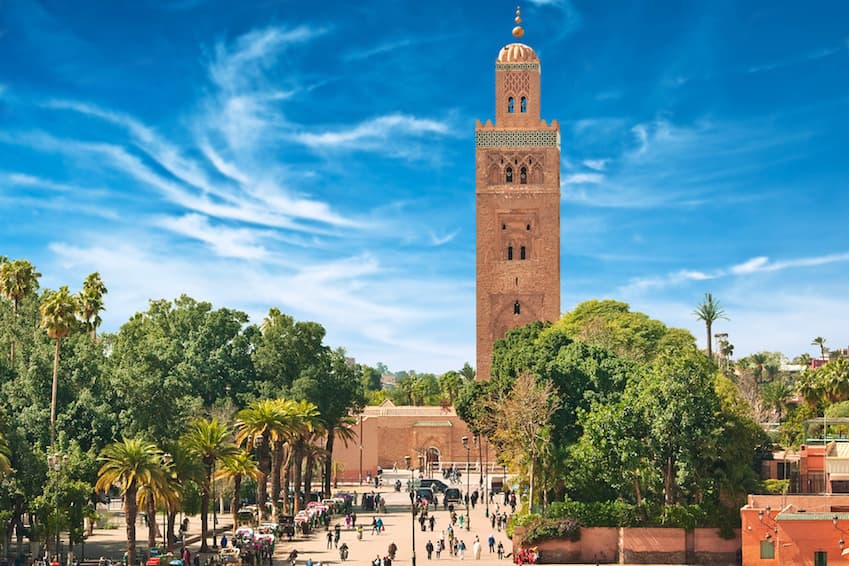
Marrakech’s medina is a labyrinth of cultural treasures. Cultural city tours here often include exploring vibrant souks filled with spices, textiles, and hand-crafted goods. Travelers are guided through historic palaces, mosques, and gardens while learning about Morocco’s fusion of Arab, Berber, and French influences.
The experience extends beyond architecture into storytelling. Local guides often share oral histories and folklore that illuminate the values and traditions of Moroccan society. This combination of sensory immersion and education makes Marrakech a cultural gem.
4. Art and Architecture Tour of Barcelona, Spain
Barcelona is a city where art and architecture blend seamlessly. Cultural tours highlight the works of Antoni Gaudí, including the Sagrada Família, Casa Batlló, and Park Güell. But they also include Gothic Quarter explorations, where medieval streets tell stories of centuries past.
Such tours often weave in Barcelona’s vibrant artistic culture, from Picasso’s early works to contemporary street art. This integration of old and new offers a comprehensive understanding of the city’s evolving identity.
5. Historical and Cultural Walk in Istanbul, Turkey
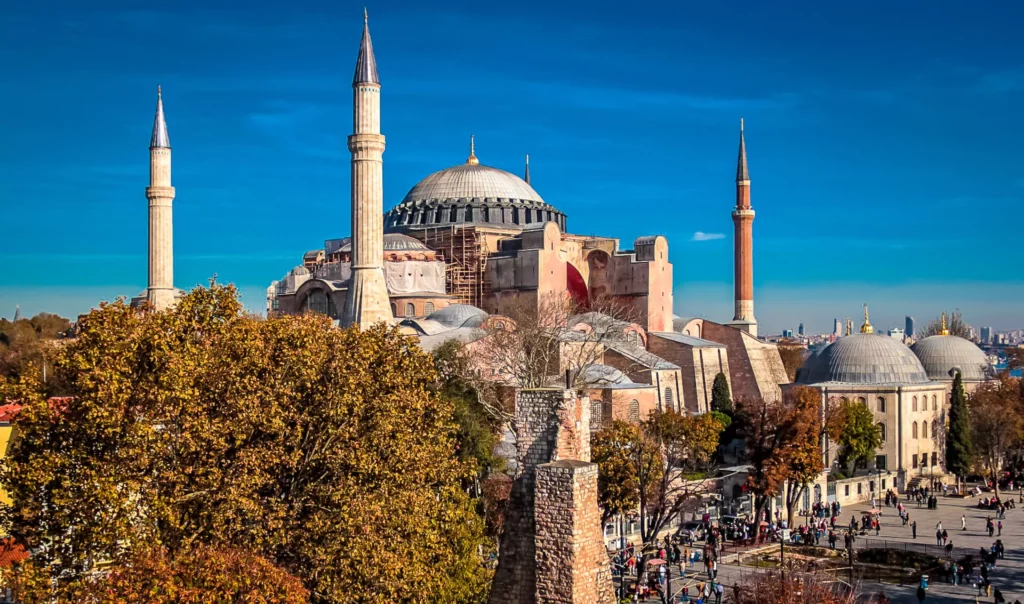
Istanbul, where East meets West, offers one of the richest cultural city tour experiences. Visitors explore landmarks such as Hagia Sophia, the Blue Mosque, and the Grand Bazaar. Tours often emphasize the city’s role as a crossroads of civilizations, blending Byzantine, Ottoman, and modern Turkish influences.
These cultural tours also highlight culinary traditions, with tastings of Turkish coffee, baklava, and street foods that bring the city’s diverse heritage to life. Istanbul’s layered history makes every street corner a living classroom.
Real-World Use Cases of Cultural City Tours
Educational Enrichment
Families and students use cultural city tours as living classrooms, where history, art, and culture are experienced firsthand. Walking through museums or historic neighborhoods brings textbook lessons to life.
Cultural Preservation
By supporting tours that showcase local artisans, culinary traditions, and oral histories, travelers contribute to the preservation of cultural heritage. This helps communities sustain practices that might otherwise fade.
Inclusive Travel
With the help of technology, cultural city tours are now more accessible to people with disabilities. Audio guides, digital maps, and AR tools make cultural learning inclusive and engaging for everyone.
Advantages of Cultural City Tours
-
Deep Cultural Immersion: Travelers connect with traditions, art, and history on a personal level.
-
Educational Value: Tours provide knowledge that is often unavailable in guidebooks.
-
Support for Local Communities: By engaging with local guides, artisans, and businesses, visitors directly benefit the community.
-
Memorable Experiences: Unlike passive sightseeing, cultural tours create interactive, meaningful moments.
Frequently Asked Questions
Q1. How are cultural city tours different from regular sightseeing tours?
Cultural city tours focus on immersion and education. While sightseeing highlights famous landmarks, cultural tours emphasize traditions, stories, and everyday life that define a city’s unique identity.
Q2. Are cultural city tours suitable for families with children?
Yes, many cultural tours are designed to be family-friendly. They often include interactive activities, local food tastings, or storytelling sessions that engage children and make learning fun.
Q3. Can technology enhance the cultural tour experience?
Absolutely. With AR, VR, and mobile apps, technology enhances navigation, education, and accessibility. It allows travelers to gain deeper insights while ensuring tours remain engaging and inclusive.