Cultural Festivals Exploring Global Traditions, Technology, and Benefits in Modern Society
Cultural festivals are more than just colorful gatherings filled with music, food, and dance. They are powerful traditions that preserve heritage, strengthen community bonds, and offer unique opportunities for cross-cultural exchange. From ancient rituals to modern celebrations enhanced by technology, cultural festivals remain essential in keeping identities alive while fostering unity in an increasingly globalized world.
In this article, we’ll dive deep into the meaning of cultural festivals, their global significance, real-world examples, and how technology is reshaping the way people celebrate traditions.
Understanding Cultural Festivals
Cultural festivals are organized events that showcase the traditions, beliefs, and practices of a particular community or nation. These celebrations often include rituals, music, dance, theater, food, and storytelling that reflect cultural heritage and values.
They act as living museums, allowing people to relive traditions that might otherwise fade away. For younger generations, festivals serve as educational experiences that connect them with their roots, while also offering an opportunity for outsiders to learn and appreciate new cultures.
The Importance of Cultural Festivals
Cultural festivals are important for multiple reasons. Firstly, they preserve historical traditions and ensure they are passed down through generations. This protects cultural identity and prevents traditions from being forgotten in modern society.
Secondly, these festivals encourage community unity. Families, neighbors, and even strangers gather together to celebrate, creating stronger social bonds. In addition, cultural festivals promote tourism, often attracting visitors from around the world who want to experience authentic traditions. This creates economic opportunities for local communities.
Real-World Examples of Cultural Festivals
1. Diwali Festival in India
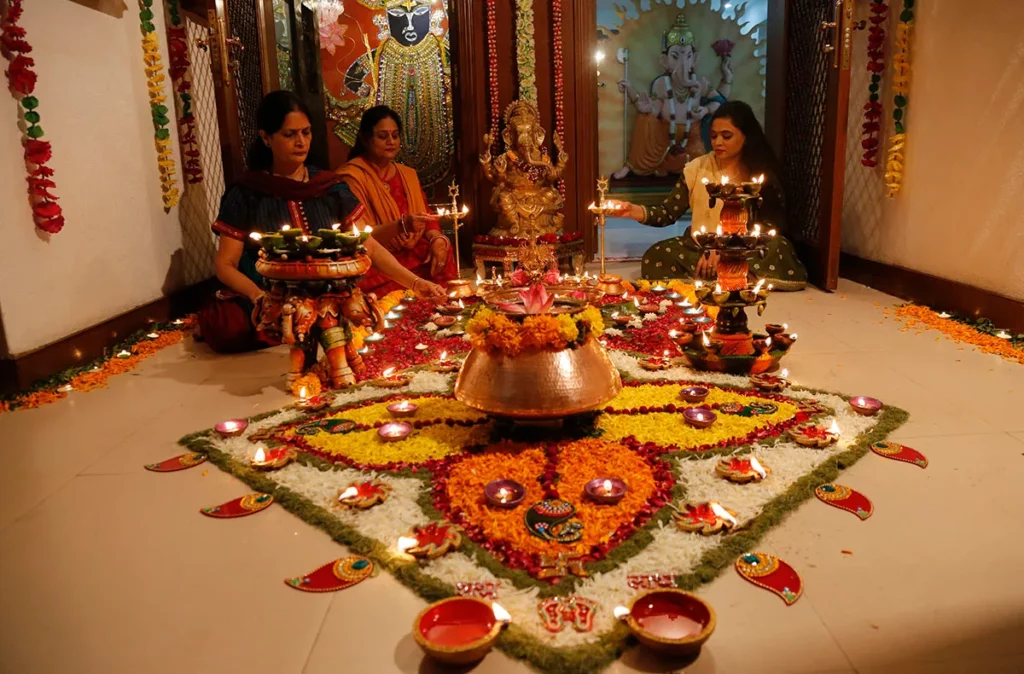
Diwali, also known as the Festival of Lights, is one of the most important Hindu cultural festivals celebrated across India and globally by the Indian diaspora. The festival symbolizes the victory of light over darkness and good over evil. Families decorate homes with oil lamps (diyas), share sweets, and gather for fireworks displays.
Diwali is significant because it brings together people of all ages and backgrounds, offering a blend of spirituality, joy, and togetherness. In modern times, digital technology has enhanced Diwali with virtual greetings, online shopping for festival items, and live-streamed celebrations, making it accessible to those far from home.
2. Carnival in Brazil
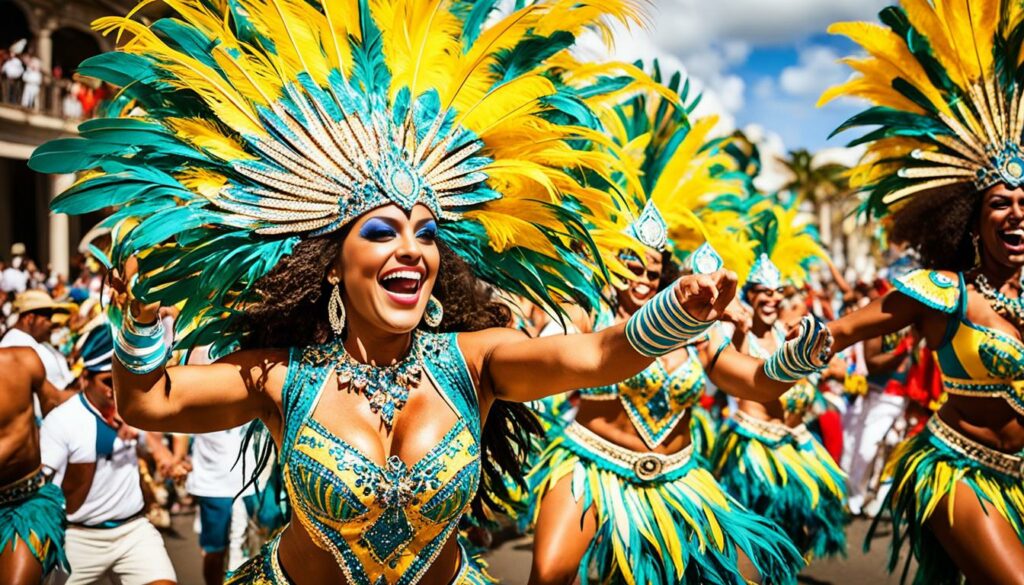
Brazil’s Carnival is one of the most famous cultural festivals in the world. Known for its parades, samba music, vibrant costumes, and street parties, Carnival reflects Brazil’s cultural diversity and artistic expression.
The festival originated from Catholic traditions leading up to Lent, but evolved into a massive cultural event that draws millions of visitors. Carnival showcases not only Brazilian heritage but also the creativity of communities that spend months preparing elaborate floats and costumes. Technology now plays a big role, with live broadcasts and social media platforms bringing the spectacle to international audiences.
3. Oktoberfest in Germany
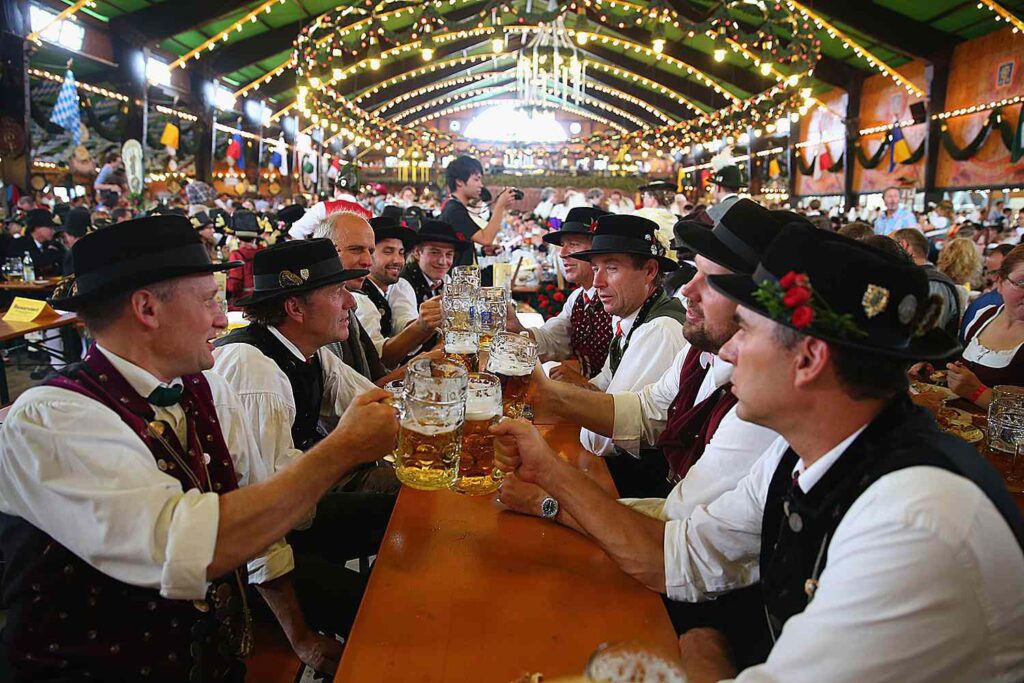
Oktoberfest, held annually in Munich, Germany, is the world’s largest beer festival and a key cultural celebration. Originating in the early 19th century as a royal wedding celebration, it evolved into a major festival featuring Bavarian traditions, folk music, parades, and authentic food.
What makes Oktoberfest culturally significant is its ability to preserve Bavarian customs while opening its doors to international visitors. Today, Oktoberfest is celebrated in many countries worldwide, showing how cultural festivals can adapt and spread while retaining their core traditions.
4. Cherry Blossom Festival in Japan
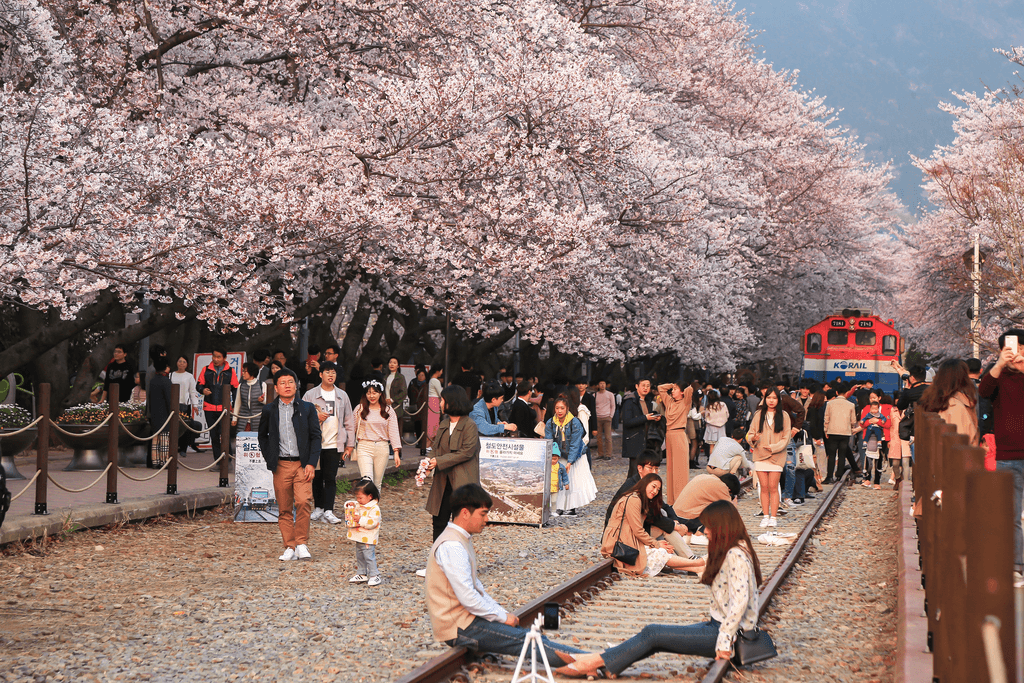
The Cherry Blossom Festival, or Hanami, is a cultural celebration in Japan that honors the fleeting beauty of cherry blossoms. Families and friends gather in parks to picnic under blooming trees, enjoying food, drinks, and performances.
This festival reflects Japanese philosophy, emphasizing the impermanence of life and the importance of appreciating moments of beauty. With technology, the Cherry Blossom Festival has gained global recognition, with live-streaming of cherry blossom views and apps that track blooming seasons for tourists.
The Role of Technology in Cultural Festivals
Technology has become a powerful tool in preserving and enhancing cultural festivals. Social media platforms like Instagram and TikTok allow festivals to reach younger audiences, encouraging global interest. Live-streaming enables diaspora communities to participate virtually in their hometown celebrations, bridging distances.
Digital archives and virtual reality experiences also help preserve traditions for future generations. For instance, UNESCO and other organizations digitize festival footage to ensure cultural practices remain accessible even if physical participation is limited. In addition, mobile apps now guide attendees, share schedules, and provide translations for international visitors, improving accessibility.
Benefits of Cultural Festivals in Modern Society
Cultural festivals offer numerous benefits beyond entertainment. They encourage cross-cultural understanding by allowing participants to learn about new traditions, foods, and music. This reduces stereotypes and fosters tolerance.
Economically, cultural festivals generate significant revenue for local businesses, artisans, and tourism industries. Socially, they build strong community bonds, giving individuals a sense of belonging and pride in their heritage. Psychologically, festivals also improve well-being by offering joy, connection, and opportunities for self-expression.
Practical Use Cases of Cultural Festivals
Cultural festivals solve several real-life problems. For immigrant communities, they provide a connection to their roots, reducing feelings of isolation and strengthening identity. For local communities they generate jobs and economic growth, especially in areas reliant on tourism.
They also serve as platforms for education, where schools and organizations use festivals to teach children about history, values, and traditions. Moreover, in multicultural societies, festivals act as bridges between communities, reducing gaps and promoting peaceful coexistence.
Frequently Asked Questions
Q1. Why are cultural festivals important for young generations?
Expose young people to traditions, values, and practices that might otherwise fade away. They offer an educational experience outside of classrooms and foster cultural pride, identity, and continuity.
Q2. How does technology enhance cultural festivals?
Technology is enhanced through live-streaming, digital archives, mobile apps, and global promotion on social media. This makes festivals more accessible, engaging, and inclusive for people worldwide.
Q3. Can cultural festivals adapt to modern times without losing authenticity?
Yes, many successfully balance tradition with modern innovation. By incorporating technology and contemporary practices while preserving core rituals, festivals remain relevant and authentic in today’s society.