Cultural Travel Packages Immersive Experiences for Global Explorers
Travel has evolved far beyond sightseeing and relaxation. Today, many travelers seek meaningful experiences that allow them to connect with different societies, traditions, and ways of life. Cultural travel packages are carefully curated trips designed to help explorers engage with history, art, language, food, and the authentic lifestyles of diverse communities around the world.
These packages are not only about visiting landmarks; they are about immersing oneself in living cultures, fostering cross-cultural understanding, and returning home with experiences that expand perspectives.
What Are Cultural Travel Packages?
Cultural travel packages are organized tours or trips designed to immerse travelers in the cultural fabric of a destination. Unlike typical holidays focused solely on leisure or luxury, these packages emphasize authentic cultural experiences such as traditional cooking classes, participation in local festivals, artisan workshops, historical site visits, and interaction with local communities.
They often combine educational elements with entertainment, allowing participants to enjoy themselves while also learning something new. Whether it’s walking through ancient ruins, attending a traditional dance performance, or exploring rural villages, cultural travel packages provide curated opportunities for a deeper understanding.
Key Elements of Cultural Travel Packages
Heritage and History
A major feature of cultural travel packages is access to heritage sites. Travelers get the opportunity to walk through centuries-old monuments, museums, and UNESCO World Heritage Sites while learning the stories that shaped civilizations.
Authentic Experiences
Packages often focus on direct interaction with local communities. This may include home stays, language exchanges, or hands-on experiences like pottery making, weaving, or traditional cooking.
Festivals and Traditions
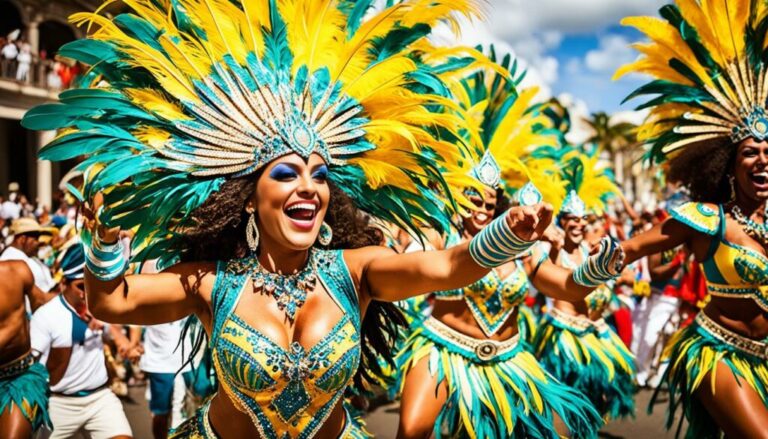
Cultural travel often involves attending or participating in local celebrations. From vibrant carnivals in South America to spiritual festivals in Asia, these events bring travelers closer to the soul of a culture.
Guided Expertise
Many cultural travel packages come with expert guides-historians, anthropologists, or local community leaders-who offer valuable context and insights.
Benefits of Cultural Travel Packages
Cultural travel is more than just a journey-it provides transformative experiences that create lasting impacts.
Deep Cultural Understanding
Unlike standard tourism, these packages encourage learning and curiosity. Travelers return with insights about how societies function, why traditions matter, and how cultures shape identities.
Personal Growth
Interacting with diverse communities fosters empathy, adaptability, and global awareness. Cultural travel often challenges preconceived notions, broadening one’s worldview.
Preservation of Heritage
When responsibly managed, cultural travel supports the preservation of local traditions and heritage sites. The funds generated help sustain artisan practices, local industries, and conservation projects.
Technology-Enhanced Learning
Modern cultural travel often integrates technology to enrich experiences. Virtual reality headsets at heritage sites, translation apps during homestays, and mobile guides powered by AI make cultural immersion easier and more interactive. Technology bridges language barriers, provides historical reconstructions, and ensures that travelers maximize their experiences.
Real-World Examples of Cultural Travel Packages
1. Traditional Japanese Cultural Tour
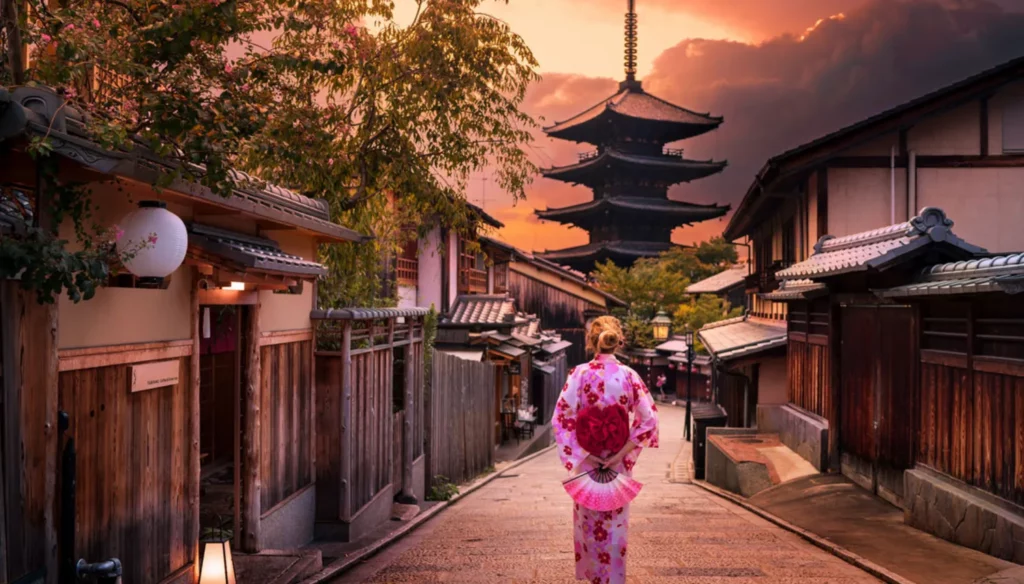
A cultural package in Japan often includes tea ceremonies, calligraphy workshops, visits to ancient temples, and participation in local festivals like Gion Matsuri in Kyoto. These tours combine guided walks through heritage sites such as Nijo Castle or Fushimi Inari Shrine with practical workshops that allow travelers to truly embrace Japanese traditions.
Such experiences provide a balance between historical education and cultural immersion, ensuring that visitors not only see Japan but live its culture.
2. Moroccan Cultural Exploration Package

Moroccan cultural tours usually feature guided visits through ancient medinas, traditional cooking classes focused on Moroccan cuisine, and overnight stays in desert camps under starry skies. Travelers can explore the historical city of Fez, ride camels in the Sahara, and visit local artisan cooperatives where pottery and carpets are still handmade.
This type of package offers a sensory-rich immersion through tastes, textures, and traditions that goes far beyond sightseeing.
3. Italian Renaissance Experience
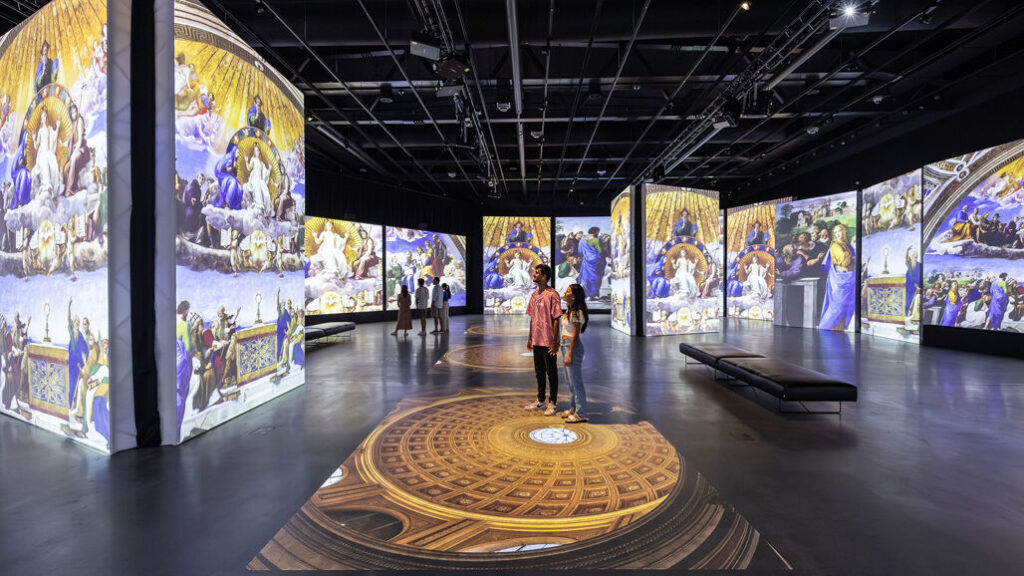
Cultural packages in Italy often emphasize art and architecture, particularly the Renaissance. Travelers may enjoy guided tours of Florence’s Uffizi Gallery, hands-on fresco painting workshops, and culinary classes in Tuscany. The combination of historical learning and direct participation in cultural activities creates a deeper connection with Italy’s artistic legacy.
Such packages help travelers appreciate not only the works of Michelangelo or Da Vinci but also the cultural context that produced them.
4. Indian Cultural Heritage Tour
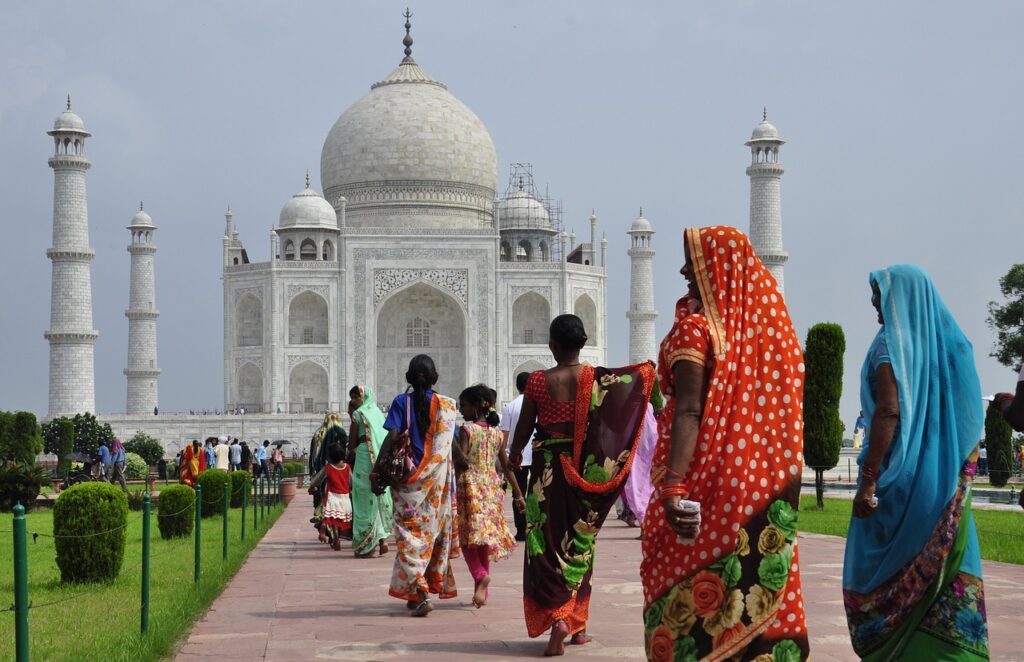
An Indian cultural package often includes attending classical dance performances, joining yoga retreats, exploring ancient temples, and participating in colorful festivals such as Holi or Diwali. Local guides may take visitors through historic cities like Varanasi, Jaipur, and Delhi, where travelers witness the blend of modern life with centuries-old traditions.
This package helps travelers grasp the complexity and diversity of Indian culture, from spirituality to cuisine to architecture.
Use Cases of Cultural Travel Packages
Educational Travel for Students
Schools and universities often use cultural travel packages as part of study-abroad programs. These experiences go beyond classroom learning, allowing students to live what they study and expand their cultural competence.
Family-Friendly Exploration
Families benefit from cultural travel packages that combine fun activities with educational value. Cooking classes, traditional crafts, and interactive museum visits create engaging experiences for both children and adults.
Corporate Team Building
Organizations increasingly use cultural travel as a form of team building. By participating in local workshops or community projects abroad, employees strengthen teamwork and develop cultural sensitivity, skills essential in today’s global economy.
Personal Growth Journeys
Solo travelers seeking self-discovery often turn to cultural travel. By living with host families, volunteering in local communities, or joining art workshops, they develop resilience and expand their worldview.
Why Cultural Travel Packages Are Useful in Real Life
Cultural travel packages solve the problem of shallow tourism. Instead of leaving a destination with only photos of landmarks, travelers take home knowledge, memories, and connections. They help people navigate unfamiliar cultural environments with expert guidance, removing the guesswork and ensuring authenticity.
They are particularly useful for travelers who want structured, meaningful experiences rather than generic itineraries. From enhancing education to enriching personal growth, these packages offer value beyond standard vacations.
Frequently Asked Questions
Q1. What is included in a cultural travel package?
Cultural travel packages usually include guided tours of historical sites, workshops, cultural activities, and opportunities to interact with local communities. They may also include accommodations, meals, and expert guides to ensure a comprehensive experience.
Q2. Are cultural travel packages suitable for families?
Yes, many packages are family-friendly. They often include interactive activities like cooking classes, traditional music sessions, or art workshops, making them enjoyable for children and adults alike.
Q3. How do cultural travel packages support local communities?
These packages contribute economically by directing tourism income toward local businesses, artisans, and cultural preservation efforts. They also create opportunities for cultural exchange that highlight the importance of maintaining traditions.