
Eco-Friendly Adventure Travel Tips Sustainable Ways to Explore the World
Adventure travel has become one of the most popular ways to explore the world, but with its growing popularity comes greater responsibility. Every time we trek a mountain, kayak in pristine waters, or camp in remote forests, we leave behind a footprint. Eco-friendly adventure travel tips are essential for ensuring that our passion for exploration does not compromise the natural environments and cultures we cherish.
By adopting sustainable practices, travelers can reduce waste, conserve resources, and contribute positively to the communities they visit. From choosing responsible gear to respecting local customs, eco-friendly travel is not about giving up comfort or adventure’s about making conscious decisions that protect the planet for future explorers.
Why Eco Friendly Adventure Travel Matters
Sustainable travel is more than just a trend; it’s a necessity. Tourism contributes significantly to carbon emissions and environmental degradation, particularly in fragile ecosystems where adventure activities are popular. By following eco friendly adventure travel tips, adventurers can help mitigate these impacts.
Eco-friendly practices ensure that natural habitats remain intact, wildlife is undisturbed, and cultural traditions are respected. Beyond environmental benefits, sustainable travel often provides more authentic experiences, allowing adventurers to connect deeply with local communities, traditions, and landscapes. This form of travel is about balance—enjoying adventure while safeguarding the planet.
Key Eco Friendly Adventure Travel Tips
Choose Sustainable Transportation
Transportation is one of the largest contributors to carbon emissions in travel. Choosing eco-friendly transportation methods is one of the most effective ways to minimize impact. Options such as biking, walking, carpooling, or using public transit significantly reduce carbon footprints.
In adventure travel, this might mean opting for hiking trails instead of off-road vehicles or choosing kayaking over motorized boat tours. These choices not only protect the environment but also enhance the overall experience, allowing travelers to connect more intimately with nature.
Pack Eco-Friendly Gear
Adventure travelers often carry a variety of gear, from tents to cooking supplies. Choosing eco-friendly options, such as reusable water bottles, solar-powered chargers, biodegradable toiletries, and lightweight, sustainable clothing, makes a big difference.
Eco-friendly gear is not just beneficial for the planet; it’s also practical. Reusable items reduce waste and often prove more durable, while compact, sustainable materials lighten the load for long treks. This small shift in packing habits reflects a larger commitment to responsible adventure travel.
Respect Local Communities and Cultures
Adventure often leads travelers into communities that are deeply connected to their land and traditions. Respecting these communities means more than simply observing customs—it involves engaging responsibly. Supporting local businesses, respecting sacred spaces, and asking permission before taking photographs are crucial practices.
When adventurers prioritize respect and cultural sensitivity, they foster positive relationships with local communities. This ensures that tourism becomes a force for mutual benefit, providing economic support while preserving traditions and values.
Minimize Waste While Traveling
One of the simplest yet most powerful eco-friendly adventure travel tips is to follow the principle of “leave no trace.” This involves carrying out everything you bring in, including food packaging, bottles, and other waste. Travelers should also minimize single-use plastics by carrying reusable cutlery, straws, and bags.
Minimizing waste also includes being mindful of energy and water use. Choosing accommodations that follow green practices, conserving water during camping, and reducing energy consumption by switching off unnecessary devices all contribute to responsible adventure travel.
Benefits of Using Technology for Sustainable Adventure Travel
Technology plays a growing role in promoting eco-friendly adventure travel. Mobile apps now provide maps that reduce the need for printed materials, while digital passes minimize paper waste. GPS devices help adventurers stay on trails, preventing unintentional damage to fragile ecosystems.
Another technological benefit is the use of renewable energy devices, such as solar-powered lanterns and portable chargers. These tools allow travelers to stay connected and safe without relying on disposable batteries or fossil fuels. Online platforms also allow travelers to research sustainable destinations, identify eco-certified accommodations, and connect with local conservation initiatives, making technology a powerful ally for sustainable exploration.
Real-World Examples of Eco Friendly Adventure Travel Practices
1. Patagonia National Park, Chile

Patagonia National Park has become a model of eco-friendly adventure travel. Trails are carefully maintained to minimize erosion, and the park encourages visitors to follow strict “leave no trace” principles. Local conservation groups actively work to protect the unique wildlife, including guanacos and condors, ensuring that tourism supports preservation efforts.
Visitors to Patagonia find that eco-friendly policies enhance their experience. By limiting environmental impact, the park retains its pristine beauty, offering trekkers a chance to explore vast landscapes untouched by pollution or overdevelopment. This makes the adventure more rewarding, as travelers feel they are part of conservation rather than exploitation.
2. Lofoten Islands, Norway
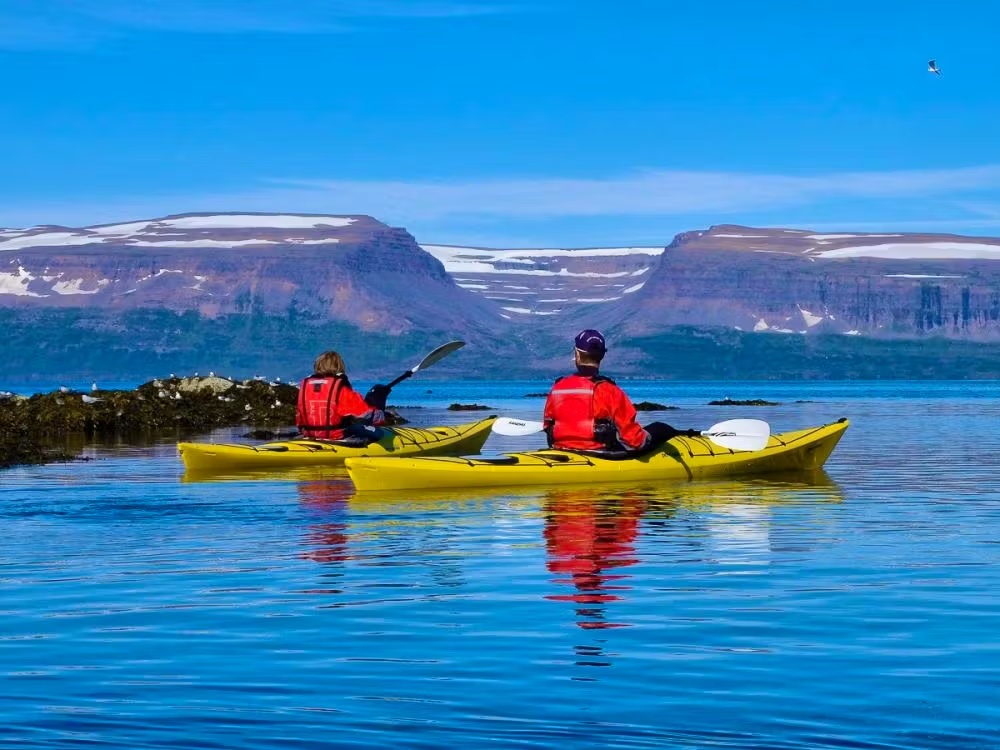
Norway’s Lofoten Islands are a popular destination for adventure travelers, offering activities like kayaking, hiking, and northern lights exploration. The local community emphasizes sustainability, encouraging travelers to use eco-lodges, avoid disturbing wildlife, and practice responsible fishing.
The islands showcase how adventure and sustainability can coexist. Kayaking in clear Arctic waters, for example, allows travelers to experience marine ecosystems without the noise and pollution of motorboats. Local cultural exchanges also emphasize traditions rooted in living harmoniously with nature.
3. Mount Kilimanjaro, Tanzania

Climbing Mount Kilimanjaro attracts thousands of adventurers each year, but the mountain is also vulnerable to waste and erosion. Sustainable climbing practices include hiring certified local guides, using eco-friendly gear, and adhering to waste-carrying policies enforced by park authorities.
These eco-friendly measures are not only good for the mountain but also for the climbers. Travelers find that sustainable practices enrich the experience by ensuring safer, cleaner trails. Supporting local guides and porters also contributes to community development, aligning adventure with ethical responsibility.
4. Great Barrier Reef, Australia

The Great Barrier Reef is one of the most sensitive ecosystems in the world. Adventure travel here often includes diving, snorkeling, and boating, all of which can impact coral health. Eco-friendly operators encourage reef-safe sunscreen, non-invasive diving practices, and participation in citizen science programs that monitor coral health.
For travelers, eco-friendly diving provides a deeper connection to the marine environment. Knowing that their actions contribute to the reef’s preservation makes the adventure more meaningful. Sustainable tourism here demonstrates how fragile ecosystems can be explored without causing harm.
Practical Benefits of Eco-Friendly Adventure Travel
Eco-friendly adventure travel provides long-term benefits not just for the environment but also for the traveler. By practicing sustainability, adventurers ensure that natural landscapes remain intact for future generations. This creates a cycle where both people and the planet benefit from responsible tourism.
Travelers also gain personal advantages. Sustainable travel often costs less in the long run due to reusable gear and energy efficiency. Moreover, eco-friendly practices foster a deeper appreciation for nature and cultures, leading to more enriching experiences. Sustainable travel builds resilience, self-sufficiency, and a sense of purpose, transforming simple adventures into meaningful journeys.
Real-Life Use Cases for Eco-Friendly Adventure Travel
Eco-friendly adventure travel solves several pressing problems. For one, it addresses the issue of overtourism by encouraging travelers to spread out their visits and engage in low-impact activities. This helps preserve delicate environments and avoids overwhelming local communities.
It also combats waste and pollution in natural areas. By adopting sustainable practices, travelers reduce plastic use, manage energy responsibly, and protect ecosystems from damage. Additionally, eco-friendly tips solve the problem of cultural exploitation by ensuring that local communities benefit economically and socially from tourism rather than being marginalized.
Conclusion
Eco-friendly adventure travel tips are essential for anyone who wants to explore the world responsibly. From sustainable packing and transportation to respecting local communities and using technology wisely, these practices ensure that adventure travel protects rather than harms the planet. Real-world examples such as Patagonia, Lofoten, Kilimanjaro, and the Great Barrier Reef show that sustainable exploration is not only possible but also more rewarding. By adopting eco-friendly practices, travelers transform their adventures into meaningful contributions to global preservation.
Frequently Asked Questions
Q1. What are the easiest eco-friendly adventure travel tips for beginners?
The easiest tips include carrying reusable water bottles, minimizing single-use plastics, respecting local customs, and following “leave no trace” principles. These simple steps make a big difference without requiring major lifestyle changes.
Q2. How does technology help with eco-friendly adventure travel?
Technology assists with digital maps, eco-certified booking platforms, and renewable energy devices like solar chargers. These tools reduce waste, improve safety, and make sustainable travel more convenient.
Q3. Are eco-friendly adventure travel tips suitable for all destinations?
Yes. Whether you’re hiking in mountains, kayaking in oceans, or exploring cultural sites, eco-friendly practices can be applied everywhere. The principles of reducing waste, conserving resources, and respecting cultures are universal.