Famous Castles Around the World History, Architecture, and Cultural Significance
Castles have always captured human imagination, representing power, defense, and grandeur. From medieval fortresses to fairytale-like palaces, famous castles across the globe are timeless monuments of history, architecture, and culture. These structures not only reflect the artistry of past civilizations but also serve as windows into political struggles, technological innovations, and royal lifestyles.
In this article, we will explore the world’s most famous castles, their historical importance, architectural wonders, and real-world examples that continue to inspire travelers, historians, and architects alike.
The Historical Significance of Castles
Castles were more than just residences for kings and nobles-they were fortified strongholds designed for survival in turbulent times. Built between the 9th and 16th centuries, castles served as military bases, administrative centers, and symbols of power. Their locations were often strategic, overlooking trade routes, rivers, or borders.
Over time, castles evolved from purely defensive structures into luxurious residences showcasing art, culture, and architectural brilliance. Many of today’s famous castles are well-preserved reminders of centuries-long struggles between empires, kingdoms, and noble families.
Architectural Features That Make Castles Unique
One of the reasons famous castles attract millions of visitors each year is their unique architecture. Early castles were made of wood, but soon stone construction became the norm, offering greater durability. Distinct architectural elements included:
-
Moats and Drawbridges: Essential defensive features to keep enemies away.
-
Towers and Keeps: Central strongholds offering safety during sieges.
-
High Walls and Battlements: Providing defense and visibility.
-
Ornate Interiors: Later castles displayed grandeur through ballrooms, chapels, and decorated halls.
These architectural innovations were not just practical but also symbolic of wealth and influence. The legacy of these designs can be seen in modern fantasy literature, films, and even digital reconstructions using technology.
Famous Castles Around the World
1. Windsor Castle, England
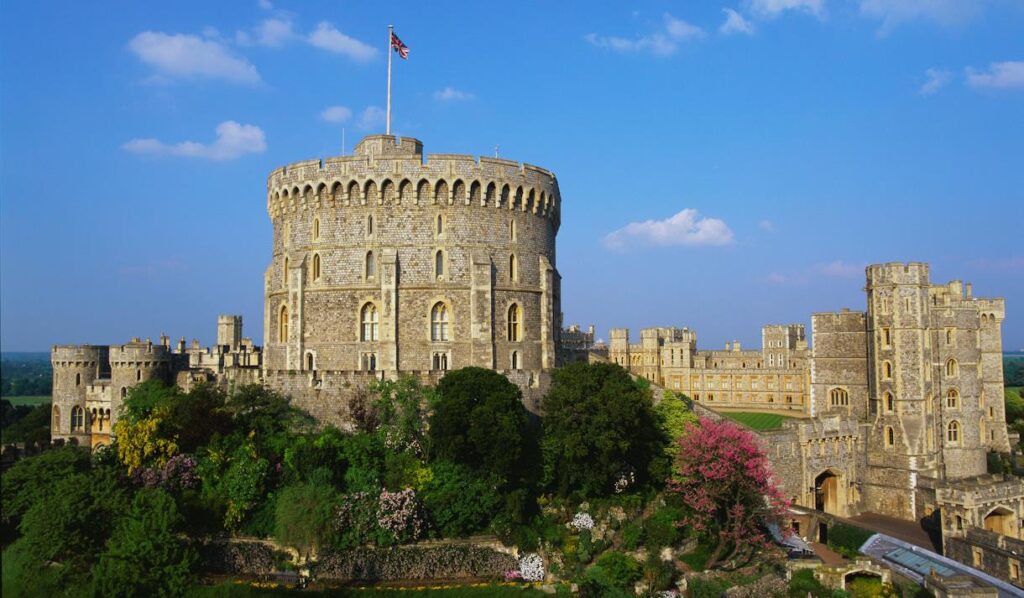
Windsor Castle is one of the most iconic castles in the world, continuously inhabited for nearly 1,000 years. Serving as a royal residence for the British monarchy, it combines medieval architecture with modern renovations. Its vast grounds, luxurious State Apartments, and St. George’s Chapel make it both a political hub and a cultural symbol.
The castle has withstood wars, fires, and modernization, symbolizing resilience and continuity. Today, Windsor Castle is not only a royal residence but also a representation of Britain’s historical legacy.
2. Neuschwanstein Castle, Germany
Perched high in the Bavarian Alps, Neuschwanstein Castle is often considered the archetypal “fairytale castle.” Commissioned by King Ludwig II of Bavaria in the 19th century, it was designed more for beauty than defense. Its Romanesque Revival style and picturesque mountain setting inspired Walt Disney’s Sleeping Beauty Castle.
Although it was built long after the medieval era, Neuschwanstein embodies the romanticized vision of castles. It attracts millions of visitors annually, standing as a symbol of imagination, art, and fantasy made real.
3. Edinburgh Castle, Scotland

Dominating the skyline of Scotland’s capital, Edinburgh Castle is a historic fortress with roots dating back to the Iron Age. Strategically built on Castle Rock, it has been the site of countless battles and sieges. The castle houses the Scottish Crown Jewels and the Stone of Destiny, used in the coronation of Scottish monarchs.
Its military importance gradually gave way to ceremonial and cultural roles. Today, it is one of the most visited tourist attractions in the United Kingdom, blending history, heritage, and national pride.
4. Château de Chambord, France
The Château de Chambord in France is a masterpiece of Renaissance architecture. Built in the 16th century for King Francis I, its design combines traditional medieval forms with Renaissance innovation. The double-helix staircase, attributed to Leonardo da Vinci, remains one of its most fascinating features.
Although it was rarely used as a residence, the castle stands as a symbol of artistic ambition and architectural brilliance. Its massive size and intricate detailing reflect the grandeur of French royalty during the Renaissance.
5. Himeji Castle, Japan
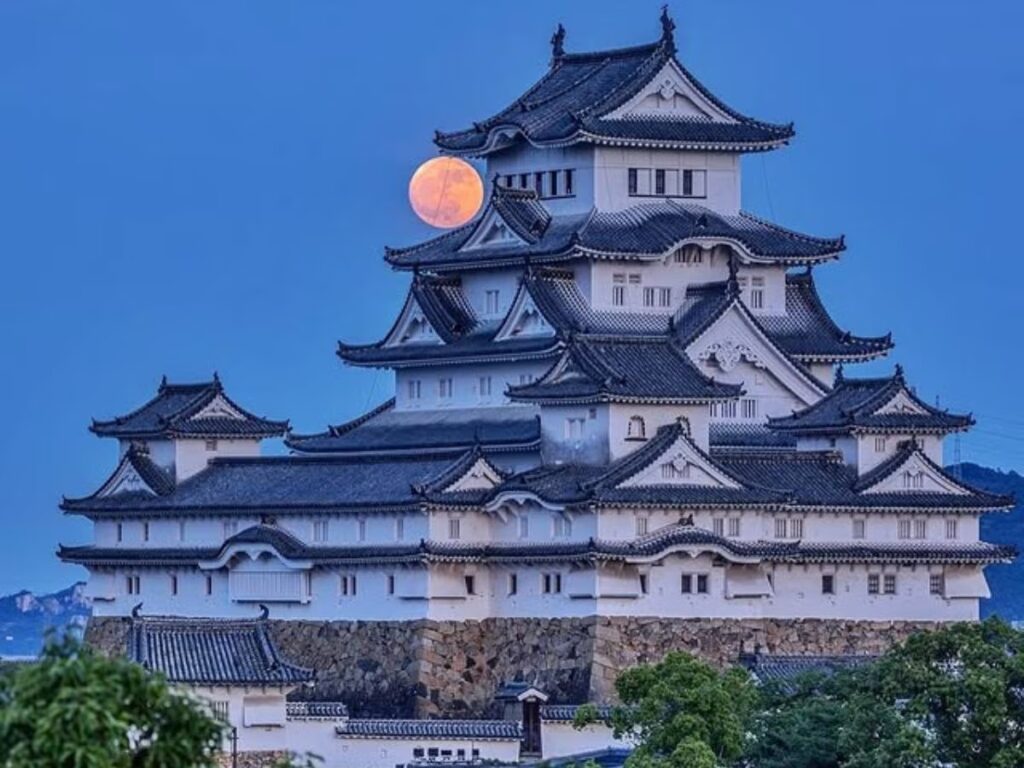
Himeji Castle, often called the “White Heron Castle,” is one of Japan’s most beautiful and best-preserved castles. Dating back to the 14th century, it represents Japanese feudal architecture at its finest. With its layered white walls, complex defense systems, and elegant design, Himeji Castle is a UNESCO World Heritage Site.
Unlike European castles, Himeji emphasizes aesthetics as much as defense. Its sweeping roofs and white plaster walls symbolize grace and strength, making it an icon of Japanese cultural heritage.
The Role of Technology in Preserving Castles
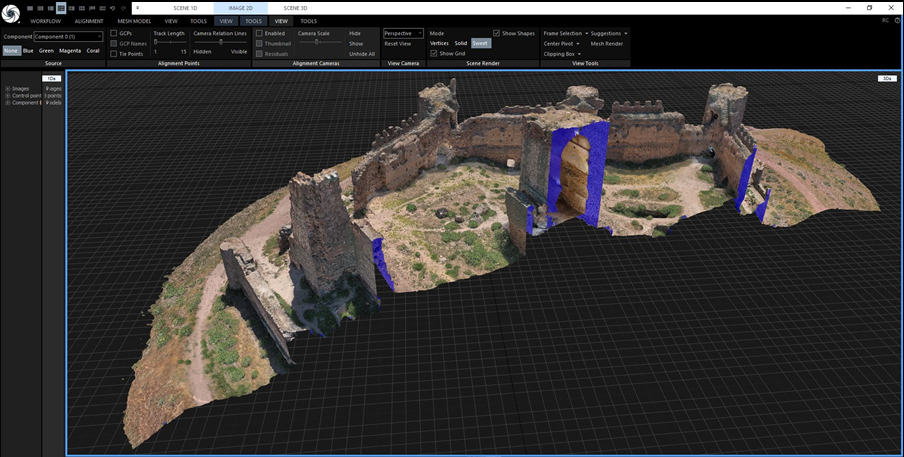
Modern technology plays a vital role in preserving famous castles for future generations. Digital 3D modeling, laser scanning, and drone photography allow historians and architects to capture detailed structures without damaging fragile stonework. These technologies also help restore castles after natural disasters, fires, or decades of decay.
Virtual reality (VR) and augmented reality (AR) have revolutionized the way people experience castles. Visitors can explore reconstructions of lost sections, interact with medieval settings, and even witness simulated historical events. This combination of history and innovation ensures that the stories behind these castles remain accessible worldwide.
Real-World Use Cases and Relevance
-
Tourism and Education
Castles are among the most visited landmarks in the world. They serve as open-air museums, helping students, travelers, and historians understand cultural evolution. Countries like Germany, Scotland, and France rely heavily on castle tourism for their economies. -
Cultural Identity and National Pride
Castles often symbolize resilience and identity. Edinburgh Castle embodies Scottish independence, while Windsor Castle highlights royal tradition. These structures reinforce cultural pride and historical awareness. -
Entertainment and Inspiration
From movies to video games, famous castles inspire countless works of fiction. Neuschwanstein Castle’s influence on Disney and other fantasy designs shows its lasting impact on creative industries. -
Architectural and Engineering Insights
Studying castles offers valuable lessons in engineering and architecture. Techniques such as stone masonry, fortified designs, and defensive layouts remain influential even in modern urban planning.
Benefits of Learning About Famous Castles
Studying famous castles goes beyond admiration for beautiful architecture. It offers practical benefits, including:
-
Historical Perspective: Understanding how societies functioned under feudal systems.
-
Cultural Enrichment: Appreciating diverse traditions and legacies.
-
Architectural Knowledge: Learning innovative designs and defensive strategies.
-
Tourism Opportunities: Inspiring exploration of new destinations.
-
Preservation Awareness: Encouraging the safeguarding of cultural heritage sites.
Frequently Asked Questions
Q1. What makes a castle “famous”?
A castle becomes famous due to its historical significance, unique architecture, cultural importance, or global recognition through tourism, literature, and media.
Q2. Are castles still used today?
While castles no longer serve as military strongholds, many are used as museums, royal residences, event spaces, or tourist attractions. Some, like Windsor Castle, are still active royal properties.
Q3. What is the difference between a castle and a palace?
Castles were built for defense, with moats, towers, and fortifications, while palaces were constructed primarily for luxury and comfort without heavy defensive features.