Food Tours in Barcelona The Ultimate Guide to Culinary Adventures
Barcelona is more than just a city of stunning architecture and vibrant nightlife. It is also a paradise for food lovers. From bustling markets filled with fresh produce to tapas bars tucked away in narrow alleyways, Barcelona’s culinary scene is a feast for the senses. Food tours in Barcelona have become one of the best ways to immerse yourself in local culture, combining gastronomy, history, and social experiences.
Whether you are a first-time visitor or a seasoned traveler, joining a food tour can transform the way you experience the city. In this guide, we will explore everything you need to know about food tours in Barcelona, including real-world examples, cultural insights, benefits, and use cases.
Why Food Tours in Barcelona Are Worth Experiencing
Barcelona’s culinary scene reflects the unique blend of Catalan traditions, Mediterranean flavors, and modern creativity. A food tour allows you to explore this diversity through curated experiences that go beyond dining in restaurants.
Instead of just eating a meal, you gain access to the stories behind the dishes, the chefs who prepare them, and the neighborhoods where food traditions have been passed down for generations. These tours often include guided visits to markets, tastings at family-owned eateries, and lessons on the cultural history of Catalan cuisine.
By taking part in a food tour, travelers also get the chance to support local businesses, making their trip both memorable and sustainable.
Exploring Barcelona Through Its Food Tours
1. La Boqueria Market Food Tour
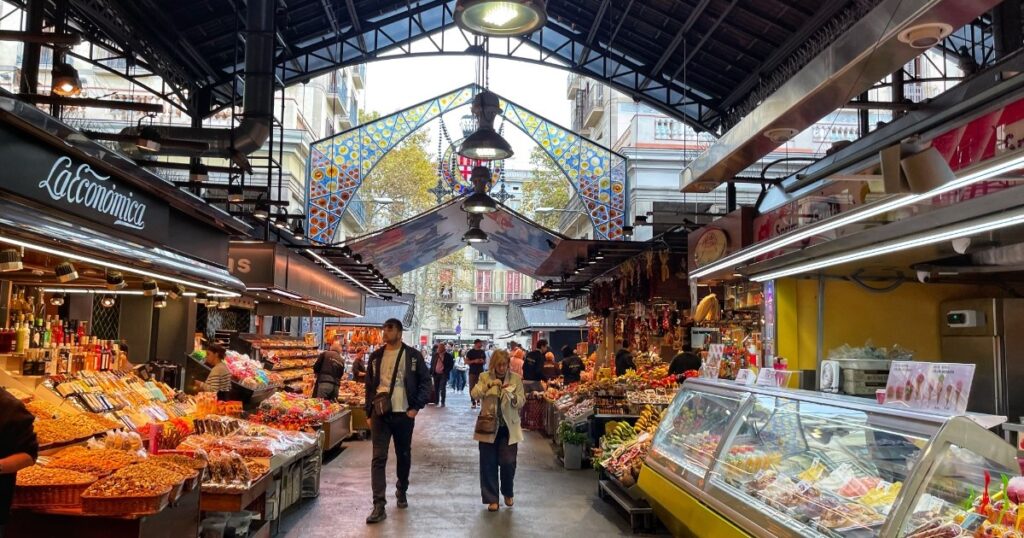
One of the most famous starting points for food tours in Barcelona is La Boqueria Market, located on La Rambla. This iconic market is home to hundreds of stalls selling everything from fresh seafood and Iberian ham to exotic fruits and artisanal cheeses.
On a food tour here, participants get to sample seasonal produce while learning about the culinary significance of each ingredient. Tour guides often share insights into how Catalan chefs source their products and what makes Mediterranean cuisine unique. For many travelers, tasting fresh oysters, Jamón ibérico, or a cone of chorizo becomes an unforgettable moment.
Beyond the flavors, the vibrant energy of the market introduces you to the heartbeat of Barcelona’s food culture. It is not just about shopping-it is about storytelling, tradition, and craftsmanship.
2. Tapas and Wine Walking Tour
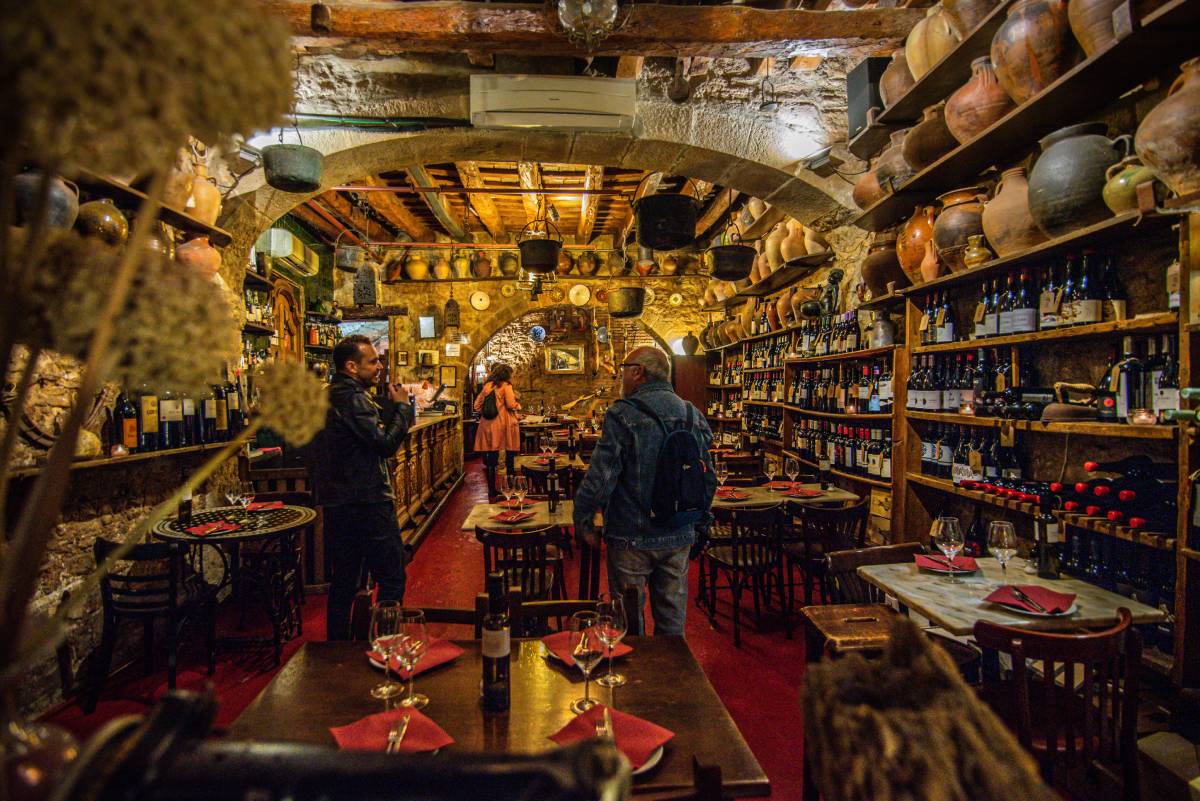
A popular choice for evening food tours in Barcelona is the Tapas and Wine Walking Tour. These tours typically take travelers through neighborhoods such as El Born or the Gothic Quarter, where narrow streets hide family-run tapas bars and historic wine cellars.
Participants get to try classic tapas dishes like patatas bravas, pan con tomate, and grilled prawns, all paired with regional wines such as Priorat or Cava. Guides often explain the origins of tapas culture, emphasizing the social aspect of sharing food and drinks with friends.
This type of tour not only provides culinary insights but also helps travelers discover local traditions. Many visitors leave with a deeper understanding of how Catalans view food as a way to connect and celebrate life.
3. Cooking Class with Market Visit
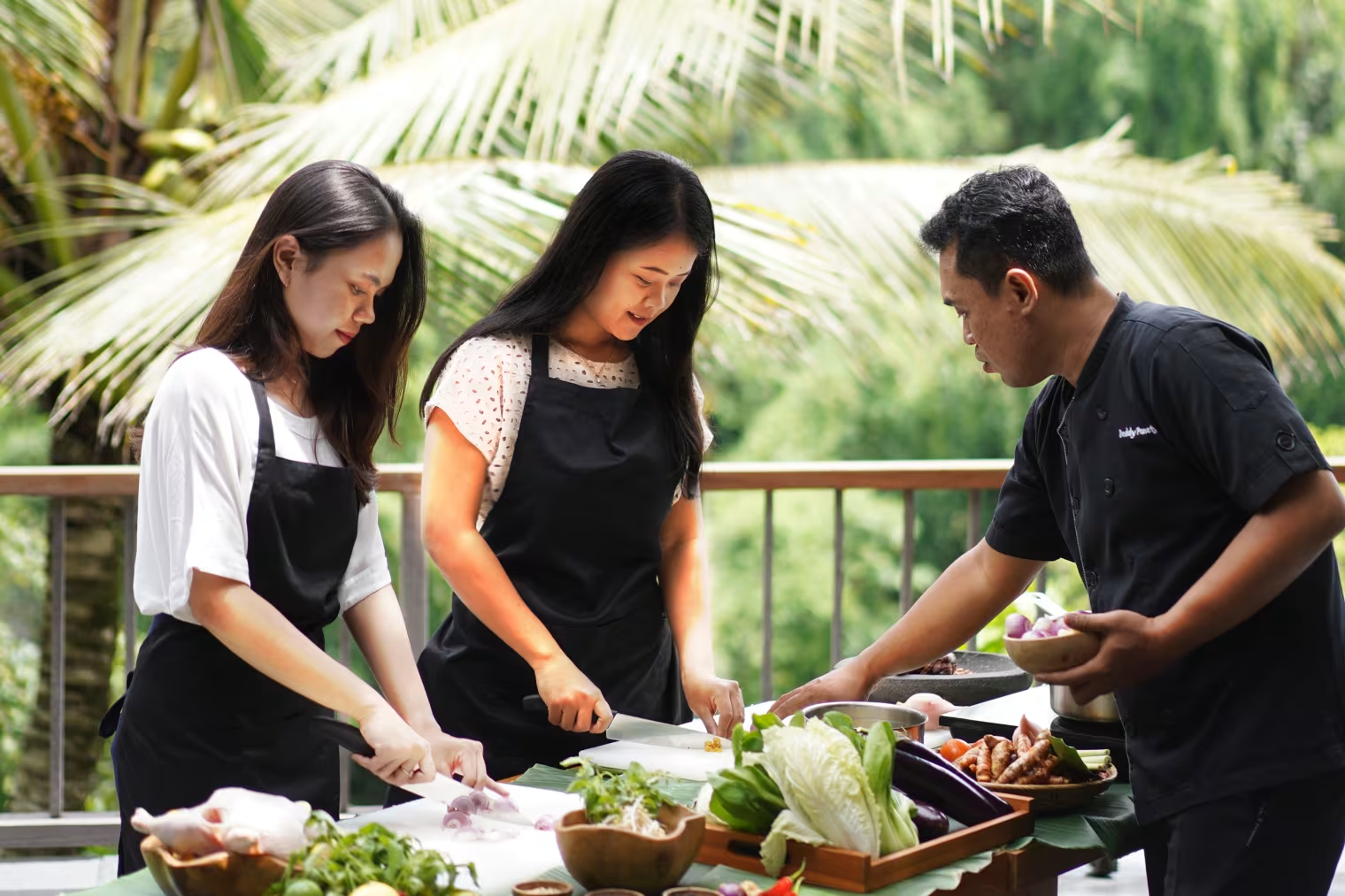
Some food tours in Barcelona offer a more hands-on experience, combining a cooking class with a market visit. Travelers often start by exploring a market with a local chef, learning how to choose the freshest seafood, vegetables, and spices. Afterward, they move to a kitchen studio to prepare traditional dishes such as paella, crema catalana, or fideuà.
These experiences give travelers the chance to step into the shoes of a Catalan cook. Instead of just tasting dishes, they learn the techniques behind them. For many, cooking together with locals becomes one of the most authentic cultural experiences of their trip.
4. Craft Beer and Artisan Food Tour
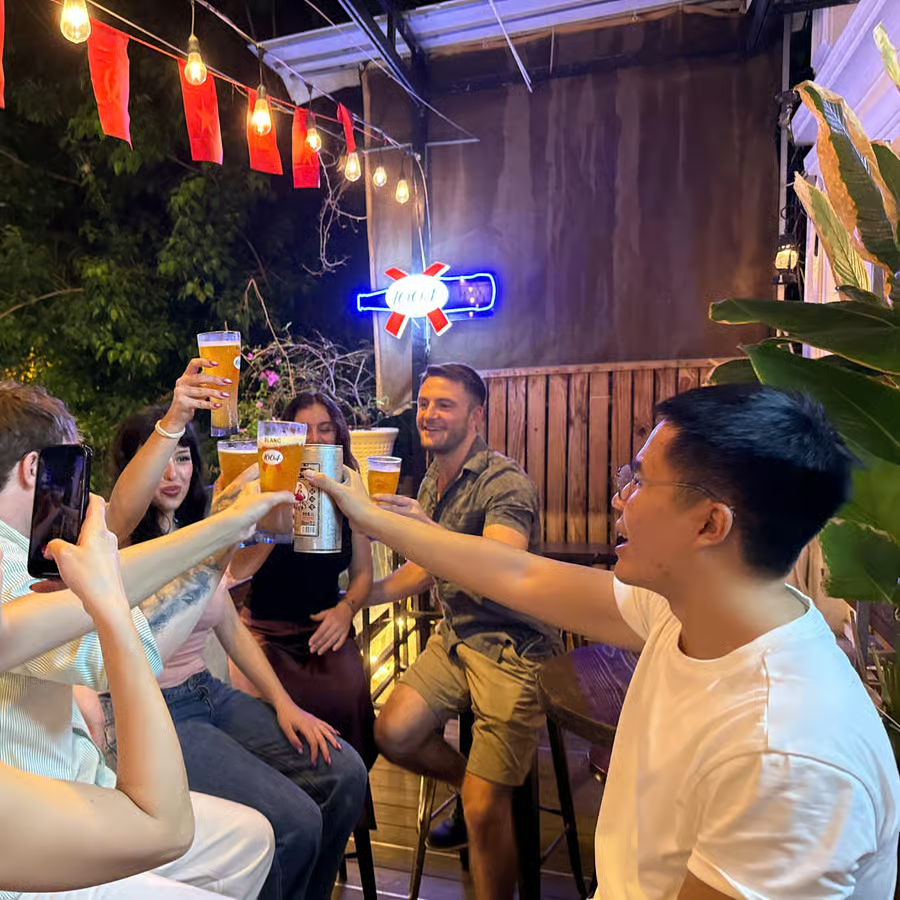
Barcelona is also home to a growing craft beer movement, making Craft Beer and Artisan Food Tours an exciting option for travelers seeking something different. These tours highlight microbreweries and local food pairings, such as Iberian meats, cheeses, and seafood.
Guides often explain how Barcelona’s beer scene has evolved, merging international brewing styles with Mediterranean flavors. Travelers who join this type of tour discover another side of the city’s culinary identity, beyond traditional tapas and wines.
The Benefits of Food Tours in Barcelona
Food tours offer more than just meals. They enrich travel experiences in ways that independent dining often cannot.
-
Cultural Immersion: By joining a food tour, travelers gain firsthand insights into Catalan traditions, food rituals, and community values.
-
Local Expertise: Guides provide insider knowledge, revealing places you would not discover on your own.
-
Unique Tastings: Tours often include access to family-owned establishments, hidden taverns, and markets that reflect authentic Barcelona cuisine.
-
Connection with Locals: Many tours encourage interaction with chefs, vendors, and winemakers, allowing travelers to form human connections alongside culinary ones.
-
Educational Experience: Beyond tasting, participants learn about history, sustainability, and the role of food in Catalan identity.
Real-Life Use Cases of Food Tours in Barcelona
Enhancing First-Time Visits
For first-time visitors, a food tour offers a structured introduction to Barcelona. Instead of wandering, travelers are guided through neighborhoods, learning about history, culture, and cuisine all at once.
Solving the “Where to Eat?” Dilemma
One of the biggest challenges in a city filled with endless restaurants is deciding where to eat. Food tours eliminate this stress by curating a journey through the city’s best spots.
Bringing People Together
Food tours are social experiences. Solo travelers often find them a great way to meet others, while families and groups of friends use them as bonding activities.
Supporting Sustainable Travel
By choosing food tours that highlight local businesses, travelers directly support small vendors and traditional food makers, helping preserve Barcelona’s culinary heritage.
Frequently Asked Questions
Q1. Are food tours in Barcelona suitable for vegetarians or vegans?
Yes, many food tours offer vegetarian and even vegan-friendly options. It is best to notify the tour provider in advance to ensure they can accommodate dietary needs.
Q2. How long do food tours in Barcelona usually last?
Most tours last between 3 to 4 hours, depending on the format. Cooking classes may take longer since they include both a market visit and hands-on cooking.
Q3. Do food tours in Barcelona include drinks like wine or beer?
Many tours include drink pairings, such as regional wines, cava, or craft beer. However, the offerings depend on the type of tour chosen.