Michelin Star Dining Experiences A Complete Guide to Culinary Excellence
Michelin star dining experiences represent the highest recognition in the world of gastronomy. They go beyond simply enjoying a meal; they offer a carefully curated culinary journey that blends creativity, skill, and artistry. A Michelin star signifies quality, consistency, and innovation, making it one of the most prestigious awards a restaurant can achieve.
At its core, a Michelin-star dining experience is not just about food-it’s about storytelling. From the way ingredients are sourced to how dishes are plated, and even the ambiance of the dining room, every detail is meticulously crafted. This creates an immersive journey where guests savor flavors that can only be described as extraordinary.
For many food enthusiasts, experiencing a Michelin-starred restaurant is a milestone. It’s about more than the meal; it’s about connecting with culinary traditions, innovation, and the vision of world-class chefs.
The Origins and Prestige of the Michelin Guide
The Michelin Guide was originally launched by the Michelin tire company in France in 1900, intended as a travel guide for motorists. Over time, its anonymous reviews of restaurants became the gold standard for dining. By 1926, the first star system was introduced, with the three-star system evolving by 1931.
-
One Star: A very good restaurant in its category.
-
Two Stars: Excellent cooking worth a detour.
-
Three Stars: Exceptional cuisine worth a special journey.
This simple yet powerful rating system transformed the culinary world. Restaurants aspire to earn a Michelin star because it validates their commitment to excellence, innovation, and service. For diners, it signals trust-a promise of an unforgettable experience.
Key Elements of Michelin Star Dining Experiences
A Michelin-starred restaurant delivers more than exceptional dishes. Several elements combine to make the experience extraordinary:
Culinary Innovation and Precision
Chefs at Michelin-starred restaurants are masters of technique and innovation. They constantly push the boundaries of flavor combinations, cooking methods, and presentation. Every plate tells a story, and every bite reveals layers of thought and creativity.
Atmosphere and Ambiance
The setting of a Michelin-star dining experience is designed to complement the food. Elegant interiors, curated lighting, and personalized service enhance the sensory journey. It’s a balance between comfort and sophistication, where every guest feels both valued and inspired.
Attention to Detail
From handcrafted plates to the timing of each course, no detail is overlooked. Even the sequence of flavors is intentional, ensuring that the palate experiences a symphony of tastes and textures. This precision distinguishes Michelin-star dining from ordinary fine dining.
Real-World Michelin Star Dining Experiences
To better understand what makes these dining journeys remarkable, let’s explore some real-world examples of Michelin-starred restaurants that embody excellence.
1. The French Laundry – California, USA

The French Laundry, led by renowned chef Thomas Keller, is one of the most iconic three-Michelin-star restaurants in the United States. Known for its French-inspired cuisine, it offers a tasting menu that changes daily, featuring locally sourced ingredients from the restaurant’s own gardens.
What makes The French Laundry unique is its meticulous balance between tradition and innovation. For many, dining here is not just a meal but a pilgrimage into the heart of modern gastronomy.
2. Osteria Francescana – Modena, Italy
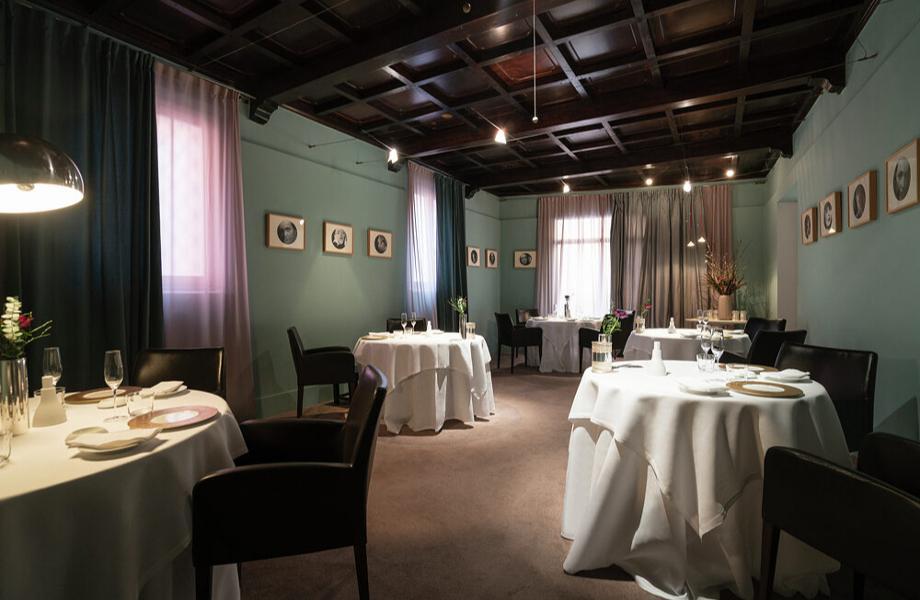
Run by visionary chef Massimo Bottura, Osteria Francescana has been awarded three Michelin stars and ranked among the world’s best restaurants. Bottura combines Italian culinary heritage with contemporary art and philosophy, resulting in dishes that are both playful and profound.
For example, his reinterpretation of traditional Italian classics, such as Oops! I Dropped the Lemon Tart” demonstrates how storytelling and creativity elevate a dish beyond taste alone.
3. Narisawa – Tokyo, Japan
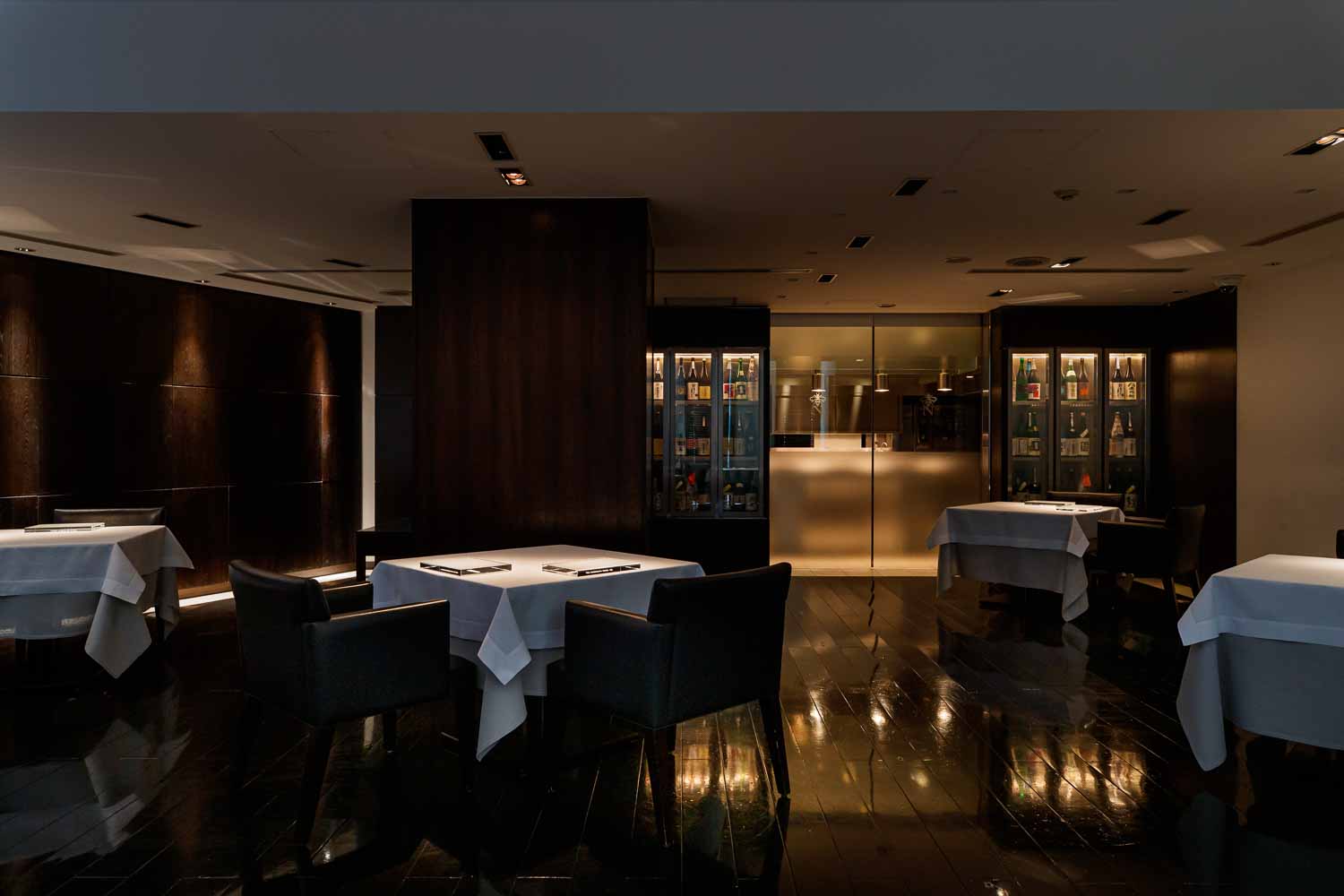
Narisawa, helmed by Chef Yoshihiro Narisawa, has earned two Michelin stars for its unique blend of Japanese ingredients and French techniques. Known for his dedication to sustainability and natural elements, the restaurant showcases dishes that reflect Japan’s seasons and landscapes.
A signature experience at Narisawa includes dishes that evoke nature itself, such as “Soil Soup,” which symbolizes the harmony between humans and the environment. This philosophy resonates deeply with diners who appreciate food that connects them to culture, nature, and sustainability.
4. Alain Ducasse au Plaza Athénée – Paris, France
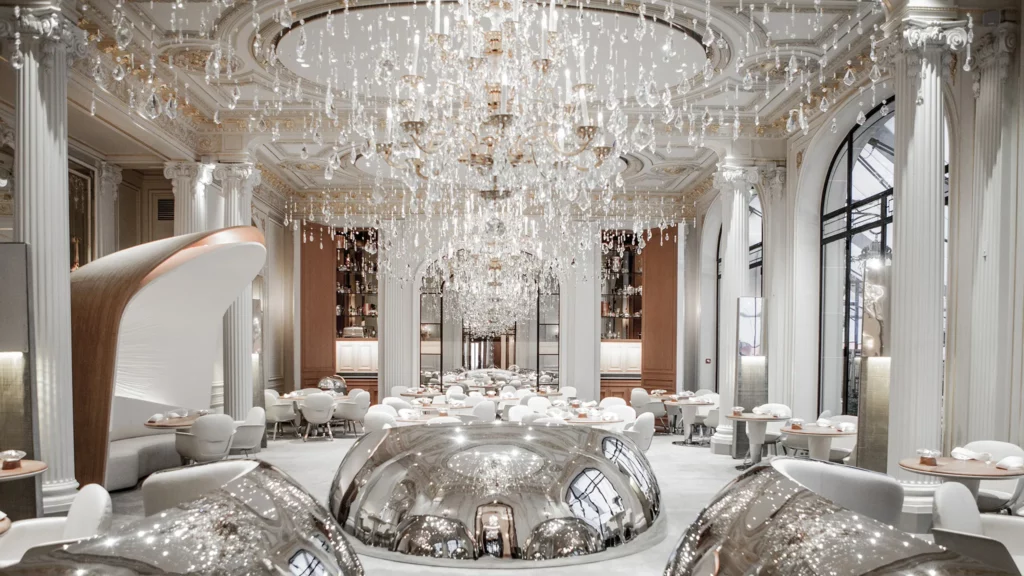
Alain Ducasse is one of the most celebrated chefs in the world, and his three-star restaurant in Paris epitomizes luxury and innovation. The menu focuses on naturalness, with dishes centered around fish, vegetables, and grains, prepared with unmatched finesse.
The dining room itself is an experience-sparkling chandeliers, refined décor, and flawless service make the setting as remarkable as the cuisine. Here, dining is a holistic sensory journey that blends culinary art with Parisian elegance.
Benefits of Michelin Star Dining Experiences
Michelin star dining goes beyond indulgence; it provides unique benefits that elevate it from ordinary meals to transformative experiences.
Cultural Exploration
Each Michelin-starred restaurant reflects the traditions and innovations of its culture. Dining in Tokyo, Paris, or California allows guests to immerse themselves in culinary heritage while discovering new interpretations of flavors.
Inspiration and Education
Guests leave Michelin restaurants not just full but inspired. These experiences showcase creativity and innovation, teaching diners about ingredients, sustainability, and the artistry of cooking.
Memorable Celebrations
Many people choose Michelin-star dining for milestone events such as anniversaries or birthdays.
Elevated Standards in Hospitality
The service at Michelin-starred restaurants sets the global standard for hospitality. From precise timing to personalized attention, it teaches guests what excellence in dining truly means.
Use Cases: Why Michelin Star Dining Experiences Matter in Real Life
Celebrating Life’s Milestones
A Michelin-star dining experience is often chosen for life’s most meaningful celebrations-engagements, anniversaries, or professional milestones. The rarity and exclusivity of the experience make it unforgettable.
Experiencing Culinary Tourism
Travelers increasingly seek destinations not just for landmarks but for food. Michelin-starred restaurants have become destinations in themselves, drawing visitors from across the globe.
Expanding Culinary Knowledge
For aspiring chefs and food enthusiasts, dining at a Michelin-starred restaurant provides firsthand insight into techniques, creativity, and presentation. It’s a practical form of education, where every dish teaches something new.
Inspiring Sustainability and Conscious Eating
Many Michelin-starred chefs prioritize sustainability, sourcing local ingredients, and minimizing waste. Diners gain awareness of these practices, inspiring them to adopt more conscious approaches in their own lives.
Frequently Asked Questions
Q1. What makes a Michelin-star dining experience different from regular fine dining?
Michelin star dining emphasizes extraordinary quality, creativity, and precision. Fine dining may offer elegance, but Michelin stars guarantee global recognition of excellence.
Q2. Are Michelin-starred restaurants only for luxury travelers?
While Michelin star restaurants are often considered luxury experiences, many offer a range of pricing options, especially those with one star. The essence lies in quality and creativity, not just exclusivity.
Q3. How do Michelin inspectors decide which restaurants receive stars?
Michelin inspectors dine anonymously and evaluate restaurants based on consistency, quality of ingredients, mastery of techniques, creativity, and value.