Multi Day Trekking Tours The Complete Guide for Adventure Enthusiasts
Multi-day trekking tours are extended hiking journeys that last more than one day, often stretching across several days or even weeks. Unlike short hikes, these treks combine physical endurance, exploration of nature, and cultural immersion. Trekkers camp along the route or stay in lodges, experiencing both wilderness and local communities.
These tours are designed for people who want a deeper connection with landscapes, wildlife, and remote destinations. They are not simply about reaching a destination but about embracing the journey, adjusting to nature’s rhythm, and learning patience and resilience. For many, multi-day treks are a transformative experience that brings clarity and a sense of accomplishment.
Why Multi-Day Trekking Tours are Popular
Multi-day trekking tours appeal to adventurers worldwide because they provide a balance of physical challenge, scenic beauty, and cultural discovery. Unlike single-day hikes, these treks allow travelers to cover longer distances and witness changing landscapes from valleys to peaks.
The popularity also stems from the opportunity to disconnect from modern distractions. Spending days in nature without constant digital interruptions helps trekkers focus on mindfulness, teamwork, and the simplicity of outdoor living.
Essential Aspects of Multi-Day Trekking Tours
Physical Preparation and Training
A successful trekking tour requires stamina. Since the routes often involve long ascents, uneven paths, and variable weather, physical conditioning is essential. Preparing with regular cardio, strength training, and practice hikes improves endurance.
Moreover, mental resilience is equally important. The combination of fatigue, altitude, and unpredictable conditions can be challenging. Trekkers who prepare mentally often find it easier to adapt to the demands of the trail.
Gear and Equipment
A well-packed trekking backpack can make or break the experience. Essentials include:
-
A durable backpack with ergonomic support
-
Quality trekking boots with ankle protection
-
A hydration system or reusable bottles
-
Weather-appropriate clothing (layers for cold and breathable fabrics for heat)
-
Sleeping gear, such as lightweight tents or sleeping bags
The goal is to carry the necessary items without overpacking. Each gram matters when you walk for days. Choosing lightweight but reliable gear ensures comfort and safety.
Accommodation and Meals
Accommodation depends on the trekking region. Some treks offer established mountain huts or lodges, while others require campers to set up tents each night. Meals can range from hot dishes provided at lodges to self-prepared meals cooked with portable stoves.
Food is not only about energy but also morale. Nutritious, high-calorie meals help trekkers maintain strength and recover after each day’s walk.
Real-World Examples of Multi-Day Trekking Tours
1. Everest Base Camp Trek, Nepal
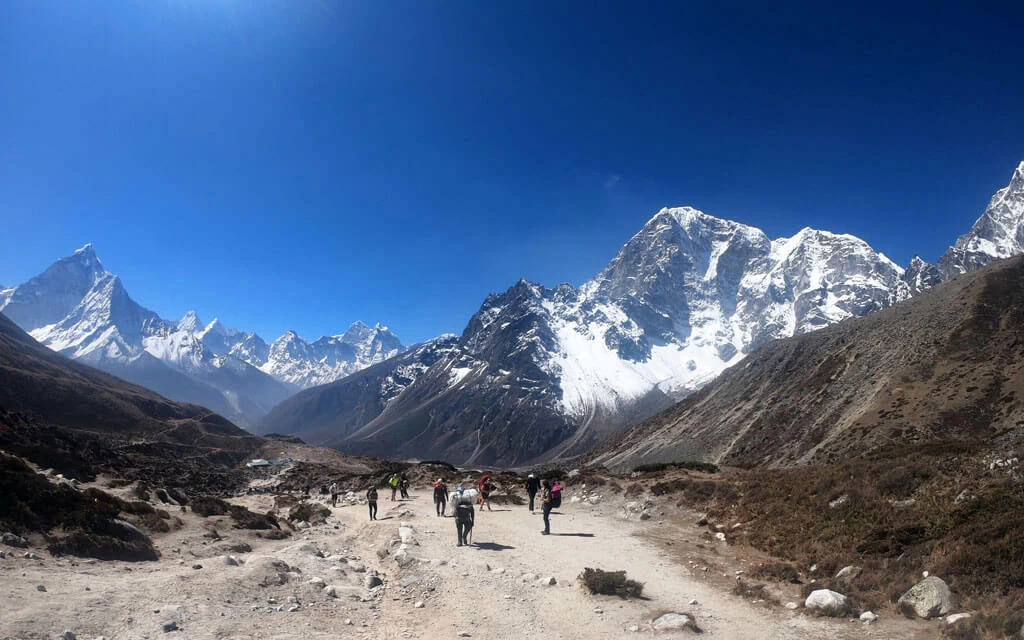
The Everest Base Camp trek is one of the most iconic multi-day trekking tours in the world. Typically lasting 12-14 days, it takes adventurers through Sherpa villages, Buddhist monasteries, and breathtaking mountain views.
The trek requires acclimatization to altitude, as it reaches elevations over 5,000 meters. Beyond physical challenge, it offers cultural insights into Sherpa traditions. Trekkers often describe this journey as both spiritual and physically demanding.
2. Torres del Paine W Trek, Chilean Patagonia
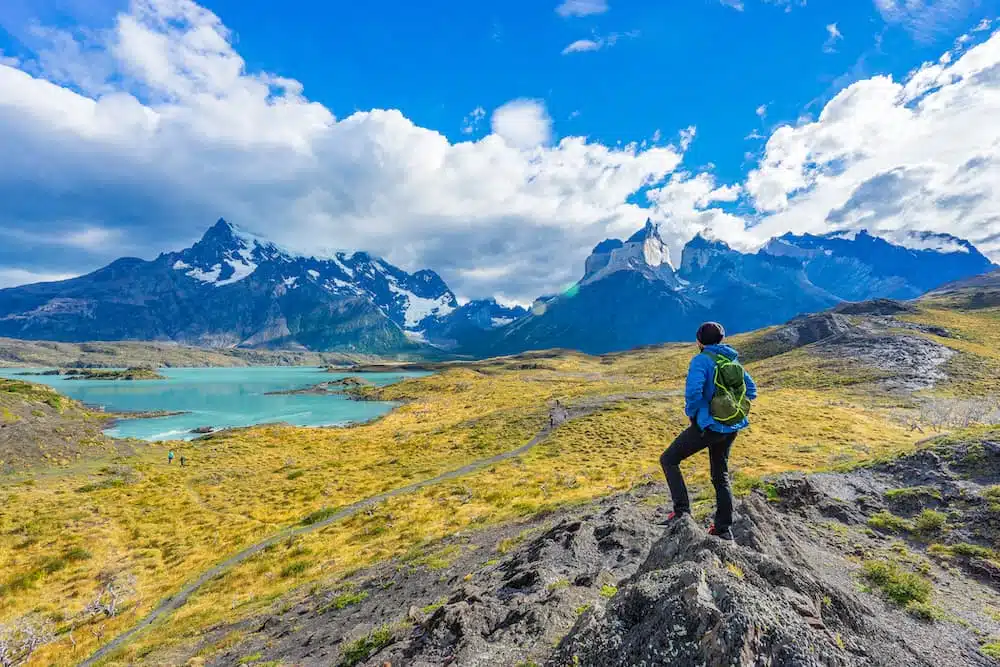
The W Trek in Torres del Paine National Park is a five-day adventure showcasing glaciers, lakes, and jagged mountain peaks. It is named after the “W” shape formed by its trail network.
This trek is celebrated for its variety-one day you hike past sparkling lakes, the next day you might face dramatic glaciers. With designated campsites and refugios (lodges), it balances wilderness with accessible infrastructure.
3. Inca Trail to Machu Picchu, Peru
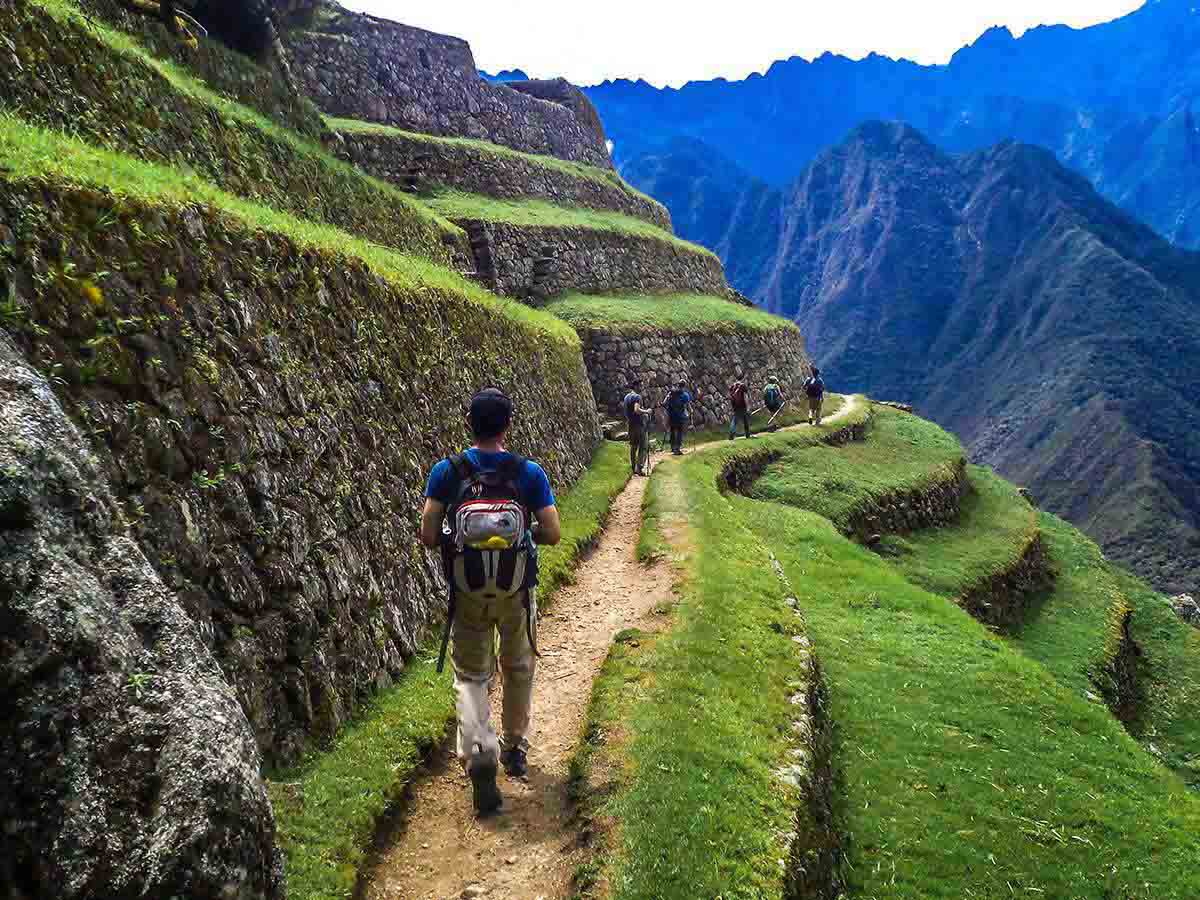
The Inca Trail is a four-day trek leading to the ancient city of Machu Picchu. Along the way, trekkers encounter archaeological ruins, cloud forests, and Andean mountain passes.
This trek is not only physically demanding but also historically rich. Walking along the same paths as the ancient Incas adds depth to the adventure. Arriving at Machu Picchu at sunrise after days of hiking is often described as unforgettable.
4. Annapurna Circuit, Nepal
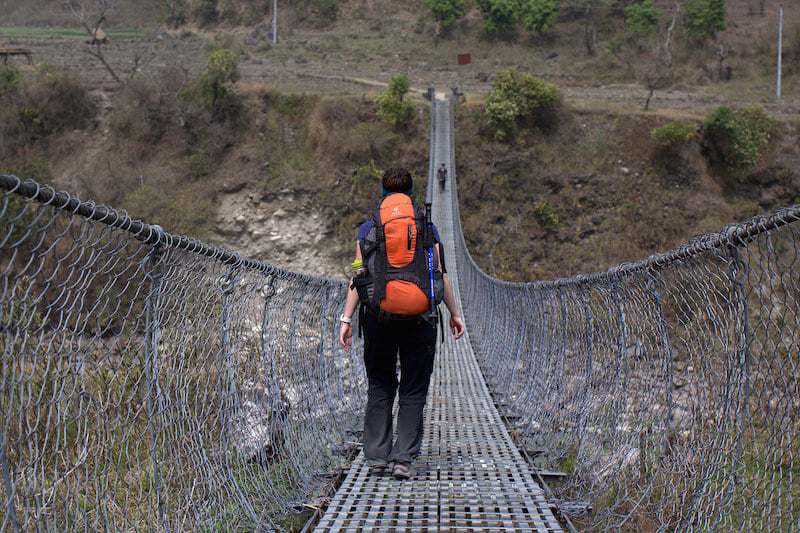
The Annapurna Circuit is another multi-day trek in Nepal, lasting 12–20 days depending on the route. It circles the Annapurna massif, passing through villages, river valleys, and high mountain passes.
Trekkers experience diverse environments, from subtropical forests to snowy passes. Cultural diversity is also notable, as the route traverses different ethnic communities, offering insight into Nepal’s heritage.
Benefits of Multi-Day Trekking Tours
Multi-day trekking tours provide benefits that go beyond physical exercise. They promote holistic well-being and personal growth.
Physical Health Benefits
Extended trekking improves cardiovascular health, strengthens muscles, and enhances lung capacity. Carrying a pack, climbing steep trails, and walking long distances contribute to endurance and stamina.
Unlike gym workouts, trekking combines exercise with fresh air and natural environments, which is healthier for both body and mind.
Mental and Emotional Benefits
Nature immersion reduces stress and anxiety. Trekking for multiple days encourages mindfulness, as trekkers focus on each step and the beauty around them. It also fosters resilience by teaching how to adapt to challenges.
The sense of achievement after completing a demanding trek is profound. It boosts confidence and creates lasting positive memories.
Social and Cultural Connections
Multi-day treks often involve group travel. Teamwork builds camaraderie, and sharing the challenges of the trail creates strong bonds. Additionally, interacting with local communities along the route enriches cultural understanding.
Use Cases: How Multi-Day Trekking Tours Solve Real-Life Needs
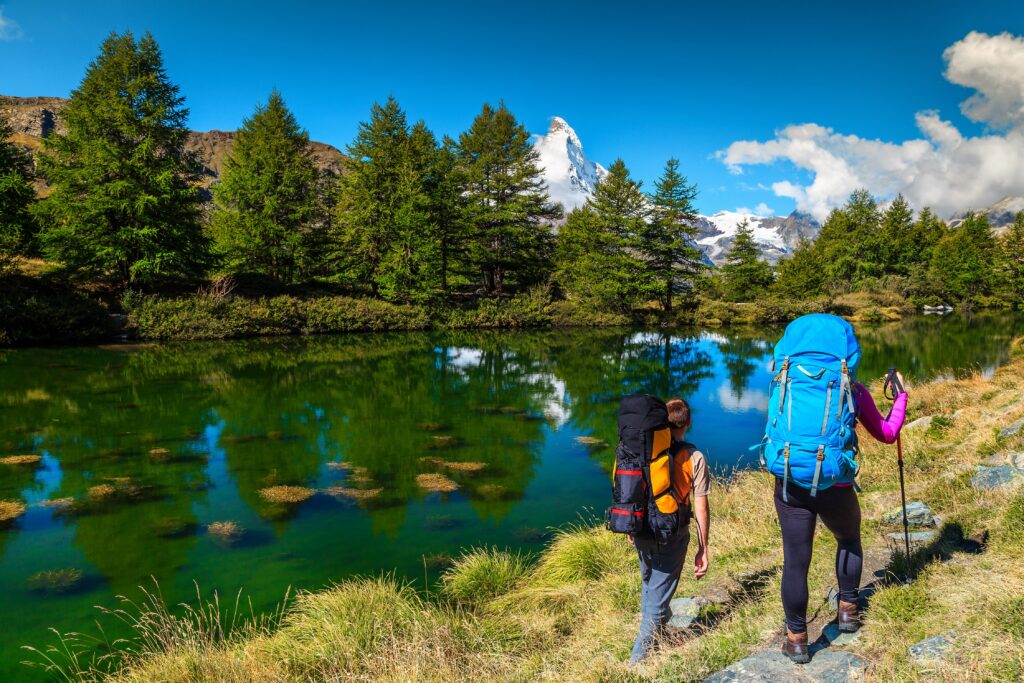
Use Case 1: Personal Growth and Resilience
People seeking personal transformation often choose multi-day trekking tours. The endurance and challenges faced during the journey build resilience and self-belief, which can be applied to everyday life challenges.
Use Case 2: Disconnecting from Digital Overload
In a world dominated by screens, multi-day treks offer a chance to unplug. Spending days without Wi-Fi allows participants to reconnect with nature, reduce stress, and improve mental clarity.
Use Case 3: Group Bonding and Team Building
Families, friends, or even corporate teams use multi-day trekking tours as bonding experiences. Working together to navigate trails and support one another builds stronger relationships.
Use Case 4: Cultural Discovery
For those interested in learning about different cultures, multi-day treks in regions like Nepal or Peru provide immersive exposure to traditions, food, and local lifestyles that short trips cannot match.
Frequently Asked Questions
Q1. Do I need prior trekking experience for a multi-day trek?
Not always. Many treks are beginner-friendly if participants prepare physically. However, some routes, especially high-altitude treks, require prior experience.
Q2. How do I manage food and water on long treks?
Food can be carried or arranged at lodges along popular routes. Water should always be purified using tablets, filters, or boiling to prevent illness.
Q3. What is the biggest challenge in multi-day trekking tours?
Challenges vary but commonly include physical exhaustion, unpredictable weather, and altitude sickness. Proper preparation and acclimatization can help mitigate these risks.