Must Visit Temples in Kyoto A Complete Cultural Guide
Must-Visit Temples in Kyoto, Japan’s former imperial capital, are renowned for their timeless temples, serene gardens, and spiritual heritage. With over 1,600 Buddhist temples scattered across the city, it’s no wonder Kyoto is considered the cultural heart of Japan. For travelers, historians, and seekers of peace, the temples of Kyoto are more than just places of worship-they are living testaments of Japanese history, artistry, and spirituality.
In this guide, we will uncover the must-visit temples in Kyoto, their significance, what makes each one unique, and how they enrich both culture and personal experience.
Why Kyoto’s Temples are Globally Renowned
Kyoto’s temples are not just architectural wonders-they serve as cultural and spiritual anchors of Japan. From towering wooden structures to Zen rock gardens, each temple tells a story of faith, tradition, and artistry.
For centuries, Kyoto has been a pilgrimage destination. Visitors are drawn not only to the temples’ religious importance but also to their role in shaping Japanese aesthetics through calligraphy, tea ceremonies, garden design, and meditation practices.
Exploring Kyoto’s temples means stepping into a world where spirituality and culture merge seamlessly.
Kiyomizu-dera – Kyoto’s Iconic Wooden Temple
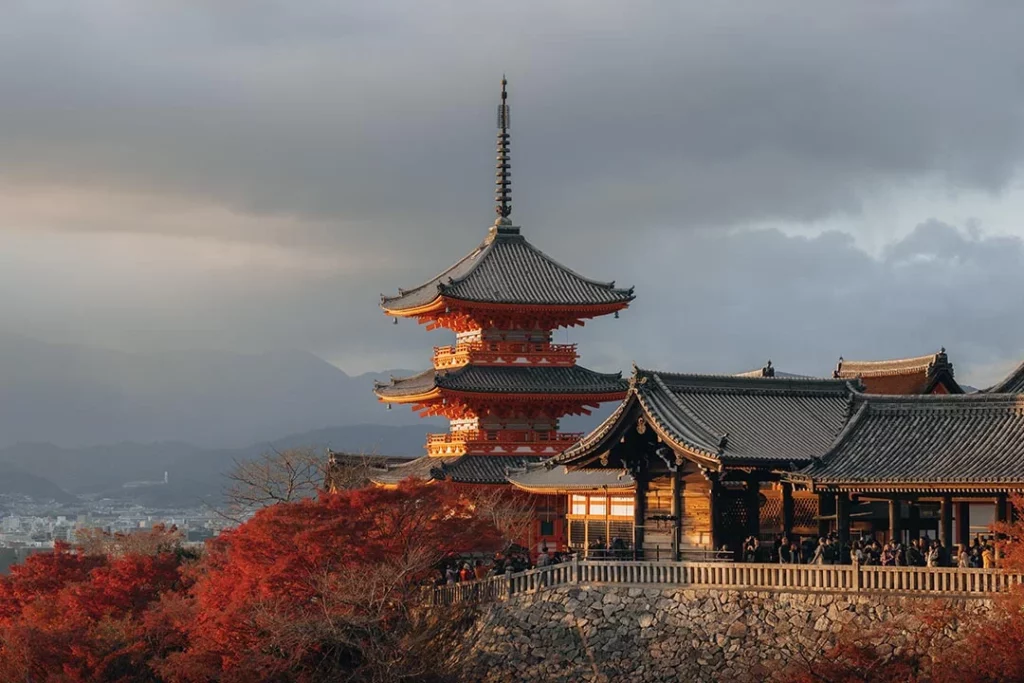
Perched on the hillside of Higashiyama, Kiyomizu-dera is one of Kyoto’s most famous temples. Built without the use of nails, its grand wooden stage overlooks cherry blossoms in spring and vibrant maple leaves in autumn.
Founded in 778, Kiyomizu-dera is dedicated to Kannon, the Goddess of Mercy. Must-Visit Temples in Kyoto. The temple is not only an architectural marvel but also a place where visitors come to pray for love, success, and happiness. The Otowa Waterfall at the base of the temple offers three separate streams, each said to bring blessings: longevity, academic success, or a prosperous love life.
Walking through Kiyomizu-dera provides an immersive cultural experience, blending spirituality with breathtaking natural scenery.
Kinkaku-ji – The Golden Pavilion
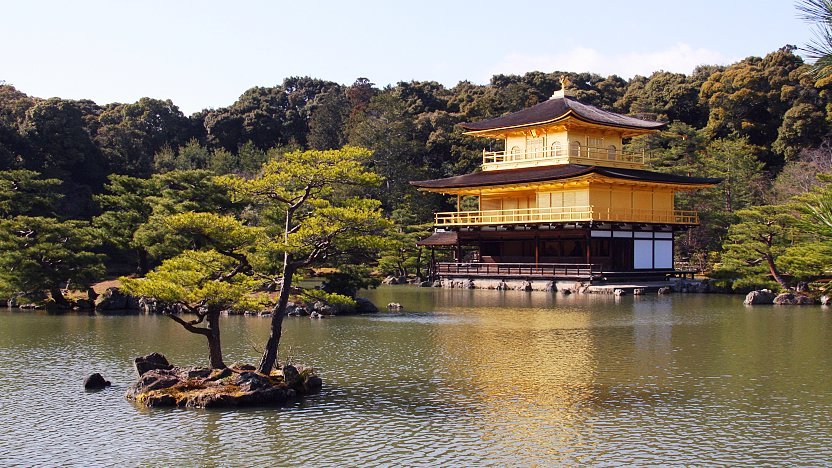
One of the most striking temples in Kyoto is Kinkaku-ji, or the Golden Pavilion. Its top two floors are covered in shimmering gold leaf, reflecting beautifully in the surrounding pond. Originally built as a shogun’s villa in the 14th century, it later became a Zen temple.
The Golden Pavilion is not only visually stunning but symbolically powerful. Each level represents a different style of architecture-samurai, aristocratic, and Zen Buddhist. Its meticulously landscaped gardens embody the harmony between human design and nature, a central concept in Japanese philosophy.
Kinkaku-ji is more than just a tourist attraction’s a meditation on beauty, impermanence, and reflection.
Ginkaku-ji – The Silver Pavilion
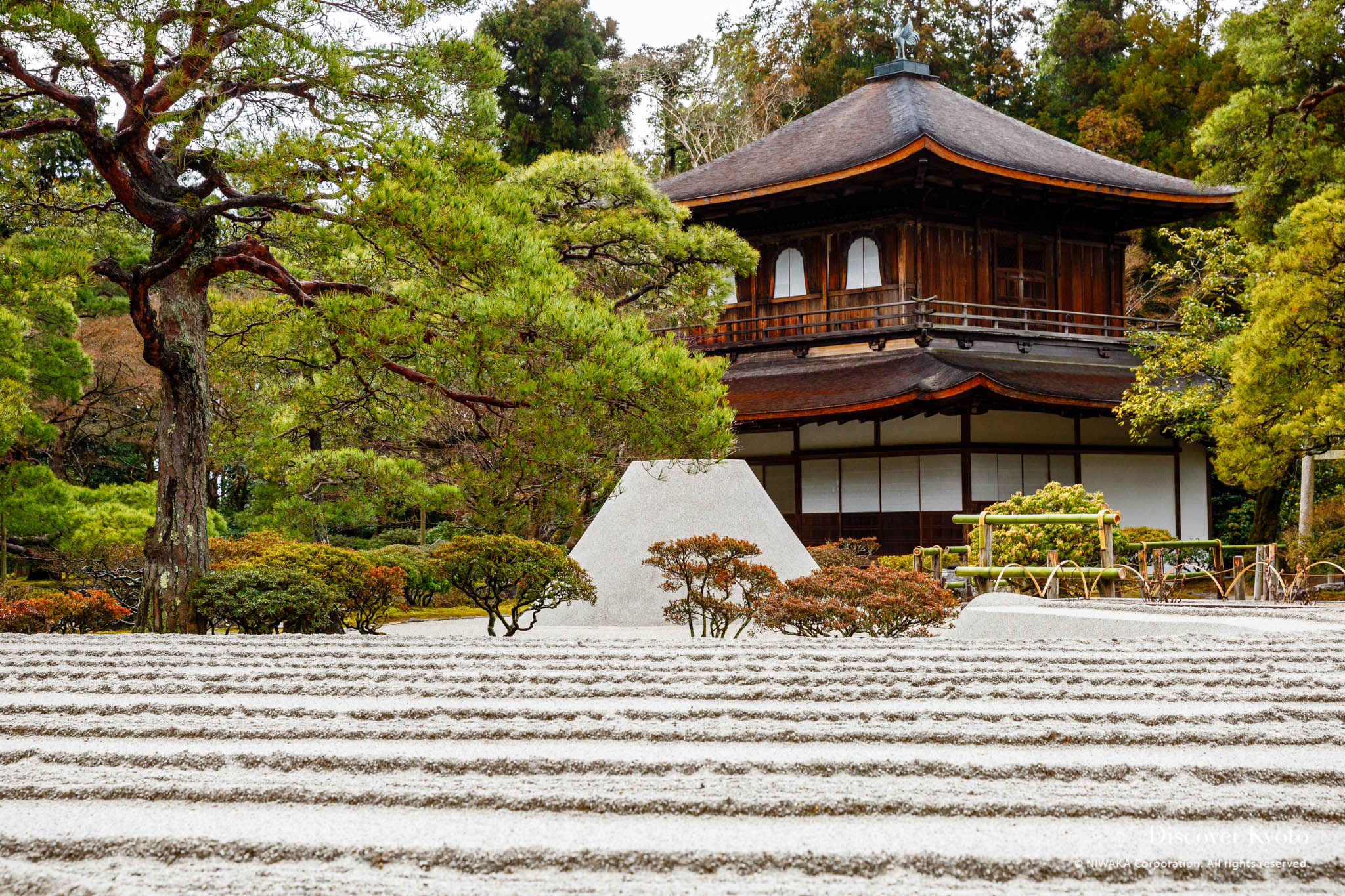
Contrasting with Kinkaku-ji, Ginkaku-ji, or the Silver Pavilion, is a subtler, more meditative temple. Built in the 15th century by the shogun Ashikaga Yoshimasa, it was intended to be covered in silver foil, though this plan was never realized. Instead, its wooden simplicity became a symbol of wabi-sabi, the Japanese aesthetic of beauty in imperfection.
The temple is surrounded by a tranquil Zen garden and the famous “Sea of Silver Sand,” a meticulously raked mound of white sand that glows under the moonlight. Visitors can stroll through moss gardens and reflective ponds, experiencing a sense of peace and contemplation.
Ginkaku-ji embodies Kyoto’s quieter, more introspective spiritual side.
Ryoan-ji – Home of the Zen Rock Garden
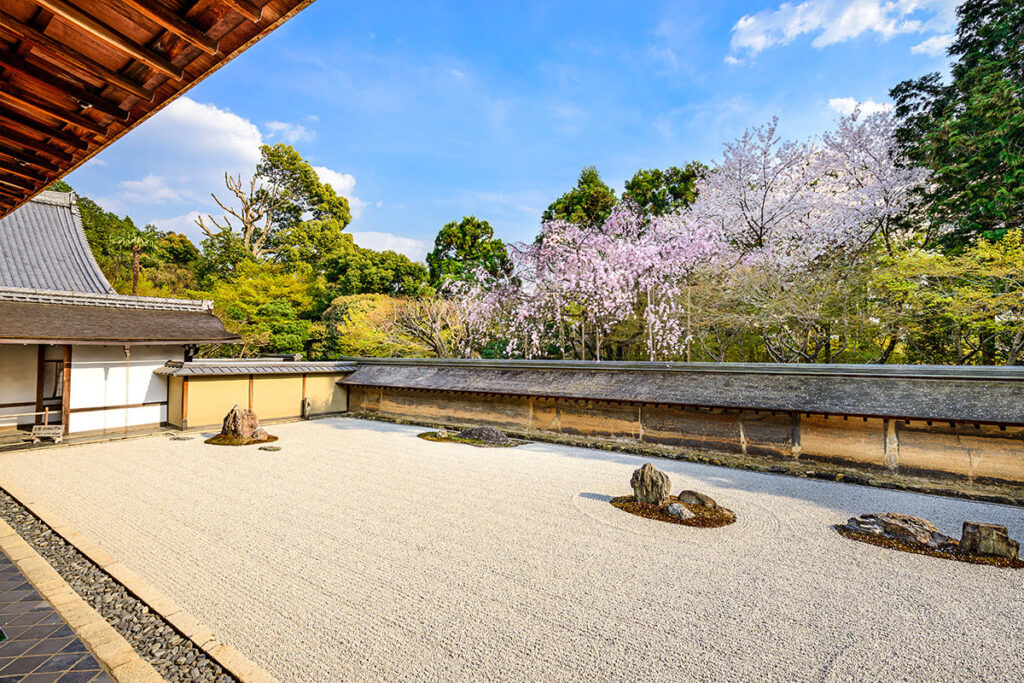
Ryoan-ji is best known for its enigmatic Zen rock garden, considered one of the finest examples of Japanese minimalism. The rectangular garden contains 15 rocks carefully arranged in white gravel, yet no matter where one stands, only 14 are visible.
This design is intentional-it represents the idea that humans can never achieve perfection, a core Buddhist teaching. Visitors sit in silence, contemplating the arrangement and finding personal meaning in the simplicity.
Ryoan-ji demonstrates how temples in Kyoto are not just religious structures but also philosophical experiences.
Fushimi Inari Taisha – The Thousand Torii Gates
While technically a Shinto shrine rather than a Buddhist temple, Fushimi Inari Taisha is often included in any Kyoto temple itinerary due to its global fame. The shrine is dedicated to Inari, the deity of rice and prosperity, and is renowned for its thousands of vermilion torii gates that wind through forested paths up Mount Inari.
Visitors walk through these gates as a symbolic journey toward success and purification. Must-Visit Temples in Kyoto. Along the way, fox statues (messengers of Inari) add to the shrine’s mystical atmosphere.
Fushimi Inari Taisha showcases the deep interconnection between Shinto and Buddhist traditions in Japan.
The Role of Technology in Preserving Kyoto’s Temples
Modern technology has played an essential role in preserving and enhancing the visitor experience at Kyoto’s temples. Advanced 3D scanning is used to digitally preserve architectural details, ensuring historical accuracy for future generations.
Virtual reality (VR) platforms allow global audiences to explore temples without leaving home, while augmented reality (AR) apps enhance on-site visits by providing real-time translations, historical context, and guided tours.
Technology bridges the gap between tradition and modernity, making Kyoto’s spiritual heritage accessible to people worldwide while protecting its delicate structures from overexposure.
Real-World Examples of Temple Experiences
1. Traditional Tea Ceremonies at Ginkaku-ji
Visitors can participate in authentic tea ceremonies held near Ginkaku-ji. These experiences allow participants to understand the spiritual connection between Zen philosophy and Japanese tea culture. The ritualistic preparation and appreciation of tea reflect mindfulness and respect, core principles shared with temple teachings.
2. Zen Meditation at Ryoan-ji
Ryoan-ji offers meditation sessions where visitors sit in silence facing the rock garden. This practice introduces mindfulness, calmness, and clarity skills that can benefit modern life, from reducing stress to improving focus.
3. Guided Walking Tours through Higashiyama
Many guided tours include temple visits in Higashiyama, where travelers explore Kiyomizu-dera, Sanjusangendo, and smaller hidden temples. Such tours give insights into Kyoto’s cultural and spiritual history, blending architectural exploration with storytelling.
4. Augmented Reality Temple Guide Apps
Visitors now use AR-based apps while visiting temples like Kinkaku-ji, providing real-time translations, historical reconstructions, and interactive storytelling. This technology makes the cultural experience more immersive without distracting from its authenticity.
Benefits of Visiting Kyoto’s Must-See Temples
Visiting Kyoto’s temples provides more than aesthetic enjoyment. It allows individuals to:
-
Experience Japanese culture at its most authentic.
-
Learn Buddhist and Shinto philosophies that encourage balance, mindfulness, and respect for nature.
-
Engage in personal reflection in serene environments away from modern distractions.
-
Participate in traditional practices like meditation, calligraphy, and tea ceremonies.
For many, these temples are not just tourist destinations but places of inner growth and healing.
Use Cases: Why Kyoto Temples Matter in Modern Life
-
Stress Relief and Mindfulness
Modern travelers often seek peace from fast-paced lifestyles. Visiting temples like Ryoan-ji or Ginkaku-ji offers practical mindfulness lessons, helping reduce stress and improve mental health. -
Cultural Education
Students, researchers, and historians benefit from Kyoto’s temples as living museums. They embody centuries of art, architecture, and philosophy, providing real-world insights into Japanese history. -
Spiritual Journeys
For many visitors, Kyoto temples serve as pilgrimage sites for prayer, meditation, and self-reflection. Temples like Kiyomizu-dera and Fushimi Inari Taisha give individuals a chance to connect with something greater than themselves.
Frequently Asked Questions
Q1: How many temples are there in Kyoto?
Kyoto has over 1,600 Buddhist temples and more than 400 Shinto shrines, making it one of the most temple-rich cities in the world.
Q2: What is the best time to visit Kyoto’s temples?
Spring (March–April) and autumn (October–November) are the best times, when cherry blossoms or autumn leaves enhance the temple scenery.
Q3: Are Kyoto’s temples free to enter?
Some temples, like Fushimi Inari Taisha, are free, while others, like Kiyomizu-dera and Kinkaku-ji, charge a small entrance fee to support preservation efforts.