Top National Parks to Visit in 2025 A Complete Guide to Nature’s Wonders
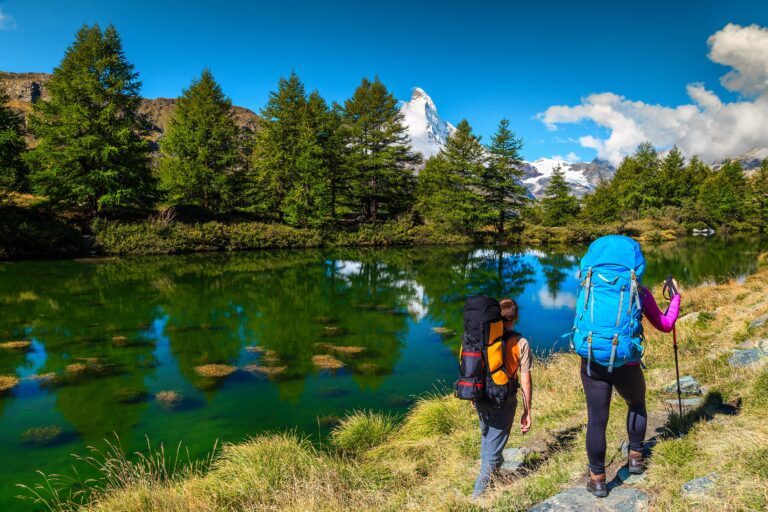
Exploring national parks is one of the most rewarding ways to connect with nature, discover breathtaking landscapes, and experience outdoor adventures. From towering mountains to vast deserts, each park offers a unique glimpse into the natural beauty of our planet. In this guide, we’ll explore the best national parks to visit in 2025, highlight their features, and explain why these destinations are more than just vacation spots-they are living treasures.
Why National Parks Are Worth Visiting
National parks are more than scenic getaways; they are preserved ecosystems that showcase biodiversity, geological wonders, and cultural history. They provide safe havens for endangered species, protect ancient landmarks, and create spaces for people to experience outdoor activities like hiking, camping, and wildlife watching.
Visiting these parks also fosters a sense of environmental responsibility. When travelers see the beauty and fragility of these landscapes, they are more likely to support conservation efforts and sustainable practices. For families, students, and adventurers alike, national parks offer unforgettable learning and bonding experiences.
Iconic National Parks Around the World
1. Yellowstone National Park – The First National Park
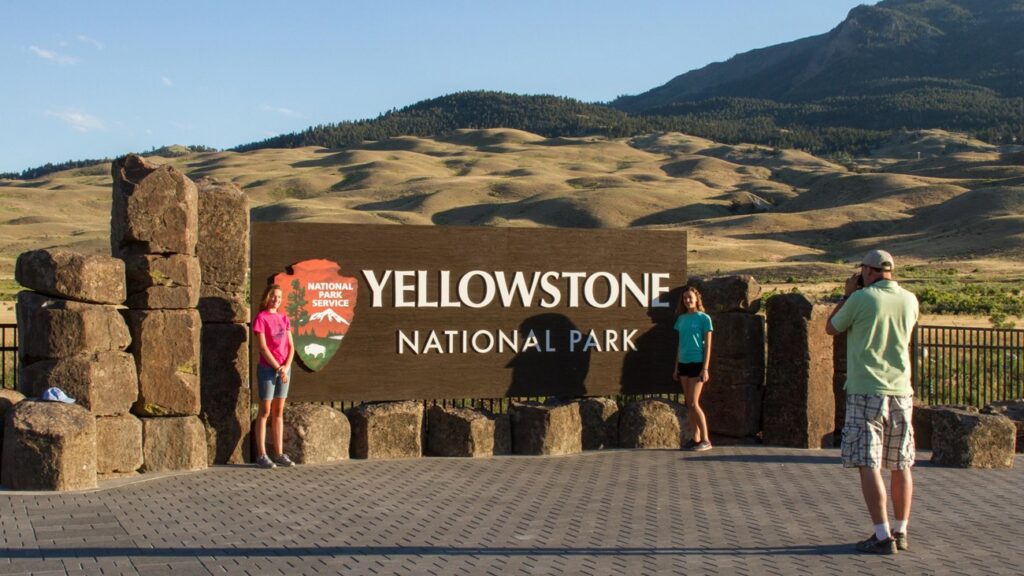
Established in 1872, Yellowstone in the United States is recognized as the first national park in the world. It spans across Wyoming, Montana, and Idaho, covering more than 2.2 million acres of wilderness. Famous for its geothermal features, Yellowstone is home to over 10,000 hot springs, geysers, and mud pots, including the iconic Old Faithful geyser.
Beyond its thermal wonders, Yellowstone offers diverse wildlife sightings. Visitors often encounter bison, elk, wolves, and grizzly bears in their natural habitats. The park is also rich in hiking trails, ranging from short boardwalks to multi-day backcountry treks. Its vast ecosystem makes it an essential destination for both scientists and nature enthusiasts.
2. Banff National Park – Canada’s Alpine Jewel
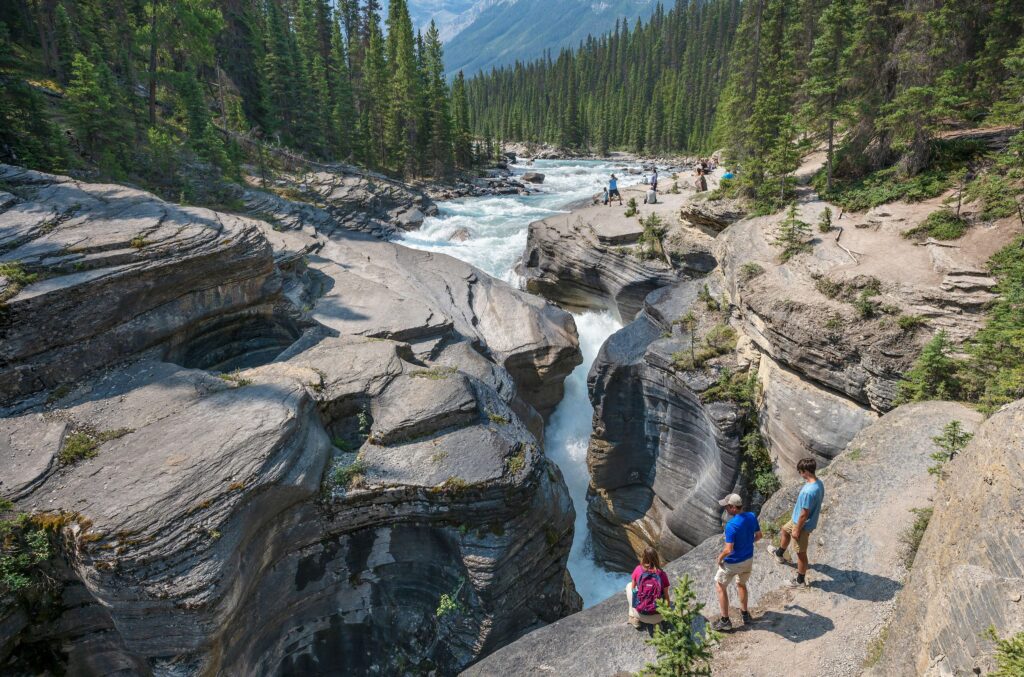
Located in Alberta, Canada, Banff National Park is a stunning display of the Rocky Mountains’ grandeur. Known for its turquoise lakes, glacial peaks, and charming mountain towns, Banff attracts millions of visitors annually. Lake Louise and Moraine Lake are particularly famous for their postcard-like views.
Banff is not just about sightseeing-it’s a year-round destination. In summer, visitors can hike, canoe, or cycle through alpine trails. In winter, the park transforms into a hub for skiing and snowboarding, offering some of the best slopes in North America. Its well-preserved wildlife and breathtaking scenery make Banff a timeless travel experience.
3. Kruger National Park – Africa’s Wildlife Wonderland

Situated in South Africa, Kruger National Park is one of the largest game reserves in the world. Covering nearly 20,000 square kilometers, it is famous for being home to the “Big Five”-lions, elephants, rhinos, leopards, and buffalo. Safari tours in Kruger provide an up-close experience with these magnificent creatures, making it a bucket-list destination for wildlife enthusiasts.
Kruger is also a significant cultural site, with ancient rock art and archaeological sites that trace back to early human civilization. The park combines natural beauty with cultural heritage, offering travelers a rare blend of experiences. For those who want to witness African wildlife in its purest form, Kruger remains unparalleled.
4. Torres del Paine National Park – Patagonia’s Crown Jewel
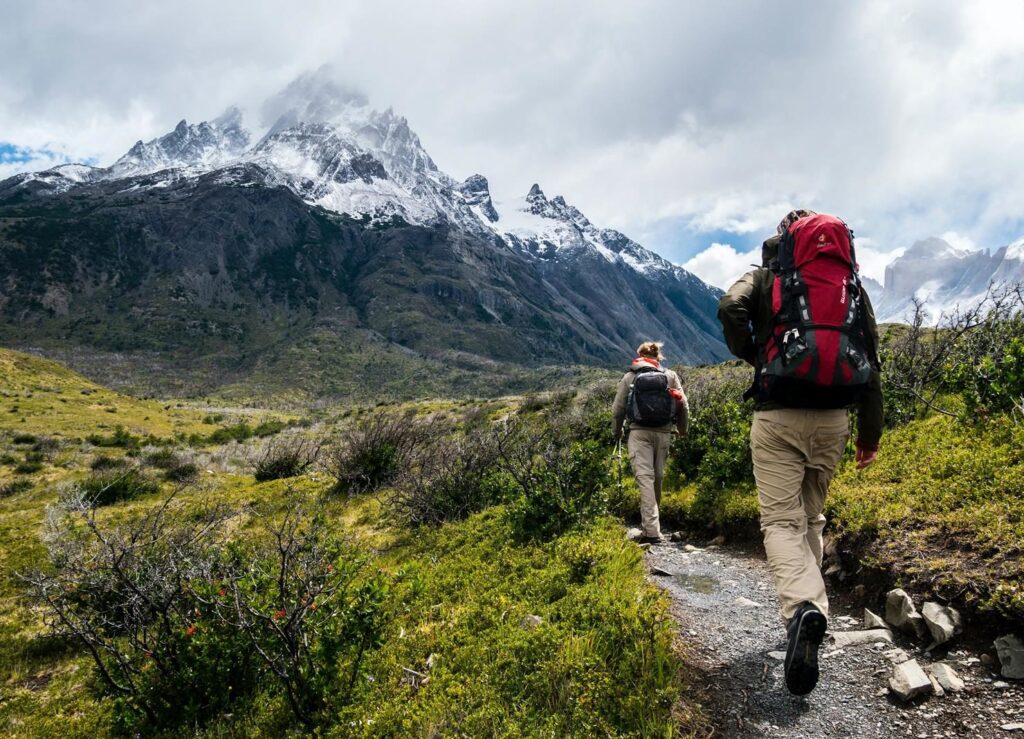
Located in southern Chile, Torres del Paine is renowned for its dramatic landscapes. Towering granite peaks, blue glaciers, and windswept plains make this park one of the most visually striking places on Earth. The park is a hiker’s paradise, offering routes like the famous “W Trek,” which takes travelers through valleys, lakes, and glaciers.
Wildlife in Torres del Paine is just as impressive as its scenery. Visitors may spot guanacos, condors, and even elusive pumas. Its remote setting allows travelers to experience raw, untamed wilderness, making it one of the most adventurous destinations for eco-tourism.
5. Great Barrier Reef Marine Park – An Underwater Paradise

While often thought of as a natural wonder rather than a traditional national park, the Great Barrier Reef Marine Park in Australia is indeed a protected natural reserve. Spanning over 344,000 square kilometers, it is the largest coral reef system in the world. National Parks to Visit. Divers and snorkelers can explore its vibrant underwater ecosystems, filled with thousands of marine species.
Beyond its beauty, the reef plays a critical role in marine conservation. Efforts to preserve the reef highlight the importance of sustainable tourism and global awareness of climate change. Visiting the Great Barrier Reef is not only a breathtaking adventure but also an opportunity to witness the fragility of marine ecosystems.
Benefits of Visiting National Parks
National parks offer numerous benefits beyond recreation. They encourage physical activity through hiking, climbing, or swimming, promoting healthier lifestyles. National Parks to Visit. Spending time in nature has also been linked to reduced stress, improved mental well-being, and greater creativity.
From a social perspective, national parks bring people together. Families bond over camping trips, students learn through field visits, and communities thrive through eco-tourism initiatives that support local economies. Parks also inspire technological innovation, such as sustainable camping gear and wildlife monitoring systems, which enhance visitor experiences while protecting natural habitats.
Real-World Use Cases of National Parks
Visiting national parks isn’t just about sightseeing-it can solve real-life problems and fulfill meaningful purposes.
-
Educational Value: Schools often organize trips to parks like Yellowstone or Banff to help students understand geology, ecology, and climate science. Learning outside the classroom makes education more engaging and impactful.
-
Mental Wellness Retreats: People experiencing burnout often find solace in national parks, where serene landscapes and natural silence provide a healing environment.
-
Adventure Tourism: For thrill-seekers, parks like Torres del Paine offer challenges such as glacier hiking and multi-day treks that build resilience and endurance.
-
Wildlife Conservation Awareness: Parks like Kruger provide real-life exposure to endangered species, helping visitors understand the importance of conservation efforts.
These practical applications show that national parks are not just scenic attractions-they are spaces where people grow, heal, and learn.
Frequently Asked Questions
Q1. What is the best time of year to visit national parks?
The ideal time depends on the park. For example, Yellowstone is best in late spring or early fall to avoid peak crowds, while Banff is stunning both in summer for hiking and in winter for skiing. Always check seasonal conditions before planning your visit.
Q2. Are national parks suitable for family trips?
Yes, most national parks cater to families with accessible trails, guided tours, and educational programs. Children benefit from hands-on learning, while adults enjoy the chance to relax and explore.
Q3. How do national parks contribute to conservation?
National parks protect ecosystems, wildlife, and cultural heritage sites. By preserving these areas, they prevent deforestation, poaching, and environmental damage, ensuring future generations can enjoy natural wonders.