Opera and Theater Shows in Vienna Complete Guide to the City’s Performing Arts
Opera and Theater Shows in Vienna, the cultural capital of Austria, are world-renowned for their deep-rooted traditions in opera and theater. Known as the city of music and drama, Vienna attracts millions of visitors each year who come to experience its world-class performances. From iconic venues such as the Vienna State Opera to historic institutions like the Burgtheater, the city’s stages continue to shape global performing arts.
This article explores the best opera and theater shows in Vienna, their historical significance, notable examples, and the many ways these performances enrich modern society.
The Legacy of Opera in Vienna
Vienna’s reputation as the heart of European opera dates back centuries. With composers like Mozart, Beethoven, and Strauss shaping the city’s cultural identity, opera has become synonymous with Vienna’s soul. Attending an opera show here is not just a performance; it is a journey into history and artistry.
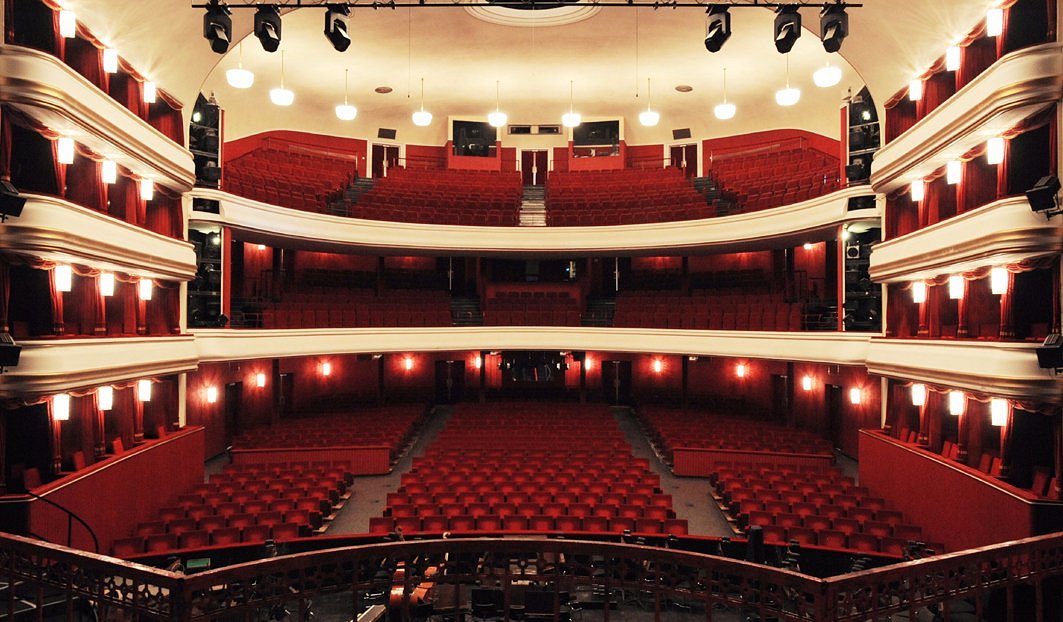
Many of Vienna’s opera houses combine stunning architecture with flawless acoustics, making the experience unforgettable. Visitors can enjoy classic works by Mozart and Wagner, or modern interpretations that bring fresh perspectives to centuries-old masterpieces.
Theater Traditions in Vienna
Alongside opera, theater has long been a defining element of Vienna’s cultural life. The city boasts some of the world’s most influential stages, producing works that range from classical tragedies to contemporary plays. Theater in Vienna is not limited to entertainment-it is a platform for social commentary, political discussion, and artistic experimentation.
The repertoire is vast and includes German classics, Shakespearean dramas, and innovative modern performances. This variety ensures that every visitor finds something that resonates, whether they are seasoned theater enthusiasts or first-time attendees.
Real-World Examples of Iconic Venues
1. Vienna State Opera
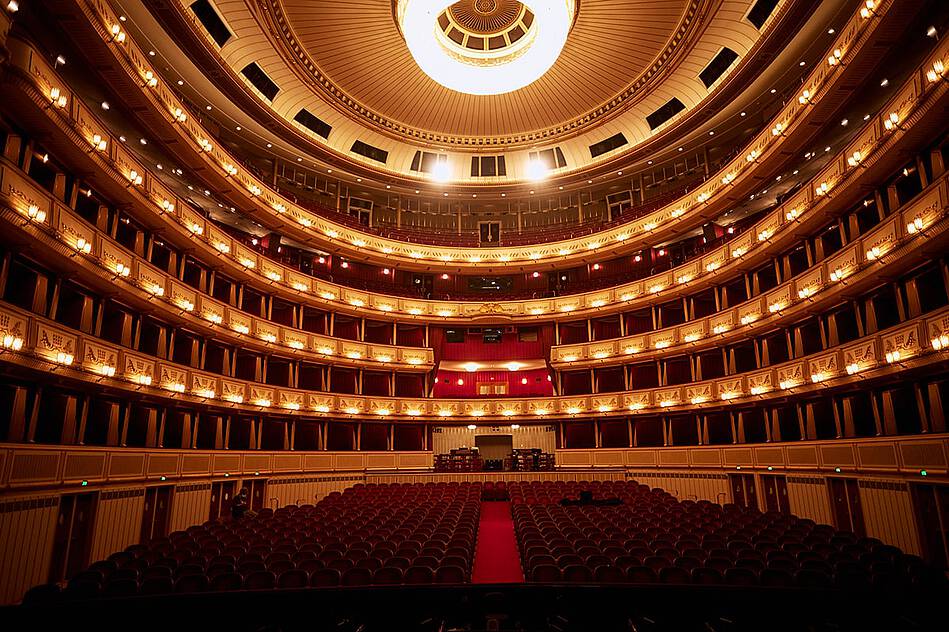
The Vienna State Opera (Wiener Staatsoper) is perhaps the most famous opera house in the world. Opened in 1869 with Mozart’s Don Giovanni, it remains a symbol of Vienna’s musical dominance. The opera house stages over 300 performances annually, including classics by Verdi, Wagner, and Strauss.
What makes this venue extraordinary is its accessibility-every season, affordable standing tickets are offered to make performances open to all audiences. This practice preserves Vienna’s democratic approach to culture, ensuring that opera is not only for the elite but for everyone.
2. Burgtheater Vienna
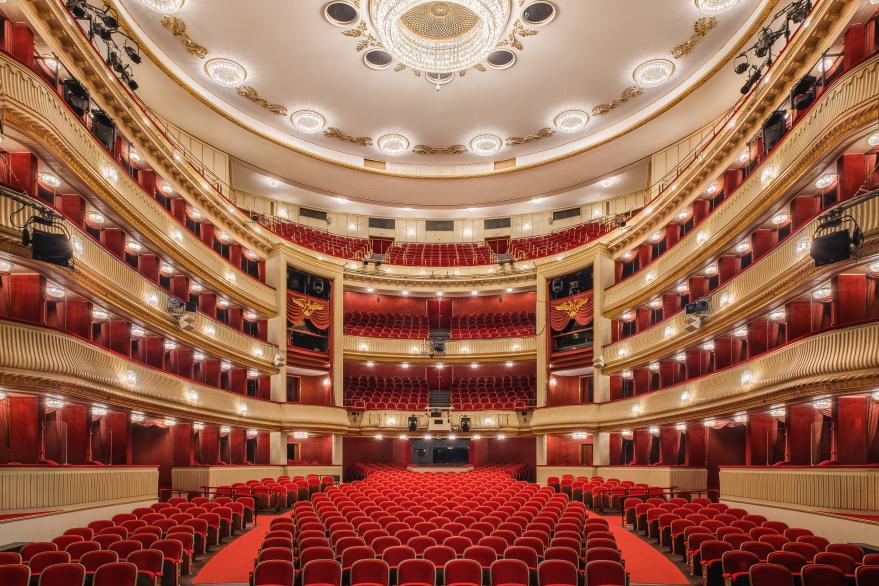
The Burgtheater, founded in 1741, is Austria’s national theater and one of the most respected stages in the world. Known as the “German National Theater,” it has hosted legendary productions of Goethe, Schiller, and Kleist. The building itself is a masterpiece of neo-Baroque architecture, adorned with intricate frescoes and sculptures.
Beyond its grandeur, the Burgtheater is famous for its role in shaping German-language theater. Many of Europe’s greatest actors and playwrights have worked here, making it a hub of dramatic excellence that continues to influence modern productions.
3. Volksoper Vienna
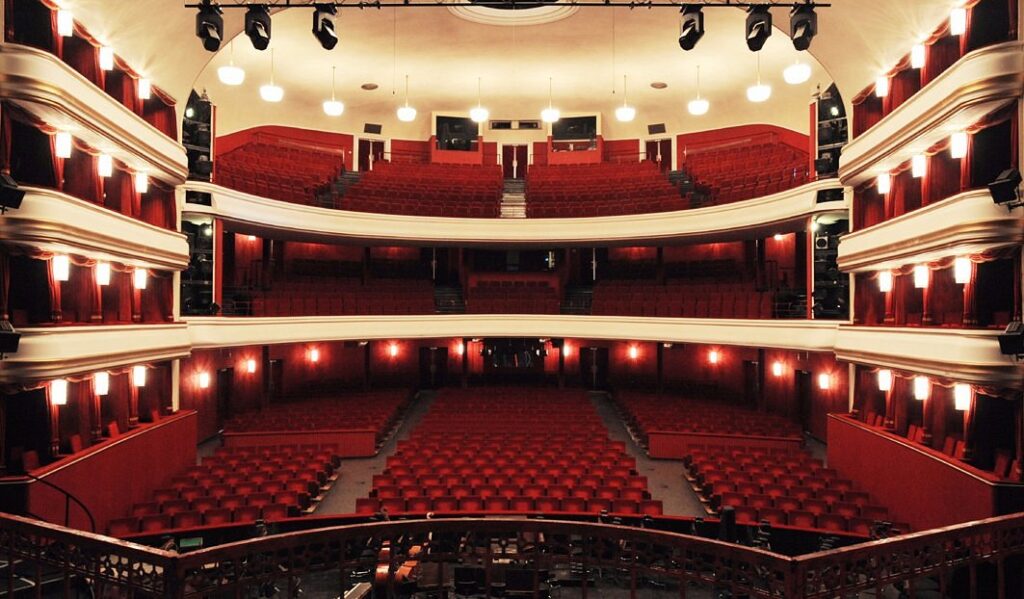
The Volksoper Vienna provides a more relaxed yet equally compelling alternative to the State Opera. It specializes in operettas, musicals, and light-hearted performances, making it a favorite among families and newcomers to opera. Productions often include works by Johann Strauss, Franz Lehár, and Gilbert & Sullivan, offering a joyful entry point into Vienna’s operatic world.
Its accessibility and lighter repertoire make it one of the most beloved cultural institutions in the city, ideal for visitors who prefer an evening of charm and humor over dramatic intensity.
4. Theater an der Wien
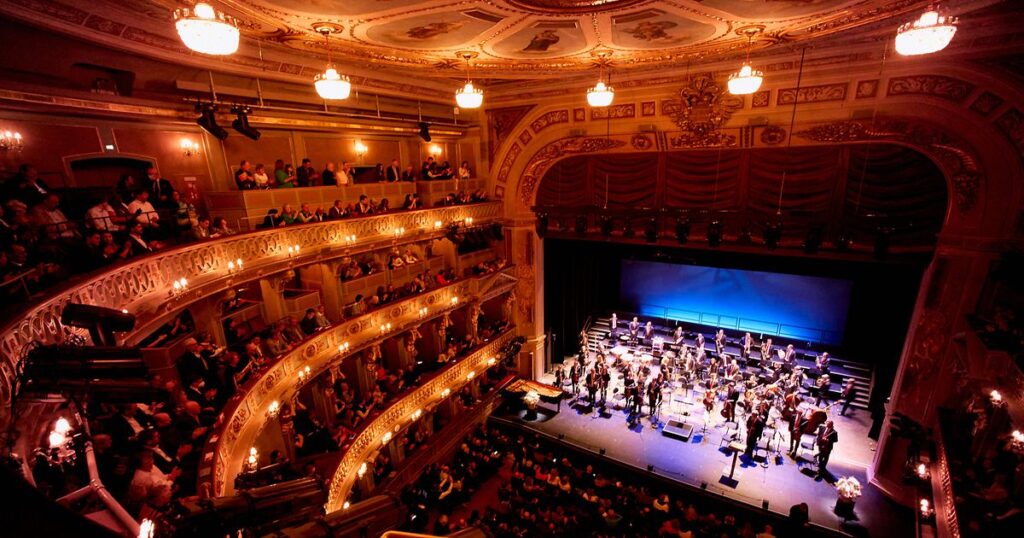
Another iconic venue is the Theater an der Wien, where Beethoven premiered Fidelio. Known for its bold programming, it blends historic operas with avant-garde productions, creating a balance between tradition and innovation.
The venue often collaborates with international artists, ensuring that its performances remain fresh and relevant while maintaining Vienna’s strong connection to classical roots.
Benefits of Experiencing Opera and Theater Shows
Attending opera and theater shows in Vienna is more than just cultural tourism-it provides profound benefits on both personal and societal levels.
-
Cultural Enrichment: Experiencing a live performance in Vienna allows audiences to connect with centuries of artistic tradition, fostering a deeper appreciation of history and human creativity.
-
Emotional Engagement: Opera and theater engage emotions in ways few other art forms can. They combine music, acting, and storytelling to evoke powerful responses, creating lasting memories.
-
Educational Value: Theater and opera expose audiences to different languages, historical contexts, and philosophical ideas. They can challenge perspectives and broaden intellectual horizons.
-
Community Building: Shared experiences in Vienna’s theaters and opera houses bring people together, creating a sense of collective cultural identity that transcends social barriers.
Practical Use Cases of Opera and Theater
Opera and theater shows in Vienna serve multiple practical purposes in real-life scenarios:
-
Tourism Enhancement: For travelers, these shows represent a gateway into Austria’s cultural identity. They elevate ordinary visits into meaningful experiences that blend history with performance.
-
Artistic Inspiration: Many aspiring musicians, actors, and playwrights visit Vienna to draw inspiration from its world-class performances. Witnessing such artistry firsthand can shape careers and creative journeys.
-
Stress Relief and Mental Health: Attending live performances has been shown to reduce stress, increase happiness, and encourage mindfulness, making it a valuable leisure activity.
-
Cultural Diplomacy: Vienna’s theaters and opera houses often serve as cultural bridges, hosting international artists and audiences. This strengthens global relationships through the universal language of art.
Frequently Asked Questions
Q1. What is the best time of year to attend opera and theater shows in Vienna?
The main season runs from September to June, when most venues offer full repertoires. July and August are quieter months, though summer festivals may still feature outdoor performances.
Q2. Do I need to understand German to enjoy Vienna’s theater shows?
While many productions are in German, operas often include surtitles in English and other languages. Even without fluency, the music, visuals, and performances convey the essence of the story.
Q3. Are Vienna’s opera and theater shows accessible to budget travelers?
Yes, many venues, including the Vienna State Opera, offer affordable standing tickets, ensuring everyone can experience world-class performances regardless of budget.