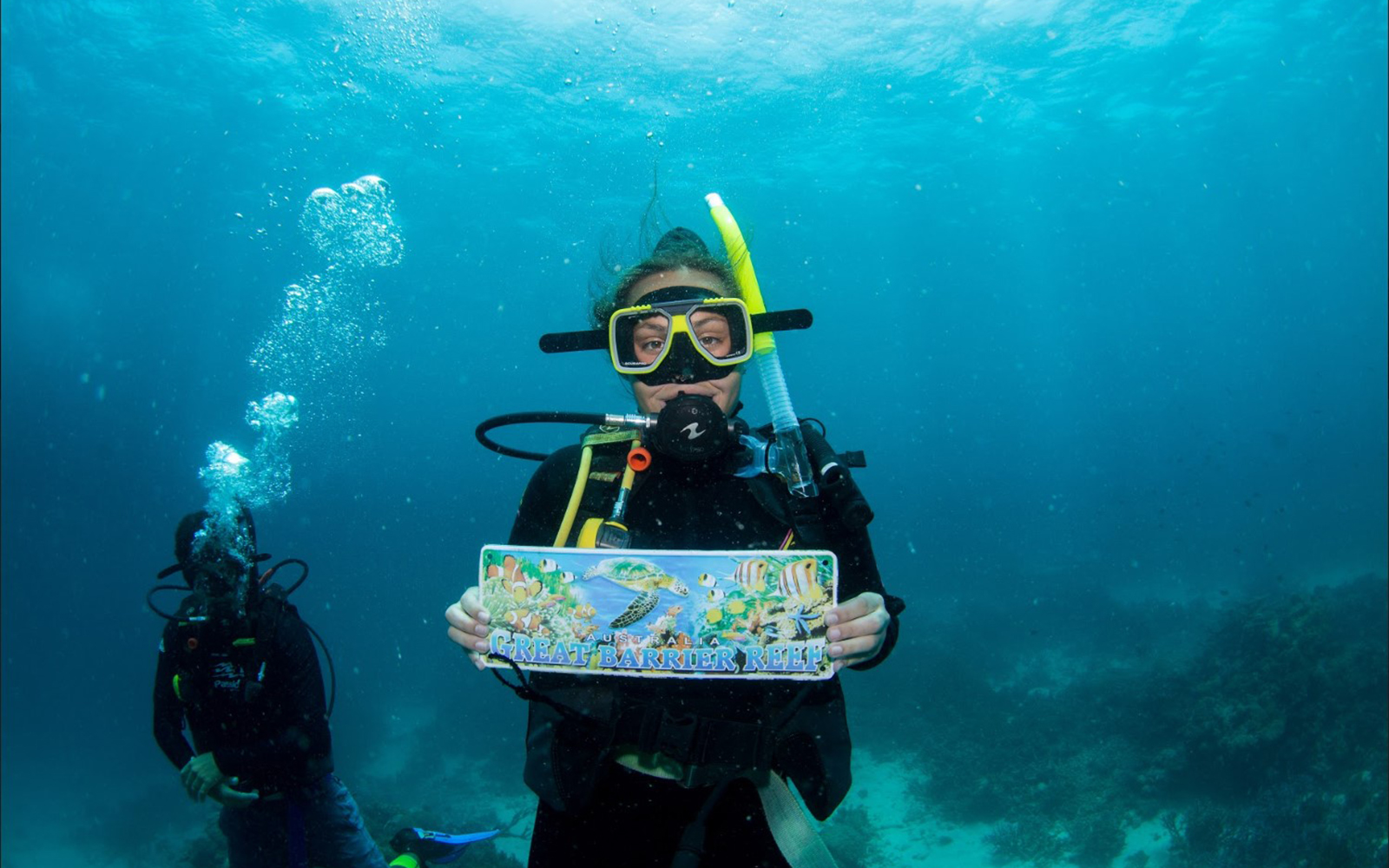
Scuba Diving in Great Barrier Reef An In-Depth Guide
The Great Barrier Reef is one of the most spectacular scuba diving destinations in the world, attracting divers of all levels with its vibrant coral formations, diverse marine species, and breathtaking underwater landscapes. Stretching over 2,300 kilometers along the Queensland coastline in Australia, it is the largest coral reef system on Earth and a UNESCO World Heritage site.
This guide explores everything you need to know about scuba diving in the Great Barrier Reef, including dive sites, marine biodiversity, real-world diving gear examples, practical benefits, and use cases for divers.
Why the Great Barrier Reef is a World-Class Diving Destination
The Great Barrier Reef offers a unique combination of size, biodiversity, and accessibility. With over 2,900 individual reefs and 900 islands, it provides countless diving opportunities ranging from shallow coral gardens to deep drop-offs teeming with marine life.
Divers can experience more than 1,500 species of fish, 400 types of coral, and fascinating marine creatures like sea turtles, manta rays, reef sharks, and even migrating whales during the season. This makes it a living laboratory of biodiversity and an unmatched destination for underwater exploration.
Best Dive Sites in the Great Barrier Reef
Cod Hole
One of the most famous dive sites in the Great Barrier Reef is Cod Hole, known for its resident potato cod. These large, gentle fish are remarkably friendly, often swimming right up to divers. The site also features healthy coral walls and schools of colorful reef fish, making it ideal for underwater photography.
Divers can enjoy relatively calm conditions at Cod Hole, which makes it accessible to both beginners and experienced divers. The interaction with these giant cod is a once-in-a-lifetime experience that demonstrates the reef’s unique balance of marine life.
Ribbon Reefs
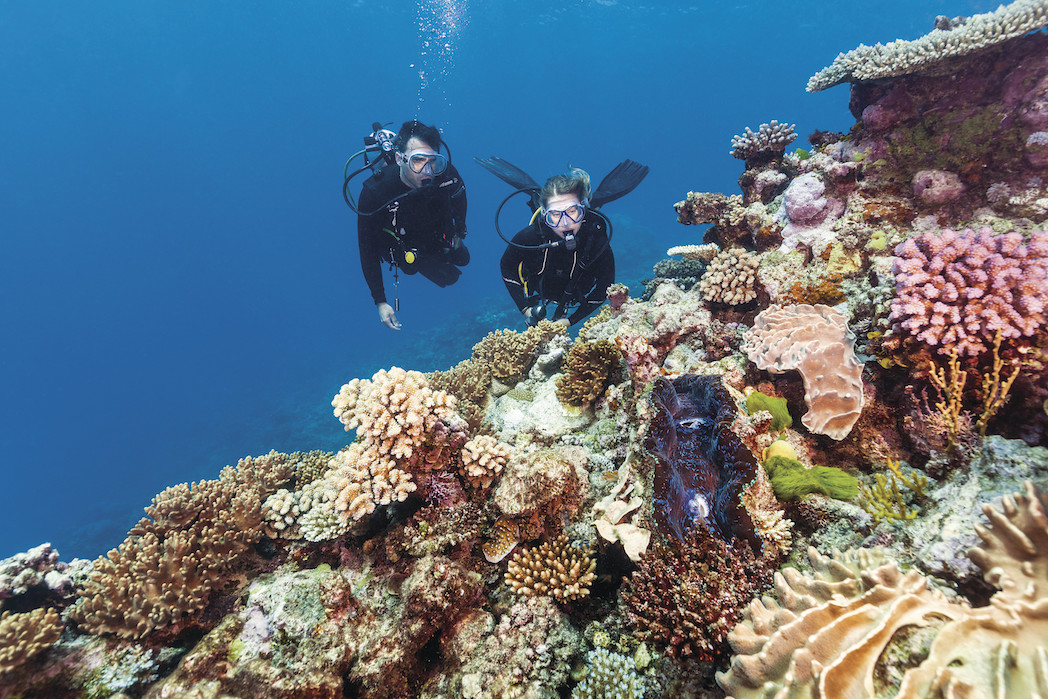
The Ribbon Reefs are a series of long, narrow reefs north of Cairns, offering some of the clearest waters in the Great Barrier Reef. These sites provide excellent visibility, often exceeding 30 meters, and showcase soft corals, clownfish, and reef sharks.
Ribbon Reefs are also home to species like giant clams and anemonefish, giving divers the chance to observe intricate ecosystems up close. Many liveaboard trips focus on this area because of its remote location and pristine diving conditions.
Osprey Reef
Located further offshore in the Coral Sea, Osprey Reef is a bucket-list dive site for advanced divers. Known for dramatic wall dives, pelagic encounters, and shark feeds, Osprey offers an adrenaline-filled adventure. Divers often encounter grey reef sharks, hammerheads, and barracudas.
This site showcases the contrast between shallow coral lagoons and deep ocean drop-offs, highlighting the reef’s diversity. Osprey Reef is an excellent choice for those seeking big-animal encounters and technical diving opportunities.
Essential Gear for Diving the Great Barrier Reef
Diving in the Great Barrier Reef requires proper equipment to ensure safety, comfort, and the best possible underwater experience. Below are real-world examples of scuba gear commonly used in the reef, with explanations of their relevance.
1. Scubapro Hydros Pro BCD
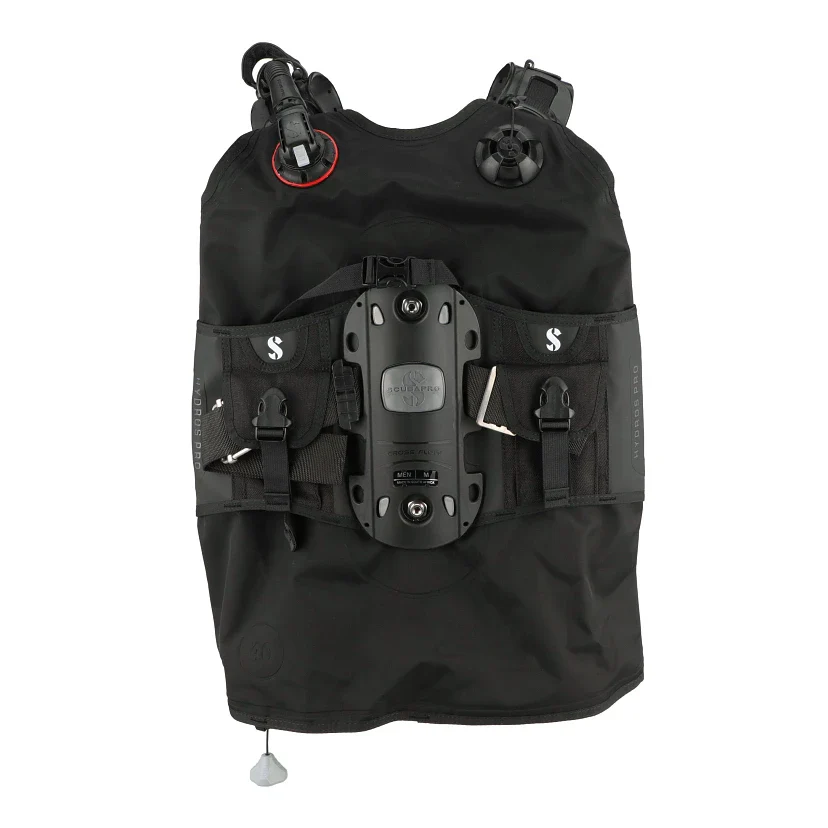
This buoyancy control device (BCD) is favored by many divers exploring the Great Barrier Reef because of its lightweight, modular design and excellent stability underwater. Its quick-drying materials make it ideal for liveaboard trips where gear is frequently reused.
The Hydros Pro allows divers to maintain perfect buoyancy in the reef’s varying conditions, helping them glide effortlessly without damaging fragile corals. Its comfort and adaptability are especially important during long days of diving.
2. Suunto D5 Dive Computer
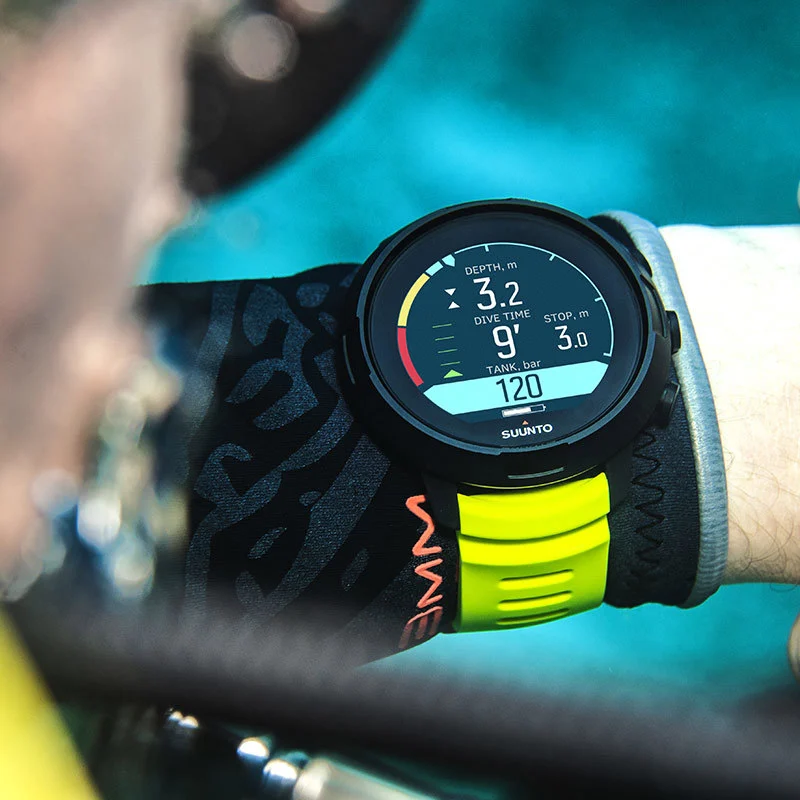
A reliable dive computer is essential for tracking depth, time, and decompression limits. The Suunto D5 is popular among Great Barrier Reef divers for its intuitive interface, bright display, and Bluetooth connectivity.
This device helps divers monitor their nitrogen levels, ensuring safety during multiple dives in a single day. In the reef environment, where dive depths can vary significantly, a computer like the Suunto D5 provides peace of mind and accurate data logging.
3. Aqualung Legend LX Regulator
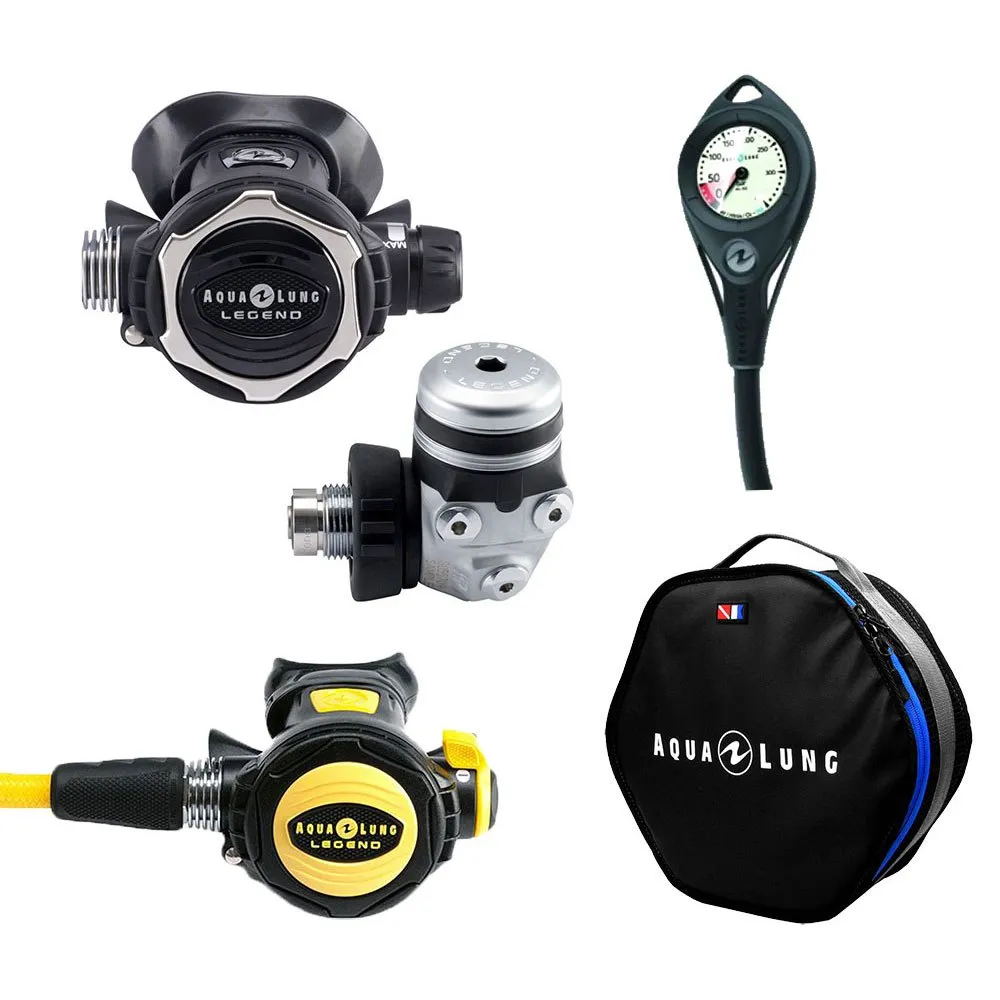
High-quality regulators are vital for breathing comfort at depth. The Aqualung Legend LX is engineered to perform well even in challenging underwater conditions, delivering smooth airflow and reliability.
This regulator is particularly beneficial for reef dives, where currents and varying depths can affect breathing effort. Its ergonomic design reduces diver fatigue, allowing for longer and more enjoyable underwater explorations.
Benefits of Scuba Diving in the Great Barrier Reef
Scuba diving in the Great Barrier Reef is more than just an adventure—it offers tangible physical, emotional, and environmental benefits.
Physical and Mental Wellness
Diving is a low-impact activity that improves cardiovascular fitness, strengthens muscles, and enhances breathing control. The calming effect of being underwater also reduces stress levels and promotes mental clarity. For many divers, the reef provides a therapeutic escape from the pressures of daily life.
Connection with Nature
The reef’s biodiversity fosters a profound sense of connection to the natural world. Observing coral polyps, schooling fish, and majestic turtles in their natural habitat can inspire awe and a deeper appreciation for marine conservation. This immersive experience often encourages divers to support reef protection initiatives.
Adventure and Exploration
For travelers, scuba diving in the Great Barrier Reef adds an element of adventure and exploration to their trip. Each dive is different, revealing new marine life and geological formations. Whether it’s drifting along coral walls or encountering a manta ray, divers experience unforgettable moments that create lifelong memories.
Real-Life Use Cases of Diving in the Great Barrier Reef
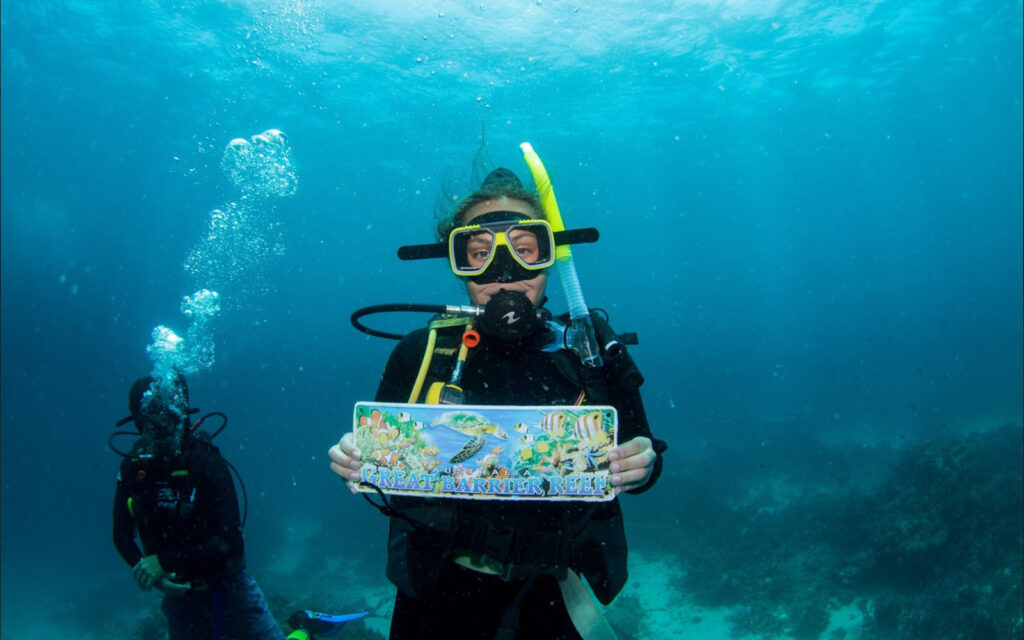
Marine Conservation and Research
Many divers visit the reef as part of citizen science projects, contributing to coral health monitoring and fish population surveys. These activities help scientists track changes in the reef’s ecosystem and develop conservation strategies.
Underwater Photography and Videography
Professional and hobbyist photographers alike flock to the reef to capture its vibrant marine life. With clear waters and abundant subjects, the reef provides an ideal setting for underwater photography, supporting creative industries and scientific documentation.
Adventure Tourism
The Great Barrier Reef supports a thriving tourism industry, with liveaboards, day trips, and dive schools catering to visitors worldwide. For many tourists, diving the reef is a bucket-list experience that enriches their travel journey and provides a strong economic boost to the region.
Frequently Asked Questions
Q1. Do I need to be an experienced diver to explore the Great Barrier Reef?
No, the reef has dive sites suitable for all levels, including beginners. Many operators offer introductory dives with instructors, as well as advanced dives for certified divers.
Q2. What is the best time of year for scuba diving in the Great Barrier Reef?
The reef can be dived year-round, but the best conditions are generally from June to November when visibility is highest, water temperatures are comfortable, and marine activity is abundant.
Q3. Is scuba diving in the Great Barrier Reef safe?
Yes, when conducted with reputable operators and proper safety equipment, diving in the reef is considered safe. The use of dive computers, quality gear, and trained guides ensures a secure and enjoyable experience.