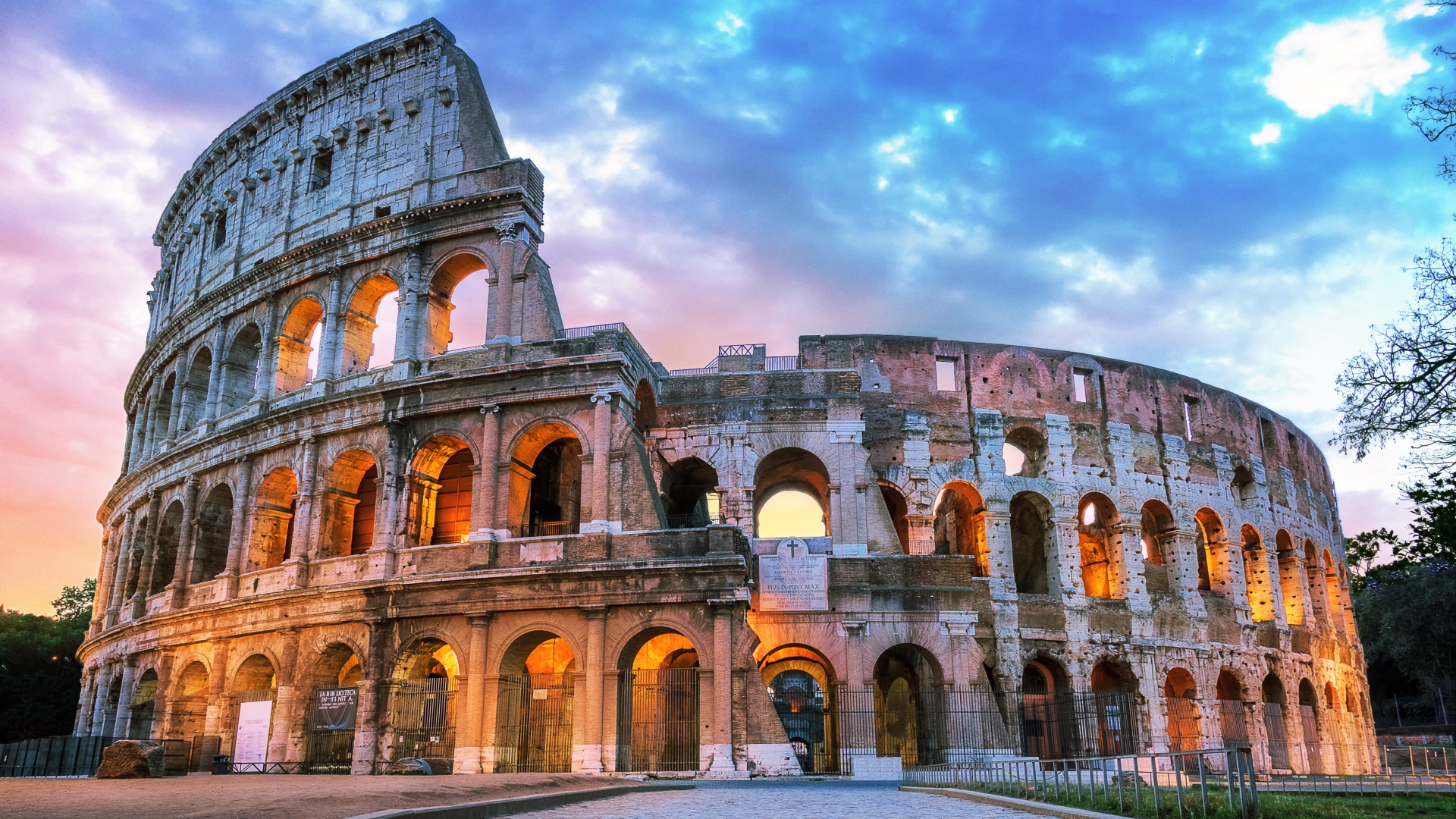
Top Historical Landmarks Around the World Timeless Icons of Culture and Heritage
Throughout human history, civilizations have left behind remarkable structures that continue to inspire awe and curiosity. From grand architectural feats to sacred monuments, historical landmarks serve as windows into the past, offering insight into cultures, beliefs, and events that shaped humanity. Exploring these landmarks not only enriches our knowledge of history but also connects us with a shared human heritage that transcends time.
In this article, we will uncover the top historical landmarks around the world, examine their historical importance, and explore how modern technology plays a role in preserving and experiencing these timeless icons.
The Significance of Historical Landmarks
Historical landmarks hold more than just architectural beauty; they represent the identity of entire civilizations. They are reminders of past triumphs, struggles, and cultural evolution. Visiting them allows travelers and historians alike to immerse themselves in stories etched into stone, metal, and landscape.
Beyond their cultural importance, these landmarks contribute to national pride, tourism, and education. They stand as testaments to human creativity and resilience-proof that societies long gone still leave an enduring impact on modern life.
The Great Wall of China – A Monument of Protection and Persistence

The Great Wall of China is perhaps the most recognizable historical landmark in Asia. Stretching over 13,000 miles, it was originally constructed as a defense system to protect the Chinese states from invasions. Built and rebuilt across several dynasties, the wall reflects the determination of ancient Chinese society to safeguard its culture and people.
Its historical importance lies not just in its military purpose, but also in its role as a cultural symbol. The Wall became a unifying project that brought together vast regions of China. Today, it stands as a reminder of human endurance, innovation in ancient engineering, and the collective spirit of a civilization that valued protection and sovereignty.
The Pyramids of Giza – Eternal Symbols of Ancient Egypt
The Pyramids of Giza are among the most iconic historical landmarks in the world. Built as tombs for the pharaohs, these massive structures date back more than 4,500 years. The Great Pyramid, constructed for Pharaoh Khufu, was once the tallest man-made structure in the world and continues to puzzle researchers with its precision and scale.
Their significance extends beyond their architectural brilliance. The pyramids represent the spiritual and cultural values of ancient Egypt, showcasing the civilization’s belief in the afterlife and its mastery of engineering. For centuries, they have inspired both historians and travelers to unlock the mysteries of one of humanity’s earliest and most advanced societies.
The Colosseum in Rome – The Arena of History
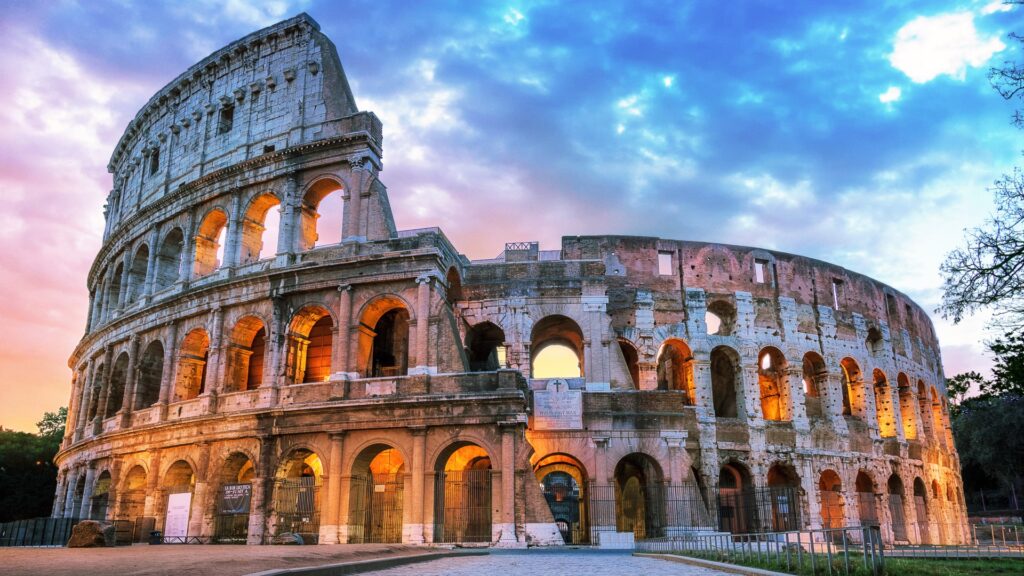
The Colosseum, located in Rome, Italy, is a symbol of the grandeur of the Roman Empire. Completed in 80 AD, this amphitheater could hold up to 50,000 spectators and hosted gladiatorial contests, dramas, and public spectacles. Its design remains a marvel of architecture, with a complex system of arches, underground tunnels, and seating arrangements.
The Colosseum represents the cultural and political life of Rome, reflecting how entertainment was used to maintain public unity. Despite centuries of natural disasters and human activity, the Colosseum still stands as a living reminder of Rome’s influence on modern law, governance, and culture.
Machu Picchu – The Hidden City of the Incas
Perched high in the Andes Mountains of Peru, Machu Picchu is an ancient Incan city built in the 15th century. Its terraces, temples, and intricate stonework demonstrate the ingenuity of Incan engineering and their harmonious relationship with nature. The site was abandoned during the Spanish conquest and remained hidden until rediscovered in the early 20th century.
Machu Picchu’s historical importance is tied to its spiritual and agricultural roles. It served as a sacred site, a political hub, and a testament to the Incas’ mastery of sustainable living in difficult environments. Today, it remains one of the most visited landmarks in South America and a symbol of indigenous resilience.
The Taj Mahal – A Monument of Love and Legacy

Located in Agra, India, the Taj Mahal is one of the most celebrated landmarks in the world. Built in the 17th century by Mughal Emperor Shah Jahan as a mausoleum for his wife Mumtaz Mahal, this white marble masterpiece represents eternal love and devotion. Its intricate design combines Persian, Islamic, and Indian architectural influences.
Beyond its romantic symbolism, the Taj Mahal is a reflection of the Mughal Empire’s cultural and artistic achievements. It stands as an enduring legacy of architectural innovation and continues to draw millions of visitors who marvel at its beauty and historical significance.
Benefits of Technology in Preserving Historical Landmarks
Technology has revolutionized how we preserve and interact with historical landmarks. Advanced methods such as 3D scanning, virtual reality, and AI-based monitoring help ensure these treasures are protected for future generations.
For example, 3D modeling allows experts to digitally reconstruct and study landmarks without causing damage to the original structures. Drones are used to monitor wear and erosion, while VR platforms bring immersive landmark experiences to those who cannot travel. These innovations not only safeguard heritage but also make it more accessible to people worldwide.
Real-World Use Cases and Examples
Digital Reconstruction of the Colosseum
Researchers have used 3D scanning and virtual reality to digitally reconstruct the Colosseum. This allows people to experience the grandeur of the amphitheater as it was in ancient times, providing a more vivid understanding of Roman culture and history.
Google Arts & Culture Virtual Tours
Google Arts & Culture offers interactive tours of landmarks such as the Taj Mahal and Machu Picchu. These tours allow global audiences to virtually explore heritage sites in detail, democratizing access to cultural education.
Preservation Projects by UNESCO
UNESCO uses modern technologies like satellite monitoring to track changes and threats to landmarks such as the Great Wall and the Pyramids of Giza. These efforts ensure preservation strategies are data-driven and effective.
Practical Use and Advantages of Historical Landmarks
Historical landmarks provide multiple benefits to society.
On a personal level, visiting historical landmarks offers reflection and inspiration. Standing before a structure that has witnessed centuries of change can spark curiosity, humility, and a deeper appreciation for human creativity.
FAQs
Q1. What makes a landmark “historical”?
A landmark is considered historical when it has significant cultural, architectural, or historical value that reflects the heritage of a civilization or period.
Q2. How does technology help protect landmarks?
Technology aids preservation through tools like 3D scanning, drones, and satellite monitoring. These methods help detect structural weaknesses, monitor environmental impacts, and create digital backups for study.
Q3. Why are historical landmarks important today?
They connect us to the past, enrich cultural identity, and serve as educational tools. They also promote tourism, inspire creativity, and remind us of humanity’s shared heritage.