Traditional Markets History, Cultural Importance, and Modern Relevance
Traditional markets have been the heartbeat of communities for centuries. More than just places of commerce, they are spaces of social interaction, cultural preservation, and economic sustainability. While supermarkets and e-commerce have transformed shopping habits, traditional markets remain highly relevant in both urban and rural areas, offering authenticity and a direct connection between buyers and sellers.
In this article, we will explore the origins of traditional markets, their cultural importance, real-world examples, benefits in modern times, and how technology is reshaping their role in today’s society.
The Origins and History of Traditional Markets
Traditional markets date back to ancient civilizations when trade was the primary form of survival. Markets developed in central locations where farmers, artisans, and traders gathered to exchange goods, services, and ideas.
Over centuries, they became more than trading hubs. They turned into centers of cultural exchange, where traditions, languages, and culinary practices spread across regions. From the bustling bazaars of the Middle East to the open-air markets of Asia and Europe, these marketplaces became a foundation for social and economic growth.
Cultural Importance of Traditional Markets
Traditional markets are deeply tied to local culture. They reflect the food habits, clothing styles, and artistic expressions of a region. Walking through a traditional market allows visitors to experience a community’s heritage firsthand.
They are also an educational space where knowledge is passed down. Farmers and artisans often share the history behind their products, ensuring that local traditions and techniques continue to thrive across generations.
Real-World Examples of Traditional Markets
1. Grand Bazaar, Istanbul
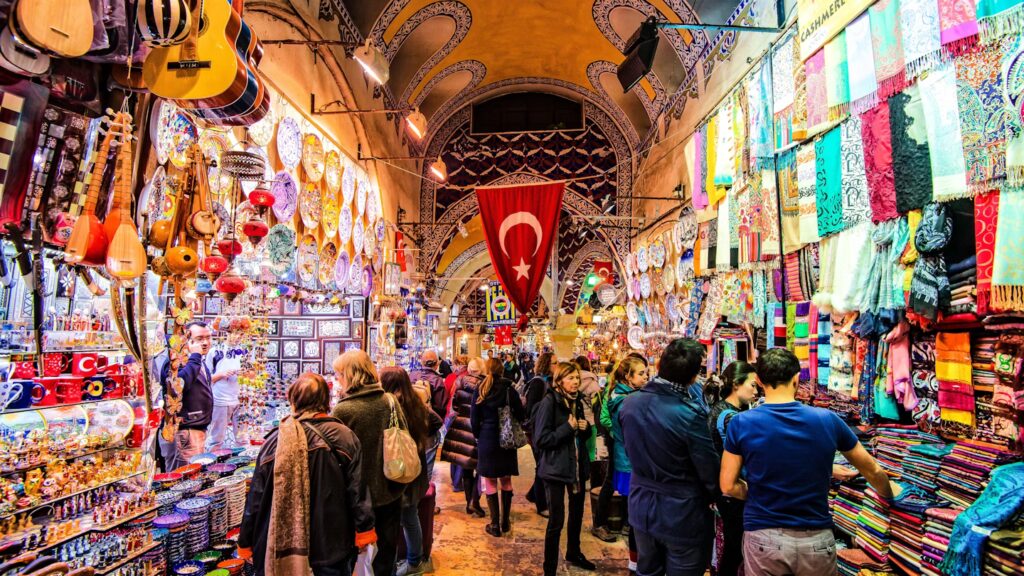
One of the oldest and largest covered markets in the world, the Grand Bazaar in Istanbul showcases the grandeur of traditional markets. With more than 4,000 shops, it reflects centuries of trade, offering carpets, spices, jewelry, and ceramics. It is a symbol of how markets serve not just as trade hubs but as cultural landmarks. Visitors don’t just shop-they immerse themselves in Turkish heritage.
2. Tsukiji Outer Market, Tokyo
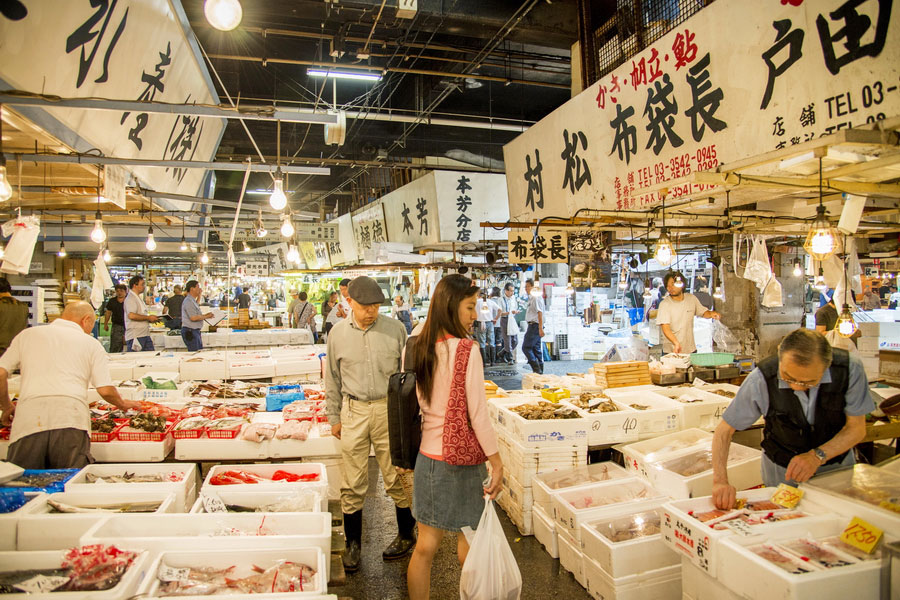
Known for its seafood and fresh produce, Tsukiji Outer Market is one of Tokyo’s most famous traditional markets. Beyond the shopping experience, it offers insights into Japan’s culinary traditions. Local vendors prepare dishes that highlight Japanese food culture, from sushi to seasonal street snacks. The market continues to attract both locals and international tourists seeking authentic experiences.
3. Chatuchak Weekend Market, Bangkok
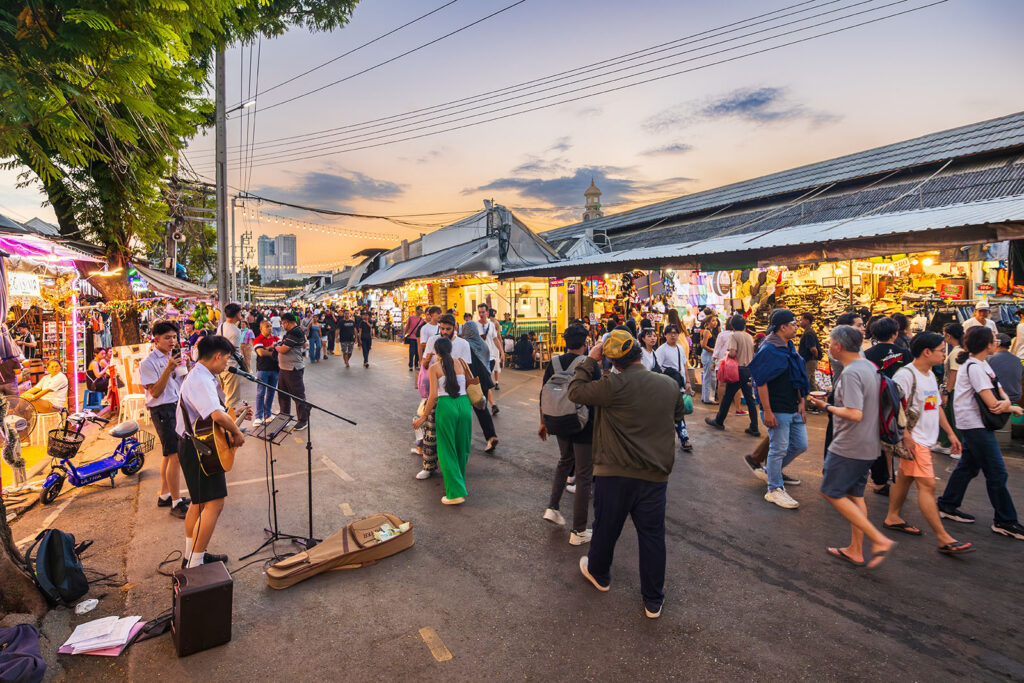
This sprawling market is a perfect representation of Southeast Asia’s vibrant trade culture. With thousands of stalls selling clothing, handicrafts, antiques, and food, Chatuchak is not just a market but an ecosystem. It supports small entrepreneurs, fosters creativity, and gives visitors a glimpse into Thailand’s cultural identity.
4. La Boqueria, Barcelona
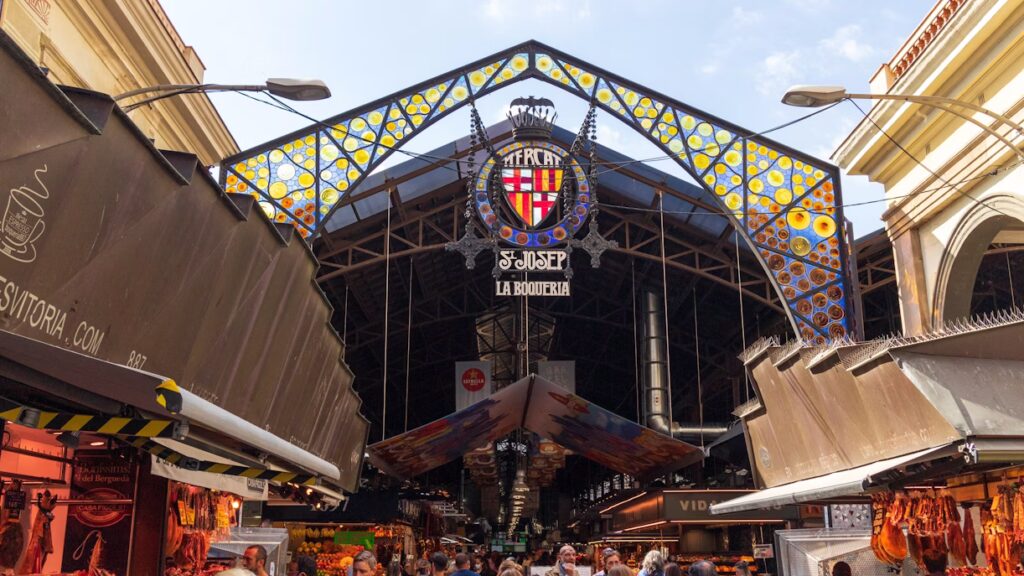
Located on La Rambla, La Boqueria is one of Europe’s most iconic traditional markets. It combines history with gastronomy, offering local delicacies like Iberian ham, cheeses, and seafood. The market has evolved over centuries, yet it continues to serve as a cultural hub for Barcelona’s residents and tourists.
Benefits of Traditional Markets in Modern Society
Despite the rise of supermarkets and online shopping, traditional markets continue to offer unique benefits.
-
Economic Support for Small Businesses
Markets provide a platform for local farmers, artisans, and small-scale traders to thrive. Unlike large retail chains, profits go directly to the sellers, ensuring more equitable economic growth. -
Cultural Preservation
By supporting traditional markets, communities preserve local crafts, foods, and practices that might otherwise disappear in modern consumer culture. -
Sustainability
Traditional markets often promote eco-friendly practices. Products are usually locally sourced and sold with minimal packaging, reducing environmental impact. -
Community Building
Markets foster direct relationships between buyers and sellers. This interaction strengthens social bonds and creates a sense of belonging that modern retail lacks.
How Technology is Transforming Traditional Markets
While rooted in history, traditional markets are evolving with the help of modern technology.
Digital payment systems, online promotion, and logistics platforms now enable vendors to expand their reach while maintaining authenticity. For instance, mobile payment apps make transactions more convenient for both tourists and locals. Social media platforms allow small vendors to showcase their products and attract new customers.
Technology does not replace the physical charm of markets but complements them, ensuring that they remain relevant in a fast-paced digital economy.
Practical Use Cases of Traditional Markets
-
Problem: Limited access to fresh produce in cities
Solution: Traditional markets supply seasonal and fresh food directly from farmers, reducing the reliance on imported goods. -
Problem: Cultural erosion in modern retail environments
Solution: Markets preserve heritage by offering products that embody local culture and traditions. -
Problem: Lack of community spaces
Solution: Traditional markets double as social spaces where people gather, exchange stories, and strengthen bonds. -
Problem: Environmental concerns from over-packaging
Solution: Many traditional markets naturally reduce waste through bulk buying and eco-friendly practices.
Frequently Asked Questions
Q1. Why are traditional markets still relevant today?
Traditional markets remain relevant because they provide fresh, locally sourced goods, support small businesses, and act as cultural and social hubs. They offer experiences that supermarkets and e-commerce cannot replicate.
Q2. How do traditional markets differ from supermarkets?
Unlike supermarkets, traditional markets emphasize direct relationships between buyers and sellers. They often carry unique, handmade, or seasonal products, and prices can be negotiated, making the experience more personal.
Q3. Can technology and traditional markets work together?
Yes. Technology enhances the efficiency of traditional markets by offering tools for payment, promotion, and logistics. However, it does not replace the authentic, face-to-face interactions that define these marketplaces.