Wildlife Safari Tours South Africa Ultimate Guide to Big Five Adventures and Experiences
South Africa is a dream destination for wildlife lovers. Known for its breathtaking landscapes and unparalleled biodiversity, the country offers some of the best safari experiences in the world. From spotting the legendary Big Five to exploring private reserves and national parks, wildlife safari tours in South Africa immerse travelers in the heart of untamed nature.
This guide dives deep into the history, experiences, and benefits of safaris in South Africa, while highlighting iconic destinations and modern technologies that enhance the adventure.
The Allure of South African Safaris
Wildlife safari tours in South Africa have gained global recognition due to the country’s diverse ecosystems. From the savannahs of Kruger National Park to the coastal wetlands of iSimangaliso, every region offers a unique perspective of Africa’s wildlife.
South African safaris are not just about game viewing; they represent a journey into the natural world. Travelers experience the rhythm of nature, observing predator-prey interactions, migratory bird flocks, and herds of elephants moving through ancient landscapes. Each moment on safari reflects the raw beauty of the wilderness.
Understanding the Big Five
The term “Big Five” refers to lion, leopard, rhinoceros, elephant, and buffalo. These animals were once considered the most difficult to hunt on foot, but today they represent the ultimate photographic trophy for safari-goers.
South Africa is one of the few countries where visitors can reliably encounter all five species in their natural habitats. The thrill of spotting a lion pride at dusk, or witnessing a solitary leopard stalking prey, is a once-in-a-lifetime experience that draws travelers from around the globe.
Safety and Ethics of Wildlife Safaris
Wildlife safari tours in South Africa are guided by strict safety and conservation standards. Professional rangers accompany tourists, ensuring both safety and responsible interaction with wildlife.
Ethical safari practices emphasize non-invasive observation. Unlike staged encounters, true safari experiences respect the natural behavior of animals. Conservation fees collected from park entries also support anti-poaching initiatives, habitat protection, and local community development.
Benefits of Using Technology in Safari Tours
Modern technology has transformed the safari experience in South Africa, making it more engaging, safer, and educational.
Wildlife Tracking Apps and GPS
Rangers now use real-time tracking systems to monitor animal movements. This allows safari vehicles to approach wildlife responsibly without disturbing natural behavior. Guests benefit from better chances of seeing elusive species like leopards.
Photography and Drones
Advanced cameras and stabilized lenses enable breathtaking wildlife photography. In select private reserves, drones are used by researchers to study animal behavior, though they are not typically allowed for tourists to prevent stress to animals.
Sustainable Safari Vehicles
Electric and hybrid safari vehicles are becoming more common, reducing noise pollution and emissions. This allows closer encounters with wildlife, as animals are less disturbed by engine sounds.
By embracing these technologies, safari tours in South Africa provide not only excitement but also long-term benefits for conservation and education.
Iconic Wildlife Safari Experiences in South Africa
1. Kruger National Park
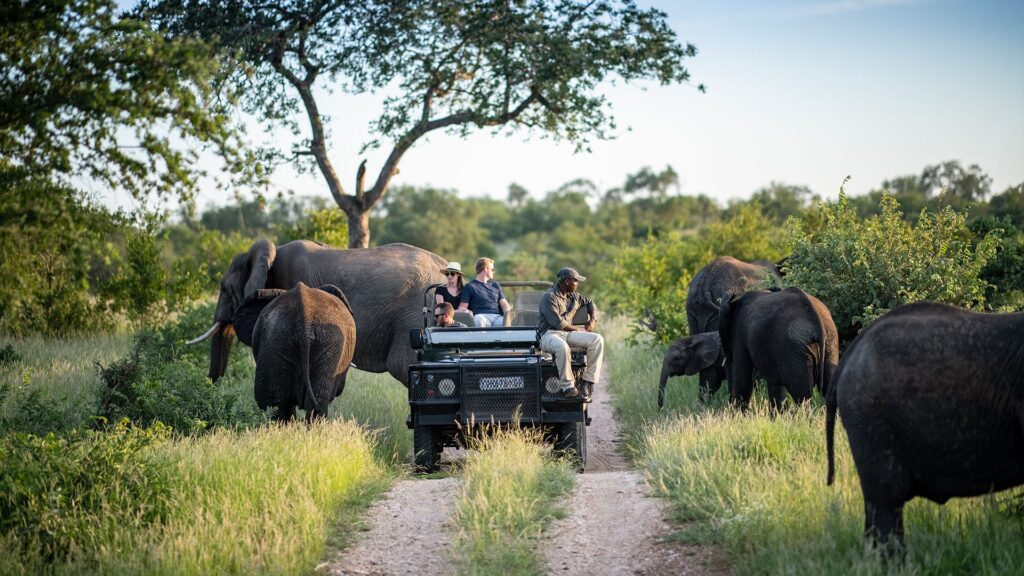
Kruger is South Africa’s most famous safari destination, spanning nearly 20,000 square kilometers. It is home to an unparalleled diversity of wildlife, including the Big Five and more than 500 bird species.
The park offers both self-drive options and guided tours, making it accessible to a wide range of travelers. Guided safaris provide in-depth knowledge from rangers, while self-drives allow visitors to explore at their own pace. Kruger’s reputation as a premier safari park makes it an essential stop for wildlife enthusiasts.
2. Sabi Sands Game Reserve
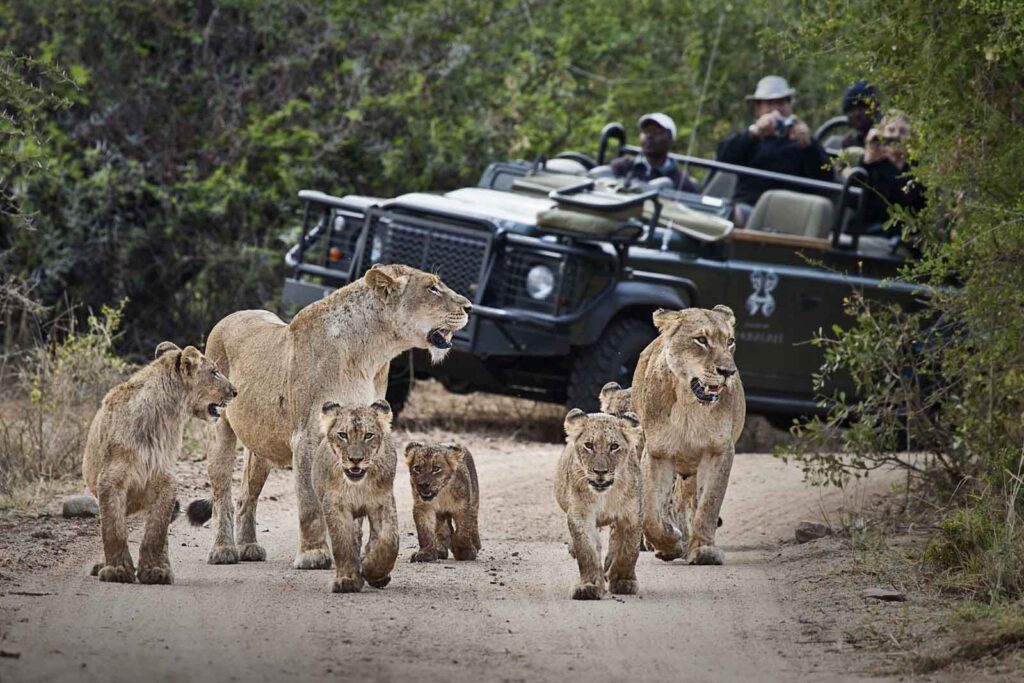
Bordering Kruger, Sabi Sands is a private reserve renowned for its luxurious lodges and exceptional leopard sightings. Unlike national parks, private reserves can offer night drives and off-road safaris, allowing for intimate encounters with wildlife.
The exclusivity of Sabi Sands creates a more personalized experience. Guests often enjoy close-up encounters with big cats, thanks to skilled trackers who can follow animal signs invisible to the untrained eye.
3. Hluhluwe-iMfolozi Park
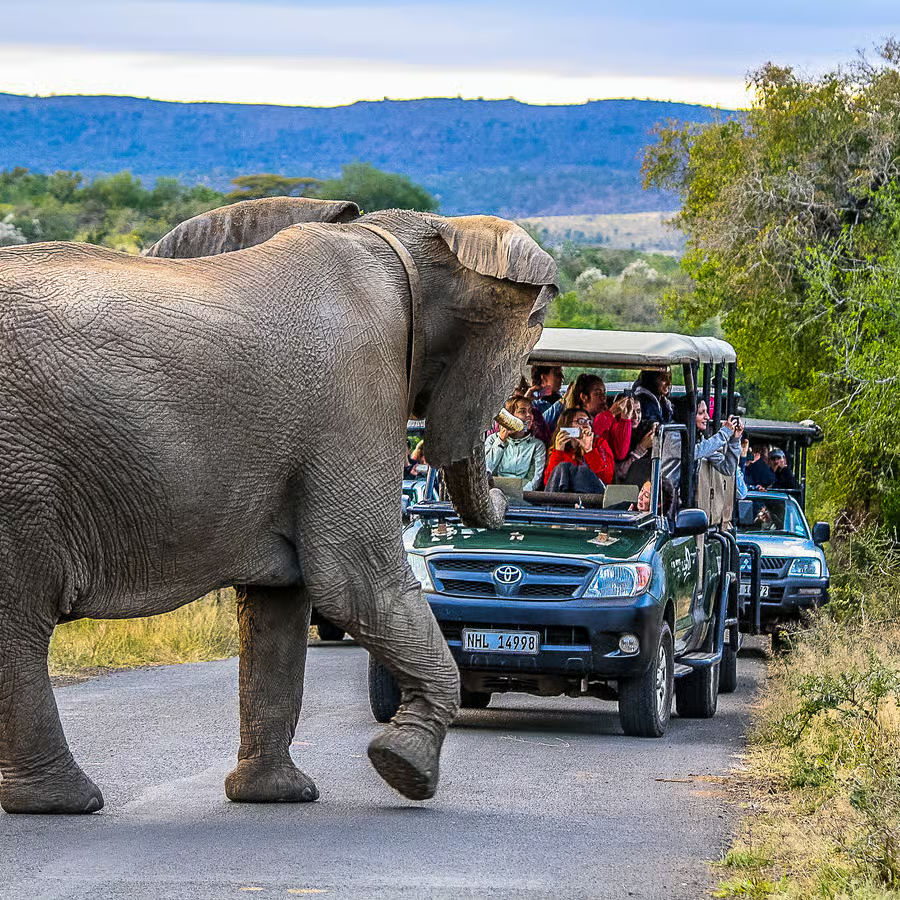
Located in KwaZulu-Natal, Hluhluwe-iMfolozi is the oldest proclaimed nature reserve in Africa. It is particularly famous for its rhino conservation efforts, having saved the white rhinoceros from the brink of extinction.
Visitors here can witness not only the Big Five but also the unique landscapes of rolling hills and river valleys. The park’s historical significance in conservation makes it a meaningful destination for eco-conscious travelers.
4. Addo Elephant National Park
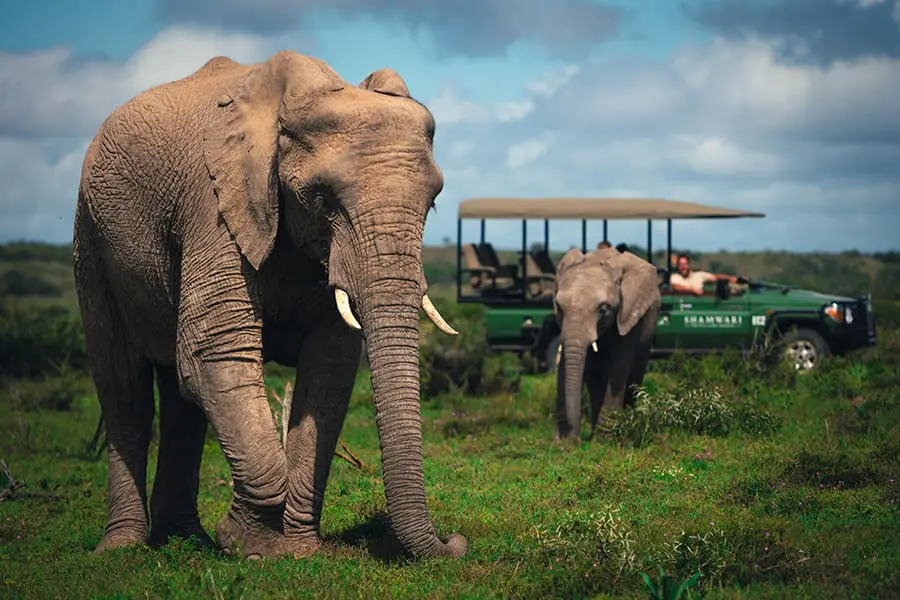
As the name suggests, Addo is a sanctuary for elephants. Located near Port Elizabeth, it is home to over 600 elephants, along with lions, buffalo, and a marine section where great white sharks and whales can be spotted.
What makes Addo unique is its combination of land and marine ecosystems, offering a “Big Seven” experience. This adds a new dimension to wildlife safaris, combining game drives with coastal adventures.
Real-World Use Cases of Safari Tours
Conservation Awareness
Wildlife safaris raise awareness about the threats facing endangered species. By seeing animals in their natural environment, travelers gain a deeper appreciation for conservation efforts.
Cultural Exchange
Many safari tours incorporate local community experiences, such as visiting villages or participating in traditional storytelling. This fosters cross-cultural understanding and supports local economies.
Educational Experiences for Families
Safari tours are ideal for families, offering children firsthand encounters with wildlife. These educational moments create lasting impressions and encourage environmental stewardship in younger generations.
Practical Advantages of Wildlife Safari Tours
-
Immersive Travel Experience: Safaris connect travelers with untouched nature, providing a sense of adventure beyond typical vacations.
-
Support for Conservation: Entrance fees and guided tours directly fund conservation projects and anti-poaching units.
-
Mental and Emotional Benefits: Time in the wilderness promotes relaxation, reduces stress, and provides a sense of awe that urban environments cannot match.
-
Unforgettable Memories: Whether it’s watching elephants bathe in a river or hearing lions roar at night, safari experiences create stories that last a lifetime.
Frequently Asked Questions
Q1. What is the best time to go on a safari in South Africa?
The dry season, from May to September, is generally the best time. Animals gather around water sources, making wildlife viewing more reliable. However, the wet season offers lush landscapes and vibrant birdlife.
Q2. Do I need vaccinations for a safari in South Africa?
Some areas may require malaria precautions. It is advisable to consult with a healthcare professional before traveling. Routine vaccinations should also be up to date.
Q3. Are safari tours suitable for children?
Yes, many lodges and parks welcome families. However, age restrictions may apply to certain game drives for safety reasons. Family-friendly lodges often provide special activities tailored for younger guests.